




During a discussion to loosen perceived restrictions associated with property development within the historic downtown districts, the conversation turned to the leeway that is often extended to individuals who want to embark on renovation work.

Sharing the perspective of the USVI State Historic Preservation Office, Acting Deputy Director Sean Krigger insisted to members of the Senate Committee on Disaster Recovery, Infrastructure and Planning that “the requirements [for] doing work in the historic district [are] not that much more different than building a house anywhere else on St. Thomas, St. John, or St. Croix.”
At the time, Mr. Krigger was responding to a query from Senator Milton Potter, who wondered whether the determining factor for the apparent lack of interest in developing the historic districts was cost or bureaucracy. Those two positions were hotly debated throughout the hearing, with Mr. Krigger, along with Dept. of Planning and Natural Resources Commissioner, Jean Pierre Oriol, confirming that the rising cost of construction was a major hindrance. Senator Kenneth Gittens, however, who proposed legislation to “relax certain restrictions” believed that the red tape and tough requirements of the Historic Preservation Commission were to blame.
Mr. Krigger disagreed. “The Commission has been flexible over the years,” he argued, relying on advancements in construction to simplify the renovation process. The importation of bricks from Denmark, he explained, is now no longer necessary as a local manufacturer “creates Danish-looking bricks, but out of cement.” With the same shape, size, and color as the traditional bricks, “the Commission Board here in St. Thomas/ St.John and St. Croix has allowed those bricks to be used,” Mr. Krigger shared.

Technology too, has facilitated the creation of cement boards that resemble wood siding, the material once preferred by the HPC. These boards, Mr. Krigger explained, “look like shiplap siding, that look like shingles.” The new material, he told the lawmakers, comes with the added benefit of being “fireproof.” Continuing to provide evidence for the Historic Preservation Office’s claim that the HPC requirements are not restrictive, Mr. Krigger went on to illustrate how special allowances are often made.
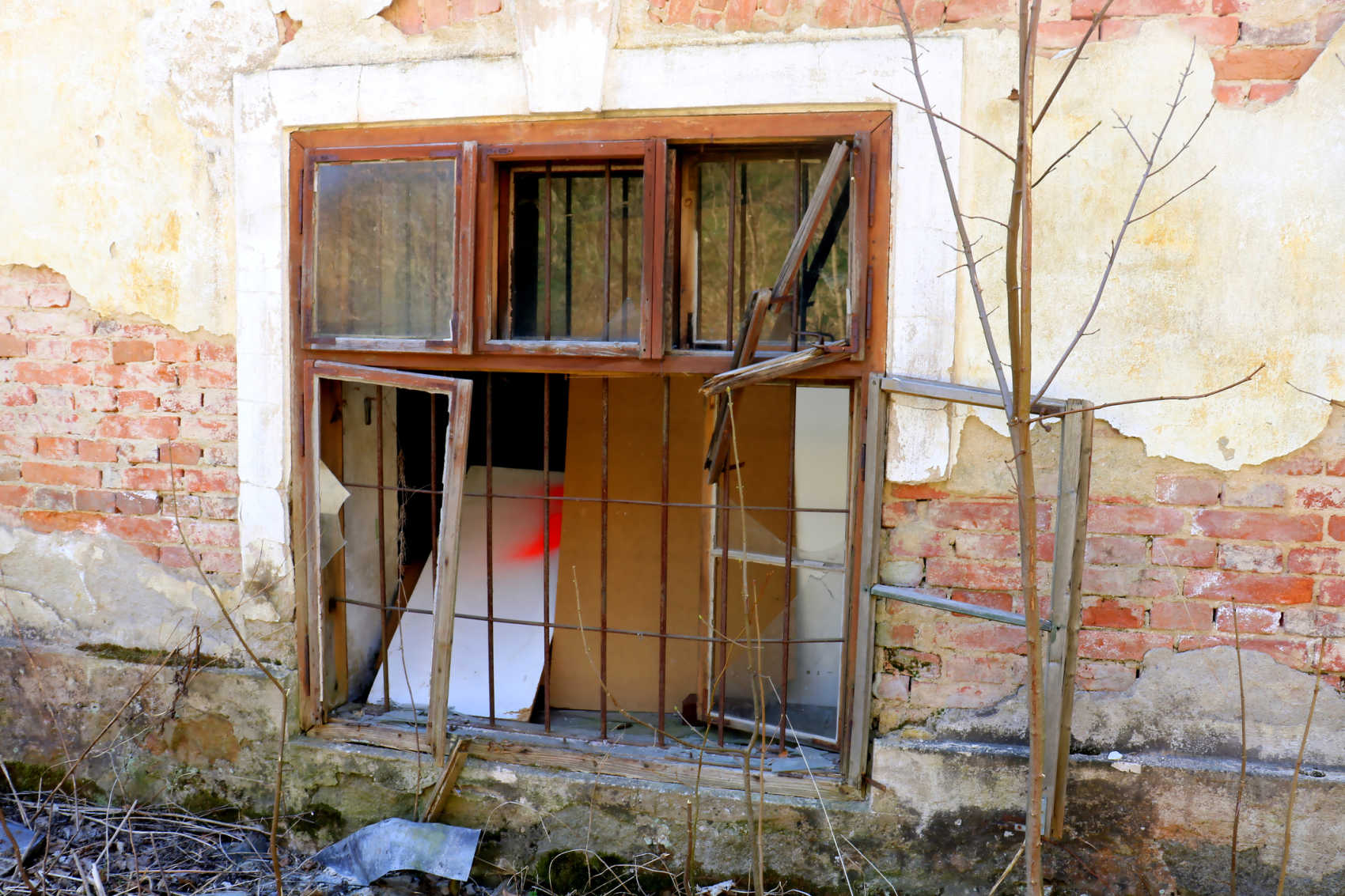
In other cases, some of the historically used materials are still widely available, like “corrugated galvanized sheeting that was available back in the 19th century.” “[It’s] nothing elaborate; nothing of any major expense,” Mr. Krigger insisted. “It's not mandated by the committee that you have to put back slate tiles or clay tiles.” Windows too, are simple, Mr. Krigger noted. Individuals looking to complete rehabilitation work can choose from four materials: wood, aluminum, vinyl, or iron.”
“Our standards go across the spectrum,” he told lawmakers at the time. The HPC has “16 guidelines [that] cover everything from paint color to new additions,” Mr. Krigger noted. He assured that once someone reads through those guidelines, “[they] will see that they're very flexible in their basic guidance.”

At almost every meeting of the Historic Preservation Commission, there is a comment from members bemoaning the public perception of the HPC as inflexible and difficult. Last August, St. Thomas HPC member Enrique Rodriguez noted that almost all applications that came before it during that month’s meeting had been accepted. “We practically are always at that high percentile for approval of everything that comes before us,” he insisted.