





 77°F
77°F


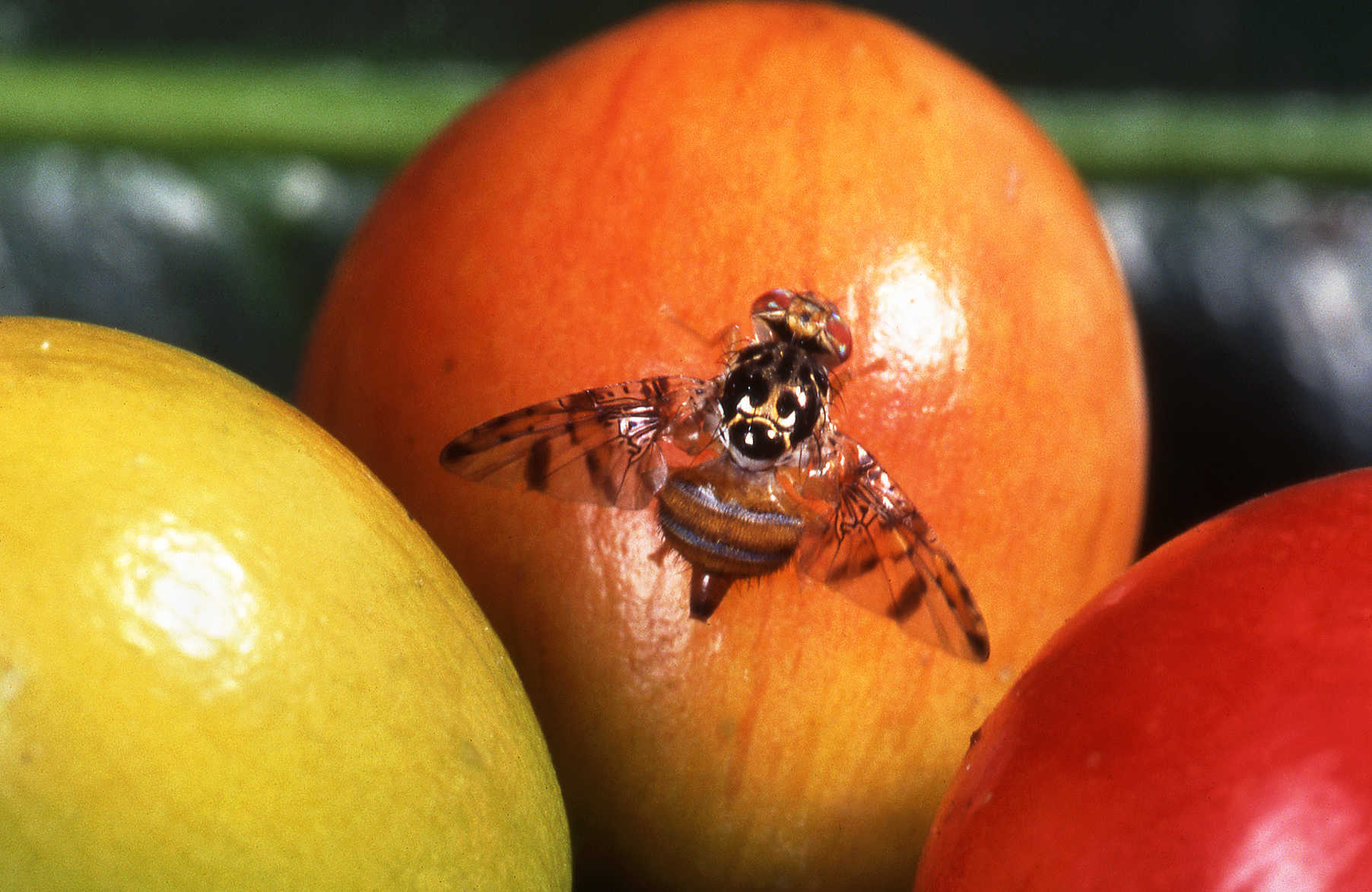
The V.I. Department of Agriculture has declared a phytosanitary emergency and placed all of St. Croix under quarantine following the detection of a growing number of male and female Mediterranean fruit flies, an invasive pest capable of damaging hundreds of varieties of fruits and vegetables.

The quarantine took effect immediately, according to a Department of Agriculture announcement issued Thursday. Residents are being instructed not to move fresh fruits, vegetables or host plants off St. Croix, while travelers returning from international destinations are being reminded to declare all agricultural products to U.S. customs officials. The department said Mediterranean fruit flies have been detected since March 2026 at locations stretching from the Tamarind Reef area on the eastern end of St. Croix to the Princess area in the middle of the island.
The Mediterranean fruit fly, or Medfly, can infest more than 250 species of fruits and vegetables, according to the department. Crops susceptible to the pest include mangoes, guavas, avocados, soursop, sugar apples, breadfruit, genips, papayas, carambola, citrus, bananas, watermelon, peppers and tomatoes — placing a wide range of produce commonly grown on St. Croix at potential risk. Agriculture officials warned that an unchecked population could damage crops, reduce food supplies and hurt farmers and home gardeners.
USDA's Animal and Plant Health Inspection Service describes the Medfly as a particularly damaging agricultural pest that spreads primarily through infested fruits and vegetables. Female flies deposit eggs in host fruit, and the resulting larvae feed on the fruit's flesh, causing it to decay prematurely and often fall from the plant. USDA advises people in fruit-fly quarantine areas to comply closely with restrictions on moving produce because transporting infested fruit is one of the principal ways the pest can spread into new areas.

The St. Croix detections were made through a surveillance and monitoring program operated in partnership with USDA APHIS, according to the V.I. Department of Agriculture. Agriculture Commissioner Louis E. Petersen Jr.'s department said it is now coordinating its response with APHIS, the V.I. Department of Planning and Natural Resources and the Virgin Islands Territorial Emergency Management Agency.
VI Agriculture has also formally asked USDA APHIS to activate the Incident Command System to coordinate the interagency response. The department noted in its announcement that APHIS is the federal agency authorized to direct regulatory actions related to pest quarantines. USDA says its response to Medfly incursions can include intensified surveys to determine the extent of a population, quarantine restrictions, treatment programs and other eradication measures.
Residents should expect an increased presence of local and federal agricultural personnel around St. Croix as the response expands. Officials said additional traps will be strategically placed around the island and inspections will be intensified as authorities attempt to determine the extent of the detections and prevent the pest from becoming established.
The Department of Agriculture is asking residents to cooperate with surveillance teams and stressed that fresh fruits, vegetables and host plants should not be transported away from St. Croix while the quarantine is in effect. USDA similarly advises residents in Medfly quarantine areas not to move fresh produce from affected locations unless it has been handled in accordance with applicable agricultural restrictions.

The emergency quarantine will remain in effect until further notice. VI Agriculture said the objective is to contain and eradicate the Mediterranean fruit fly before it becomes established in the Virgin Islands.