


 77°F
77°F


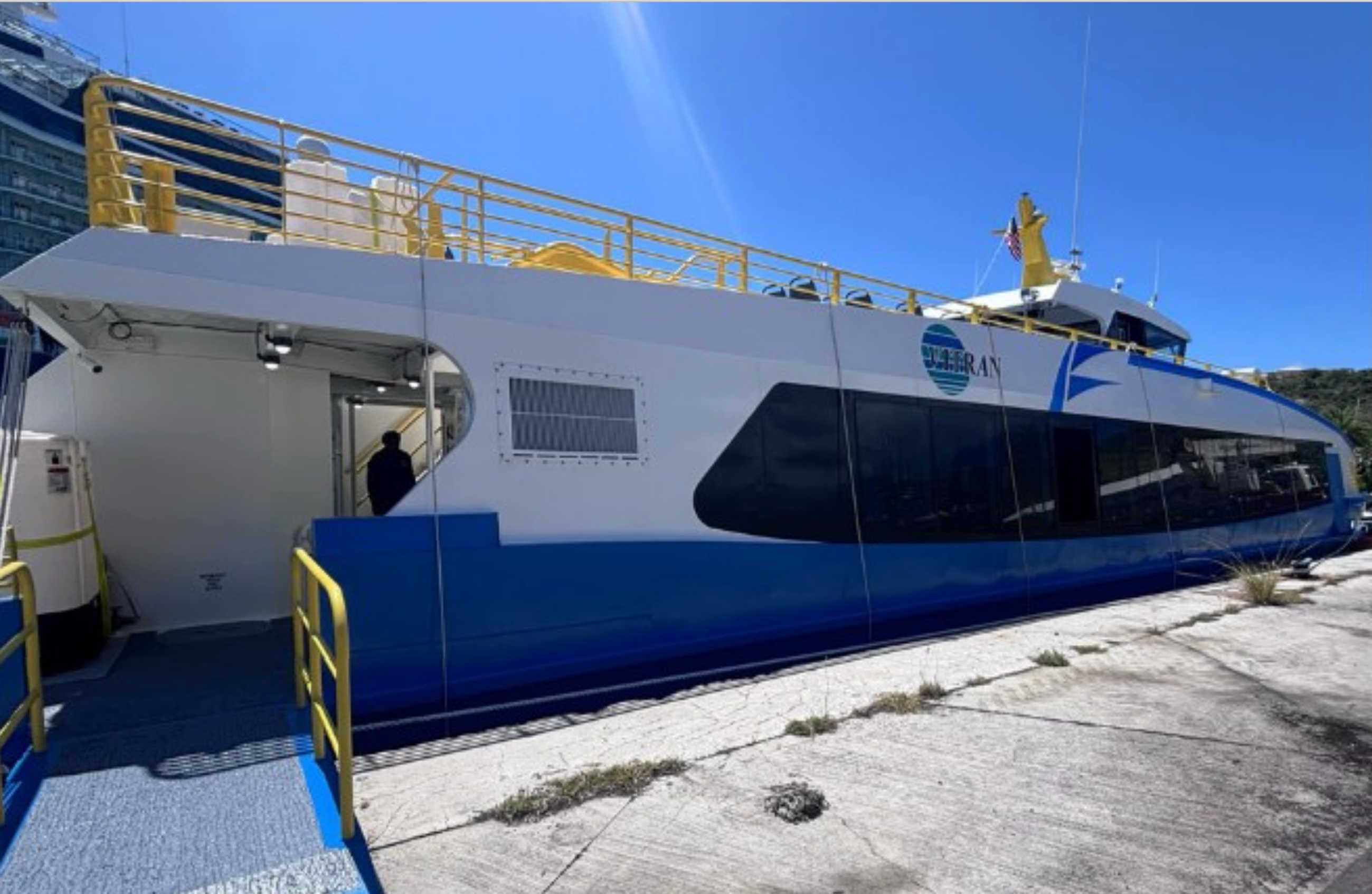
The V.I. Public Services Commission has voted to direct that three government-provided ferry vessels be treated as sufficient assets for the Red Hook–Cruz Bay route, while also determining that the private ferry companies cannot recover the capital value of those vessels through the rate-setting process because they did not purchase them.
The decision came during the PSC’s May 13 meeting as commissioners continued working through the St. John ferry rate investigation involving the Red Hook–Cruz Bay and Charlotte Amalie routes. The issue arose as commissioners discussed what assets should be included in the rate base used to determine whether the ferry companies are entitled to a rate increase, and if so, how that rate should be calculated.
Commissioner David Hughes raised the concern during a broader discussion about the ferry companies’ current rate structure, vessel availability, and whether private operators are being compensated for vessels that are no longer in regular service. He questioned whether the companies should be allowed to recover costs tied to government-provided vessels, especially if they made no investment in those boats.
The matter followed earlier discussion in which PSC officials and the hearing examiner reviewed the vessels being used on the Red Hook–Cruz Bay route. Hearing examiner Jed JohnHope said the route could be operated using three government-provided vessels, with an emergency option for a fourth vessel if needed for maintenance or other service disruptions.
Mr. JohnHope said the rate case should focus on maximizing the use of the federal assets already available to the ferry system. He indicated that based on fuel logs and vessel use, the Red Hook–Cruz Bay route appeared to be operating largely with the government-provided vessels, with limited use of other boats.
The discussion also touched on whether additional vessels should be included in the rate calculation. One concern raised was that some privately owned vessels listed in prior rate considerations had been out of service or under repair for years. Attorney Maria Tankenson Hodge, representing the ferry companies, pushed back against suggestions that the companies were being compensated improperly, arguing that the legal and rate-setting framework should not be interpreted in a punitive way against the operators.
However, commissioners focused on the practical question of what vessels are necessary to provide reliable service on the Red Hook–Cruz Bay route and whether the private companies should be allowed to recover capital value for boats provided through government or federal support.
Following the discussion, Commissioner Hughes made a motion stating that the three government boats currently in operation are sufficient assets for the Red Hook–Cruz Bay route and that no recovery of the capital value of those assets is eligible for recovery by the ferry companies. The motion was seconded and approved by all four commissioners present.
The vote is expected to provide critical guidance to the hearing examiner as he finalizes the ferry rate report. Commissioners had already directed that the Red Hook–Cruz Bay route be analyzed separately from the Charlotte Amalie route, which accounts for a much smaller share of ferry traffic but complicates the overall rate calculation.
The PSC also voted to require staff to develop a process for auditing fuel consumption and labor costs for the Red Hook–Cruz Bay route, another step commissioners said was needed to ensure that any final rate decision is based on verifiable data rather than figures submitted without independent review.
The ferry rate case has been ongoing for roughly a year and has raised major questions about ferry company revenues, vessel use, government subsidies, operating costs, and the accuracy of the data used to justify rate requests. Mr. JohnHope has recommended denying a rate increase, citing concerns that include data integrity, oversight, and compensation tied to assets that may not be properly included in the rate base.
The final report is expected to come back before the PSC in June.