


 77°F
77°F


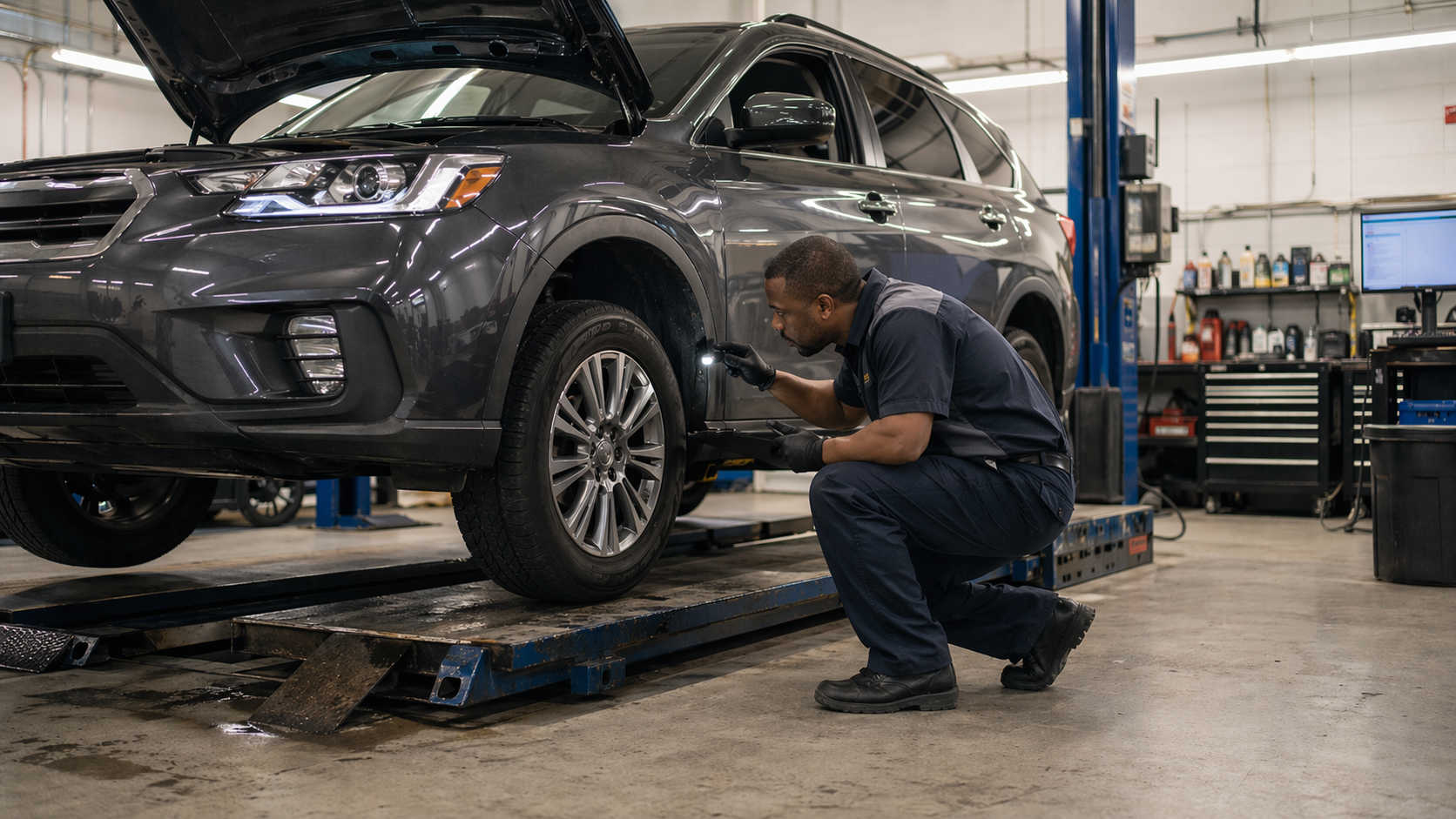
Legislation aimed at changing how motor vehicle inspections, registration, and related fees are handled in the Virgin Islands was held in the Committee on Housing, Transportation, and Telecommunications for further review after lawmakers raised concerns about federal compliance, funding, and the bill’s overall clarity.

Bill 36-0109, sponsored by Senator Angel Bolques, sought to amend several sections of the Virgin Islands Code dealing with the collection of fees, vehicle inspections, and restrictions affecting the car rental industry.
Bolques described the measure as a “necessary step toward improving road safety, strengthening enforcement, supporting small businesses and modernizing how we manage vehicle inspections and registrations.” He argued that the current system is “not working the way that it should” and said all vehicle owners are now required to go through the same process “regardless of the risk.”
According to Bolques, the legislation “takes a smarter approach to inspections by focusing on higher risk vehicles.” He said the bill would allow certified local garages to perform inspections, which he argued would help reduce wait times. He also said it would strengthen enforcement by allowing the Police Department and the Bureau of Motor Vehicles to “inspect vehicles and require repairs and remove unsafe or unserviceable vehicles from our roadways.”
Barbara McIntosh, director of the Bureau of Motor Vehicles, supported the measure and called it a “thoughtful and practical modernization of our current system.” She said outsourcing inspections to outside garages would still include an administrative fee paid to BMV and would reduce “unnecessary congestion at inspection stations” while aligning safety oversight with “actual risk categories.”
Under the bill, only high-risk categories such as school buses and commercial vehicles would be required to undergo inspection and registration, while vehicles considered low risk would be registered over longer intervals.
McIntosh said that approach would reduce “administrative bottlenecks” and allow BMV personnel to “focus on core services such as registration, titling, and compliance oversight.”
She also backed the bill’s continued requirement for emissions inspections for all motor vehicles. McIntosh further supported the proposal that “vehicles in the rental car industry should not require inspection by BMV, provided that the rental company certifies that the vehicle is in full compliance with all safety and equipment requirements under Chapter 41.” Rental companies, she said, would also be required to affirm that “each vehicle is roadworthy” before it is rented out.
According to McIntosh, that arrangement “rightly places responsibility on rental businesses, which are best positioned to monitor their fleet conditions daily.”
The V.I. Police Department, however, expressed “concern and opposition to the bill as currently drafted.” Lieutenant Alexander Moorehead IV, commander of the St. Croix District Motor Carrier Safety Unit, testified that the original version of the bill “introduces significant conflicts with federal law and threatens the integrity of the Virgin Islands’ Commercial Motor Vehicle Inspection System.”
Moorehead said the MCSU is the “only entity legally authorized to conduct commercial motor vehicle inspections” under specific federal standards. He warned that the unit has “exclusive authority” to perform commercial vehicle inspections and said any expansion of that authority would “place the USVI in direct violation of federal law.”
Bolques later clarified that outside inspections would apply only to “standard vehicles, not the larger vehicles that you would see as school buses or commercial-rated vehicles for passengers.”
The bill also proposes creation of the Inspections and Safety on Public Highways Fund, which would collect revenue generated from inspections and violations. Those funds would then be “reinvested into personnel, enforcement, and vehicle safety programs.” Bolques noted that BMV and VIPD “ technically do not get to see any of the funding that they technically work for.”
Clarina Modeste-Elliot, assistant commissioner in the Department of Finance, agreed that a separate fund would ensure “revenues generated for a specific purpose are not commingled with the general fund, strengthening internal controls and aligning with added best practices.” However, the department’s support depended on “the implementation of a strong financial control framework, including clear guidelines for allowable uses, defined reporting requirements and appropriate oversight.”
Senator Kurt Vialet raised concerns about how the measure could affect the territory’s finances. McIntosh testified that commercial vehicle inspection fees average $500,000 annually, meaning that money would no longer flow into the general fund.
“We just gotta make sure that we're looking at financial impact,” Vialet said. Without that revenue, he said, the Government of the Virgin Islands might have to “increase revenue some place else.”
Senator Novelle Francis, who chairs the Committee on Budget, Appropriations, and Finance, also questioned how the territory would make up the difference.
“Once we start to take away, then how do we replace [or] replenish that if we don't have additional funding coming into place outside of that?”
By the end of the hearing, lawmakers agreed that the measure needed more work and that its language must be more clearly defined to eliminate the confusion that surfaced repeatedly during discussion.
“I think it needs to be in the language. We need to clear it up a bit more,” said Senator Kurt Vialet.
Committee chair Senator Marvin Blyden agreed, saying “the bill is a good bill, but there is some more work to do.”