

 77°F
77°F

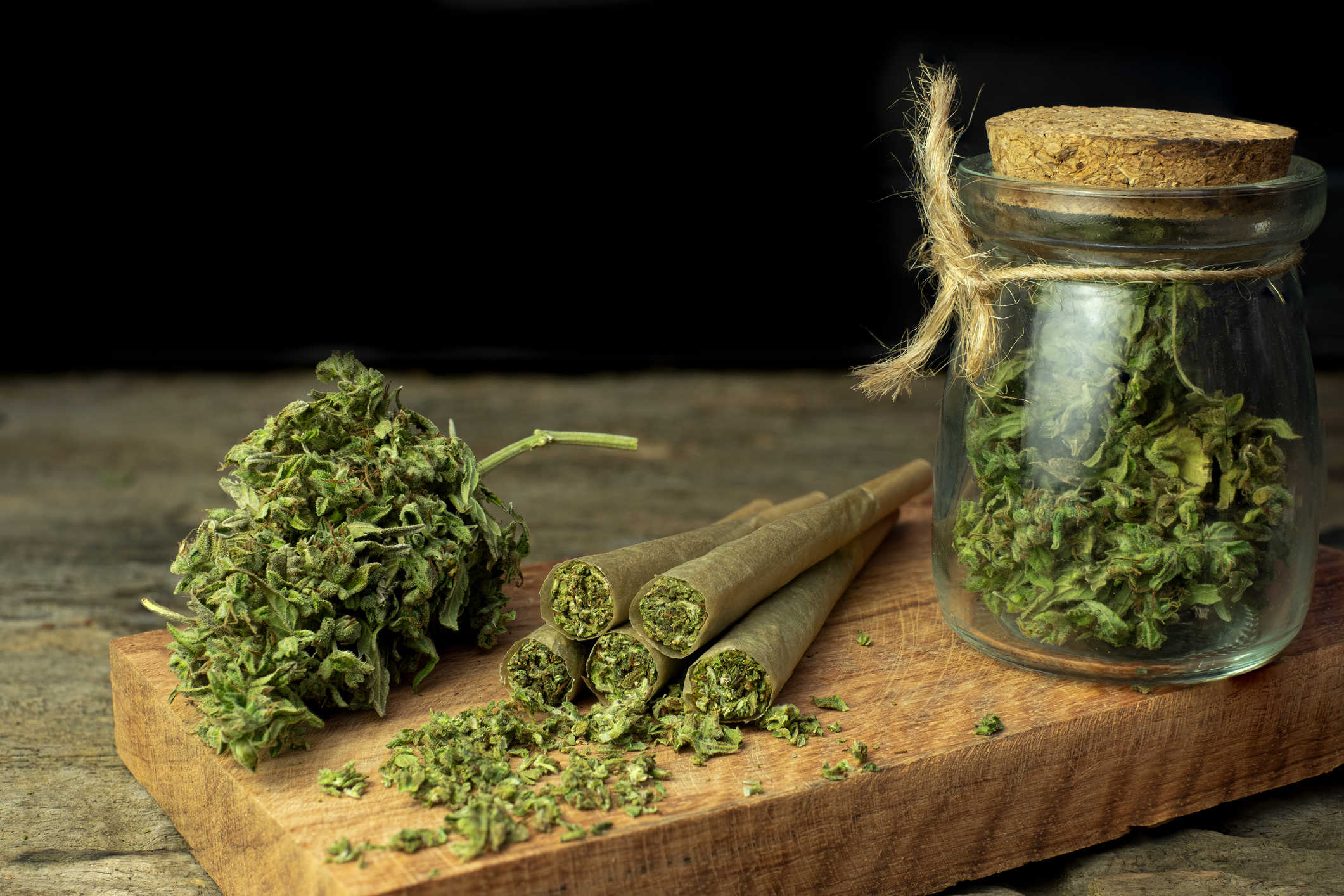
The Cannabis Advisory Board has approved laboratory testing standards for cannabis and cannabis-derived products that will eventually be cultivated and sold in the Virgin Islands, adopting rules that officials say are tailored to the territory’s humid climate and environmental conditions.
During a meeting on Thursday, Office of Cannabis Regulation Executive Director Joanne Moorehead told board members that the standards were developed using cannabis testing standards in other United States jurisdictions as a baseline, then adjusted to fit “our unique climate, our temperature, our environment in general.”
Those adjustments, Ms. Moorehead explained, were made to account for the Virgin Islands’ humid climate. Compared with a jurisdiction such as Colorado, “ours might be a little more stringent, but that is really because we’re looking at environmental factors that affect our plant product grown here,” she said.
She noted that while limits for acceptable levels of heavy metals may be similar across jurisdictions, the standards adopted by the Cannabis Advisory Board are more restrictive when it comes to mold, yeast and bacteria.
The testing requirements will also vary depending on how a product is intended to be consumed.
“In the inhalable products, one of the things that is absolutely prohibited is Vitamin E acetate,” Ms. Moorehead said.
Vitamin E acetate is banned because of a wave of vaping-related lung injuries in 2019 that was traced to the substance, which had been used as a thickening agent in illegal vaporizer cartridges containing THC.
Different standards will apply to products meant to be inhaled, orally ingested, used topically or consumed in tincture form. Ms. Moorehead said higher-risk products will receive more stringent scrutiny.
She also encouraged prospective cannabis cultivators to test their soil before applying for grow licenses or planting crops, saying proactive soil sampling would be a prudent measure before cannabis is harvested and submitted for laboratory testing.
Soil sampling is not routinely conducted in the territory, Ms. Moorehead noted, but individuals may choose to have their soil tested.
“I certainly recommend that,” Ms. Moorehead said.
Pointing to concerns over heavy metals in the municipal water supply and the decades-long operation of an oil refinery on St. Croix, she said environmental contaminants can enter plants through the root system.
“I would hate for [growers] to have hundreds of plants and then realize that they have a soil problem,” she said.
CAB Chair Catherine Kean agreed that growers should take precautions before cultivation begins.
“It’s in the best interest of all cultivators to make theinvestment…of testing their soil and their water before utilizing it to grow anything, in general,” Ms. Kean said.
There are currently no laboratories in the territory that conduct the kind of soil testing Ms. Moorehead referenced, but she said one may soon be established.
For required cannabis product testing, however, Ms. Moorehead said she is confident that the laboratory now under construction on St. Croix will be ready “by the time our first cultivators have planned to test.”
She noted that no cultivation certificates have been issued yet. By the time licensed cannabis products are ready for testing, she assured board members that the lab would be ready to receive them.
Ms. Moorehead also emphasized that significant penalties are in place for the sale of untested or improperly labeled products.
“We have the ability to write citations, to set fines…up to and including…suspension or complete revocation of a license,” she said.
Rules and regulations for intoxicating hemp products are still being drafted, meaning testing standards for that category will be published later.
Ms. Moorehead said her main concern for intoxicating hemp products is “public health and safety.” She identified labeling accuracy as the larger issue in the hemp space, but said the same safety principles will apply.
“The prohibited things in the cannabis testing are going to be prohibited in the intoxicating hemp space. If it’s not safe for you to consume, it’s not safe for you to consume at any level.,” Ms. Moorehead concluded.