




President Donald Trump unleashed a fiery rebuke of Israel and Iran on Tuesday, accusing both nations of violating a ceasefire he announced just hours earlier to end a 12-day conflict that has killed hundreds and pushed the Middle East to the brink of wider war.

In a candid and expletive-laden outburst to reporters before departing for a NATO summit in The Hague, Trump expressed frustration with both sides, particularly Israel, for continuing military actions despite the truce. He later took to Truth Social, warning Israel in stark terms: “ISRAEL. DO NOT DROP THOSE BOMBS. IF YOU DO IT IS A MAJOR VIOLATION. BRING YOUR PILOTS HOME, NOW!”
The developments have cast doubt on the ceasefire’s viability and highlighted Trump’s struggle to broker peace in a volatile region.
A Ceasefire Under Strain

Trump announced the ceasefire late Monday, June 23 via Truth Social, declaring, “THE CEASEFIRE IS NOW IN EFFECT. PLEASE DO NOT VIOLATE IT!” The agreement, brokered with Qatari mediation, called for Iran to halt attacks at midnight ET Tuesday, with Israel to follow 12 hours later. The truce aimed to end a conflict ignited by Israel’s surprise attack on June 13, which targeted Iranian nuclear facilities and killed top military commanders and scientists, followed by U.S. strikes on June 21 against Iran’s Fordo, Natanz, and Isfahan nuclear sites. Iran retaliated with missile barrages on Israel, causing significant damage in cities like Tel Aviv and Beersheba.
Hours after the ceasefire’s start, Israel accused Iran of launching missiles at 10:30 a.m. local time (3:30 a.m. ET), claiming two were intercepted. Iran’s military, via state-aligned Tasnim news agency, denied firing any missiles post-ceasefire, asserting its final salvo occurred minutes before the truce began. Israeli Defense Minister Israel Katz ordered “powerful strikes against regime targets in the heart of Tehran,” prompting Trump’s sharp response. “I didn’t like the fact that Israel unloaded right after we made the deal,” Trump told reporters on the White House South Lawn. “They didn’t have to unload. We basically have two countries that have been fighting so long and so hard that they don’t know what the fuck they’re doing.”
Trump’s Truth Social Plea
As Air Force One prepared to depart, Trump escalated his warning to Israel on Truth Social, urging restraint to preserve the ceasefire. His post, written in all caps, underscored the urgency: “ISRAEL. DO NOT DROP THOSE BOMBS. IF YOU DO IT IS A MAJOR VIOLATION. BRING YOUR PILOTS HOME, NOW!” Moments later, he posted again, insisting, “Israel is not going to attack Iran. All planes will turn around and head home, while doing a friendly ‘plane wave’ to Iran. Nobody will be hurt, the ceasefire is in effect! Thank you for your attention to this matter!” Even so, Israeli officials indicated a “symbolic” strike remained under consideration, according to The Times of Israel.
Trump’s frustration was palpable as he spoke to reporters, noting he was “not happy with Iran either” but “really unhappy” with Israel for dropping “a load of bombs the likes of which I’ve never seen before” shortly after agreeing to the truce. He suggested the violations might not have been intentional, saying, “I’m not sure they did it intentionally,” but emphasized his intent to rein in Israel: “I gotta get Israel to calm down now.” Israeli Prime Minister Benjamin Netanyahu and Trump spoke by phone Tuesday, Israeli media reported, though details of the conversation were not disclosed.
The Human Toll and Regional Fallout
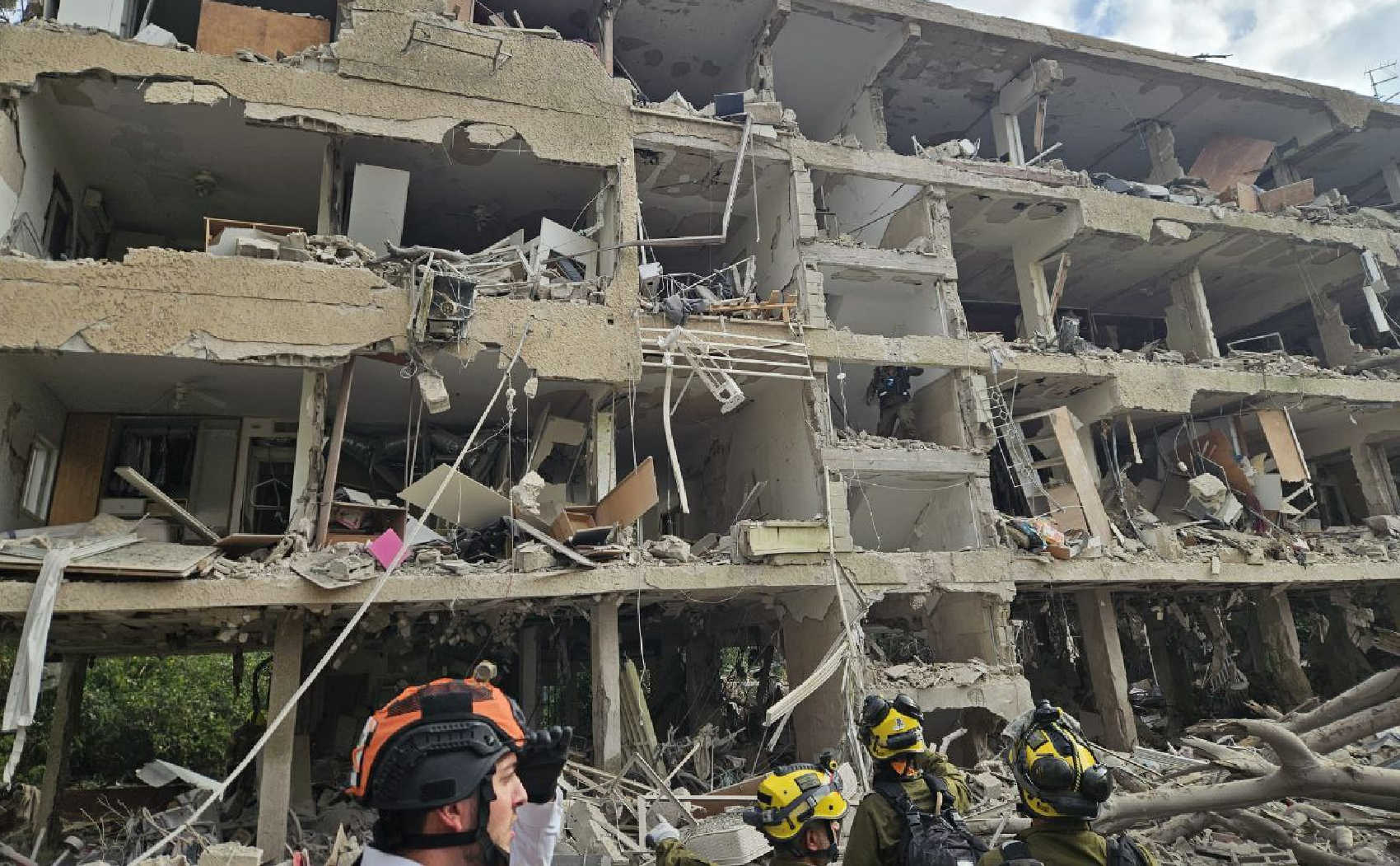
The ceasefire violations have compounded an already devastating toll. In Iran, at least 610 people have been killed and 4,746 wounded since Israel’s campaign began, including 13 children, according to Iran’s Ministry of Health. In Israel, Iranian missile strikes have killed at least 24 and wounded hundreds, with a June 24 strike in Beersheba killing four in a residential building, per Israel’s emergency services. Tehran residents described “intense” Israeli strikes before the ceasefire, with one social media user writing, “The bombardment tonight in Tehran was extremely intense. For a full hour the explosions wouldn’t stop. We are a completely defenseless people.”
The conflict, rooted in Israel’s June 13 attack, has drawn global condemnation. The U.N. and European allies criticized Israel’s initial strikes, which killed 78, mostly civilians, per Iran’s U.N. ambassador. A March 2025 U.S. intelligence assessment and IAEA reports stated Iran was not pursuing nuclear weapons, contradicting Israel’s claim of an imminent threat. Iran’s Foreign Minister Abbas Araqchi, while denying a formal ceasefire agreement, said operations ceased at 4 a.m. Tehran time (8:30 p.m. ET Monday), but reserved the right to resume if Israel continued attacks.
Gaza’s Ongoing Crisis
The Israel-Iran conflict is inseparable from Israel’s war in Gaza, triggered by Hamas’s October 7, 2023, attack, which killed 1,200 Israelis. Israel’s response has killed over 56,000 Palestinians, mostly civilians, per Gaza’s health ministry and Human Rights Activists, prompting genocide allegations from rights groups like B’Tselem. The U.N. agency for Palestinian refugees, UNRWA, condemned a U.S.-backed aid system in Gaza as “an abomination that humiliates and degrades desperate people,” with chief Philippe Lazzarini calling it a “death trap costing more lives than it saves.” The Gaza crisis has fueled Iran’s rhetoric against Israel, though its weakened proxies, Hamas and Hezbollah, limit its regional leverage.
International and Domestic Reactions

Qatar’s Prime Minister Mohammed bin Abdulrahman Al Thani, a key mediator, expressed concern over the violations, saying, “The violations of the ceasefire witnessed this morning are unacceptable and we hope that the ceasefire will hold and diplomacy will prevail.” German Chancellor Friedrich Merz urged both sides to heed Trump’s call, while French President Emmanuel Macron reiterated opposition to military-driven regime change in Iran, citing past failures in Iraq and Libya.