


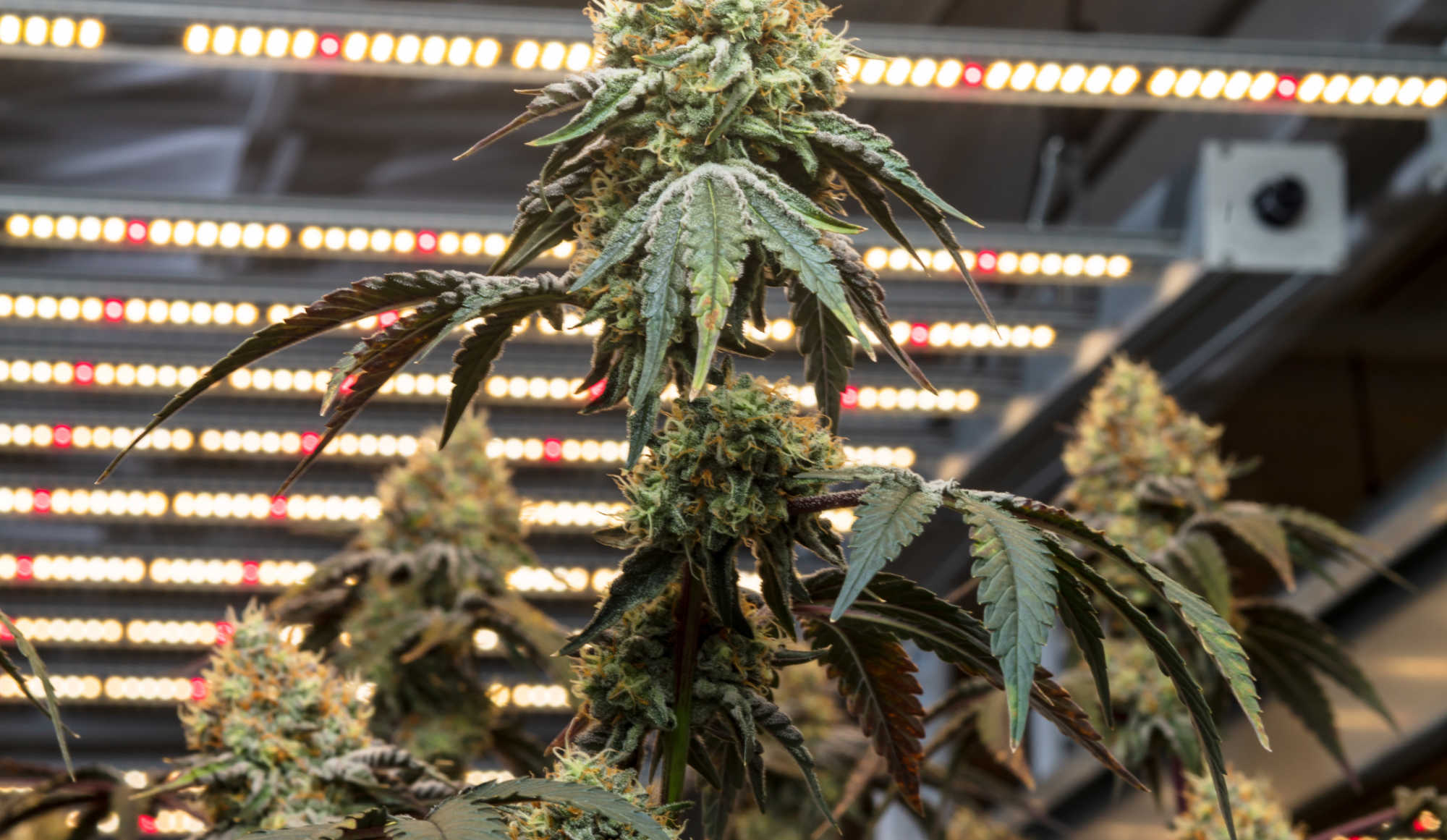
President Donald Trump on Thursday signed an executive order directing the U.S. Attorney General to accelerate the process of reclassifying marijuana under federal law, marking a significant shift in national drug policy while stopping short of full legalization.

The order instructs the Attorney General to expedite the rescheduling of marijuana from Schedule I to Schedule III under the Controlled Substances Act. The signing ceremony at the White House was attended by doctors, patients, military veterans, and law enforcement officials.
The executive order is intended to expand medical research and improve access to cannabis-based treatments. Stakeholders who advised the administration cited potential benefits for patients suffering from conditions such as chronic pain and post-traumatic stress disorder, particularly among veterans seeking alternatives to opioid medications.
During remarks at the signing, Trump said the policy shift would “unlock medical miracles,” while emphasizing that strict controls on recreational marijuana would remain in place. His comments reflected the administration’s broader approach of supporting medical access while continuing efforts to combat illicit drug trafficking.

Under federal law, marijuana is currently classified as a Schedule I substance, a category reserved for drugs considered to have no accepted medical use and a high potential for abuse, alongside substances such as heroin. Moving marijuana to Schedule III would place it among drugs recognized as having medical value with a moderate risk of dependency, similar to certain prescription medications.
If finalized, the rescheduling could allow the Food and Drug Administration to more readily approve cannabis-derived products. This change could also ease patient access by enabling distribution through pharmacies and increasing the likelihood of insurance coverage for approved treatments.
The executive order does not legalize marijuana at the federal level. Recreational possession and distribution would remain subject to federal prosecution, and states would continue to set and enforce their own marijuana laws.
Nationally, the reclassification is expected to encourage expanded scientific research into marijuana’s therapeutic effects. Advocates say this could benefit patients dealing with conditions such as epilepsy or side effects from chemotherapy, while also lowering barriers for veterans seeking medical alternatives.
The move may also have economic implications. By shifting marijuana to Schedule III, cannabis-related businesses could become eligible for certain federal tax deductions, and pharmaceutical development involving cannabis compounds could expand. Critics, however, have warned that increased access could raise the risk of abuse if regulatory oversight is not sufficiently robust.
Law enforcement representatives who attended the signing expressed support for the focus on medical use but cautioned against any weakening of enforcement efforts targeting illegal marijuana markets.
In U.S. territories — including Puerto Rico, Guam, and the U.S. Virgin Islands — where federal law applies directly, the rescheduling could align more closely with existing local medical marijuana programs. Some territories, such as the U.S. Virgin Islands, already permit medical cannabis use, and the change could open the door to expanded opportunities.
Territorial cannabis policies vary, but officials and advocates have said the federal shift may make it easier to obtain federal funding for studies and coordinate medical marijuana access within federal systems.
Implementation of the executive order will depend on formal rulemaking by the Drug Enforcement Administration, which is expected to act in accordance with the directive for expedited action. No immediate changes will take effect until the DEA completes and finalizes the rule, a process officials say could take several months.
The order builds on a rescheduling review initiated under the Biden administration that had stalled prior to completion. Trump’s action accelerates that process, fulfilling a campaign promise focused on drug policy reform.
Public reaction has been mixed. Public health advocates praised the decision as a step toward evidence-based medicine, while some conservative groups raised concerns that the change could contribute to the normalization of drug use.

Congressional oversight is expected as the rescheduling process moves forward, with bipartisan interest in monitoring its potential effects on public health, crime, and the economy.