




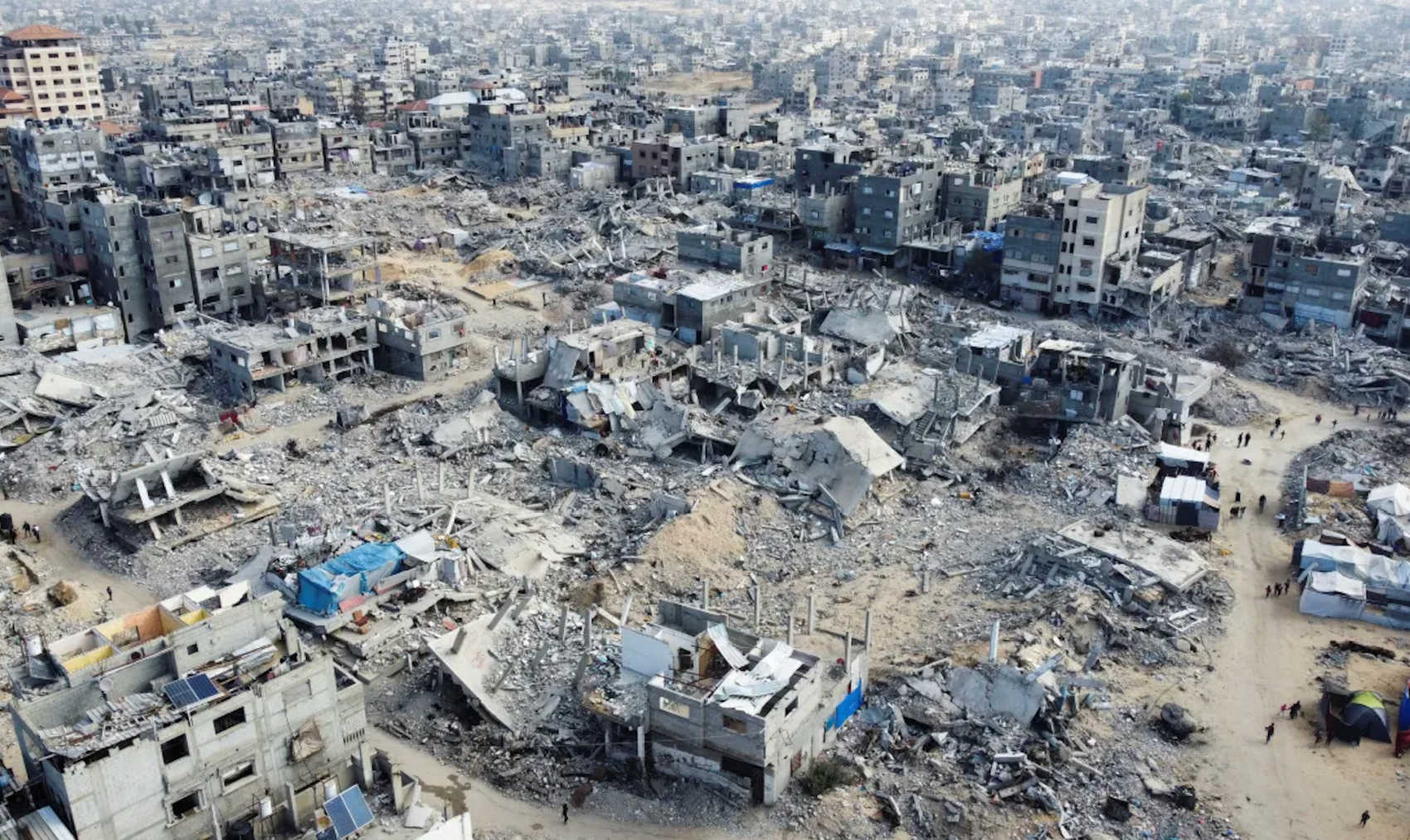
Israel’s security cabinet has approved a controversial plan to take control of Gaza City, marking a significant escalation in the ongoing conflict with Hamas, according to Israeli officials. The decision, backed by Prime Minister Benjamin Netanyahu, aims to dismantle Hamas’ influence and secure the release of hostages, but it has drawn sharp criticism from global leaders and humanitarian groups.

The plan, approved on August 7, involves deploying tens of thousands of Israeli reservists to capture and hold Gaza City, a densely populated area in the northern Gaza Strip. Netanyahu has stated that Israel intends to control the entire territory to “assure our security, remove Hamas there, enable the population to be free of Gaza and to pass it to civilian governance that is not Hamas,” as he told Fox News. He emphasized that Israel does not plan to govern Gaza long-term, adding, “We don’t want to keep it... We want to hand it over to Arab forces.”
The strategy includes displacing large numbers of Palestinians to southern Gaza, a move described as necessary to protect civilians but condemned by critics as forced displacement. The United Nations’ high commissioner for human rights, Volker Türk, called the plan “deeply alarming,” warning that it risks “catastrophic consequences” for Palestinian civilians and violates international law. UK Prime Minister Keir Starmer labeled the escalation “wrong,” stating it would “only bring more bloodshed.” Germany has responded by halting arms exports to Israel that could be used in Gaza, citing concerns over the military plan’s impact.
Humanitarian organizations have raised alarms about the worsening crisis in Gaza, where over 90% of the population is already displaced, and starvation is rampant due to Israel’s blockade on aid since March. The plan to control aid distribution through private contractors, bypassing Hamas, has been criticized as unworkable by UN officials, who argue it will exacerbate suffering. “The limited supplies finally being allowed to enter Kerem Shalom are nowhere near enough to meet the needs in Gaza,” said UN spokesperson Stephane Dujarric.
Within Israel, the decision has sparked division. Families of the 59 hostages still held in Gaza, including an estimated 20 believed to be alive, fear the operation endangers their loved ones. The Hostages and Missing Families Forum accused the government of “choosing territories over the hostages,” noting that over 80% of Israelis support a ceasefire deal to secure their release. Military leaders have also expressed skepticism, with some opposing the plan due to its risks and logistical challenges.

The move comes amid stalled ceasefire talks and growing international pressure on Israel to address the humanitarian crisis. With Gaza’s infrastructure devastated—70% of structures are uninhabitable, according to recent estimates—the prospect of further military action raises fears of deeper suffering.