



President Donald Trump on December 16 announced what he described as a “total and complete blockade” of all sanctioned oil tankers entering or leaving Venezuela, signaling a sharp escalation in the United States’ campaign against the government of President Nicolás Maduro and its oil-based revenue streams.
The announcement was made in a social media post, in which Trump tied the blockade to allegations that Venezuela’s oil exports are being used to finance drug trafficking and other criminal activity. According to the directive, U.S. forces are to intercept sanctioned vessels as part of ongoing maritime operations in the Caribbean.
White House officials characterized the move as a targeted effort to sever what they described as the Maduro government’s remaining financial lifelines. The blockade builds on previous U.S. actions, including oil tanker seizures and the designation of Venezuelan entities as terrorist organizations.
The measure is rooted in longstanding U.S. sanctions on Venezuela’s oil sector, which were imposed following disputed elections and concerns over human rights under Maduro’s leadership. Those sanctions have already significantly reduced Venezuela’s oil exports and contributed to a prolonged economic crisis marked by hyperinflation and widespread shortages.
Venezuelan Foreign Minister Yván Gil condemned the action, calling it “economic terrorism” and accusing the United States of violating international law. He said the Venezuelan government would seek intervention from the United Nations in response to the blockade.
Analysts say the move could further isolate Caracas by sharply reducing oil revenues that help sustain the government. At the same time, the announcement has raised concerns within the global shipping and energy industries, as insurers and maritime operators may avoid Venezuelan routes altogether, potentially affecting already strained energy markets.
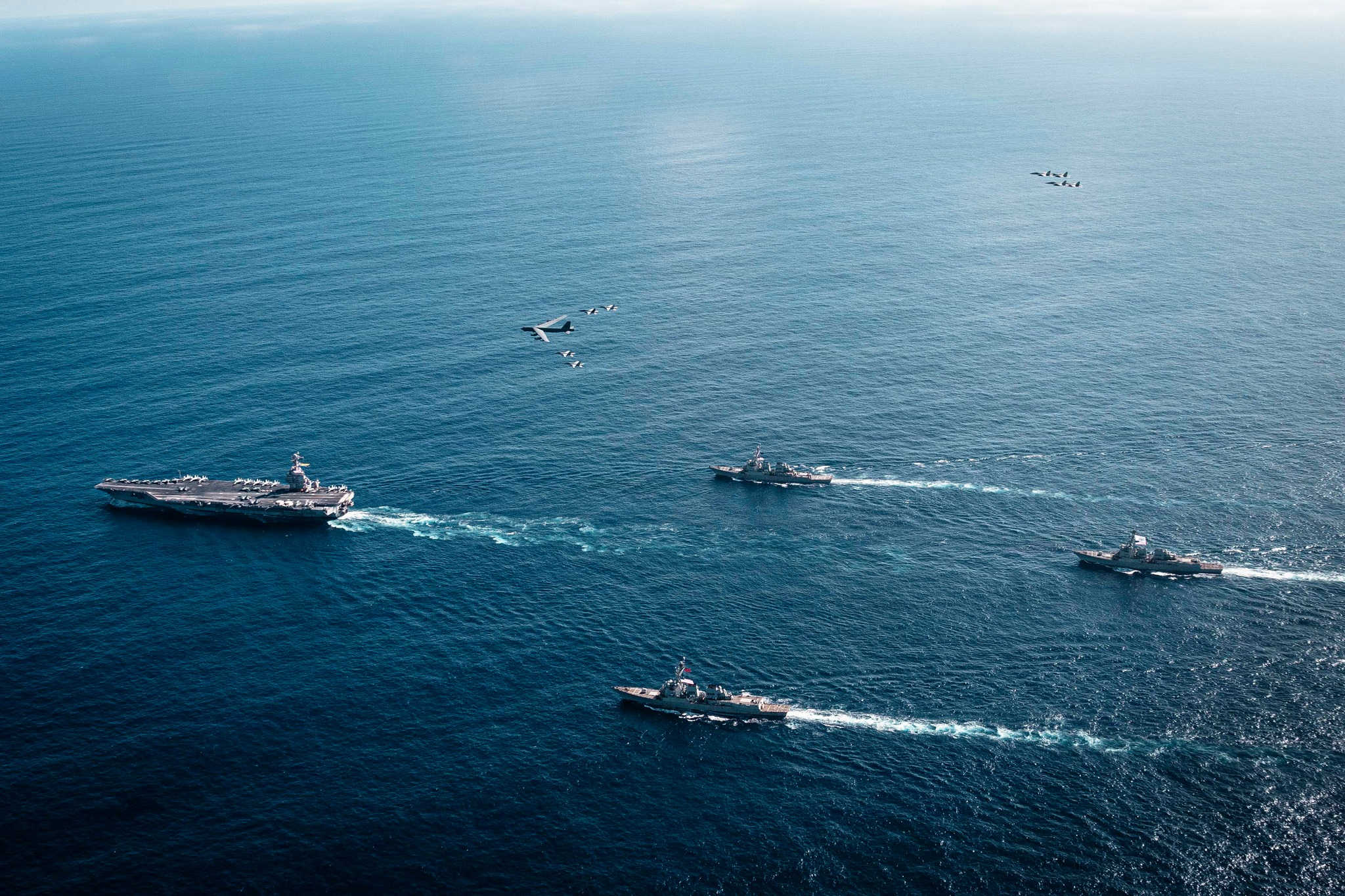
The enforcement capability for the blockade is supported by an expanded U.S. naval presence in the region, including carrier groups deployed under Operation Southern Spear, a presence strengthens U.S. interdiction capacity.
Some international partners have responded cautiously. Several Latin American governments have reportedly urged dialogue, warning that further destabilization could trigger broader regional consequences, including increased migration flows.
The blockade also raises questions about the administration’s longer-term intentions. Observers note that the move could precede additional military or diplomatic actions, including heightened support for opposition forces or renewed efforts to pressure Maduro to step aside. Trump has previously suggested that Maduro could be offered safe passage out of the country, reinforcing the perception that regime change remains a central objective.
As of the announcement, no immediate incidents involving oil tankers had been reported. The Pentagon confirmed that U.S. forces are prepared to implement the order, while congressional leaders from both parties have requested briefings amid debate over the scope of executive authority in foreign policy.