




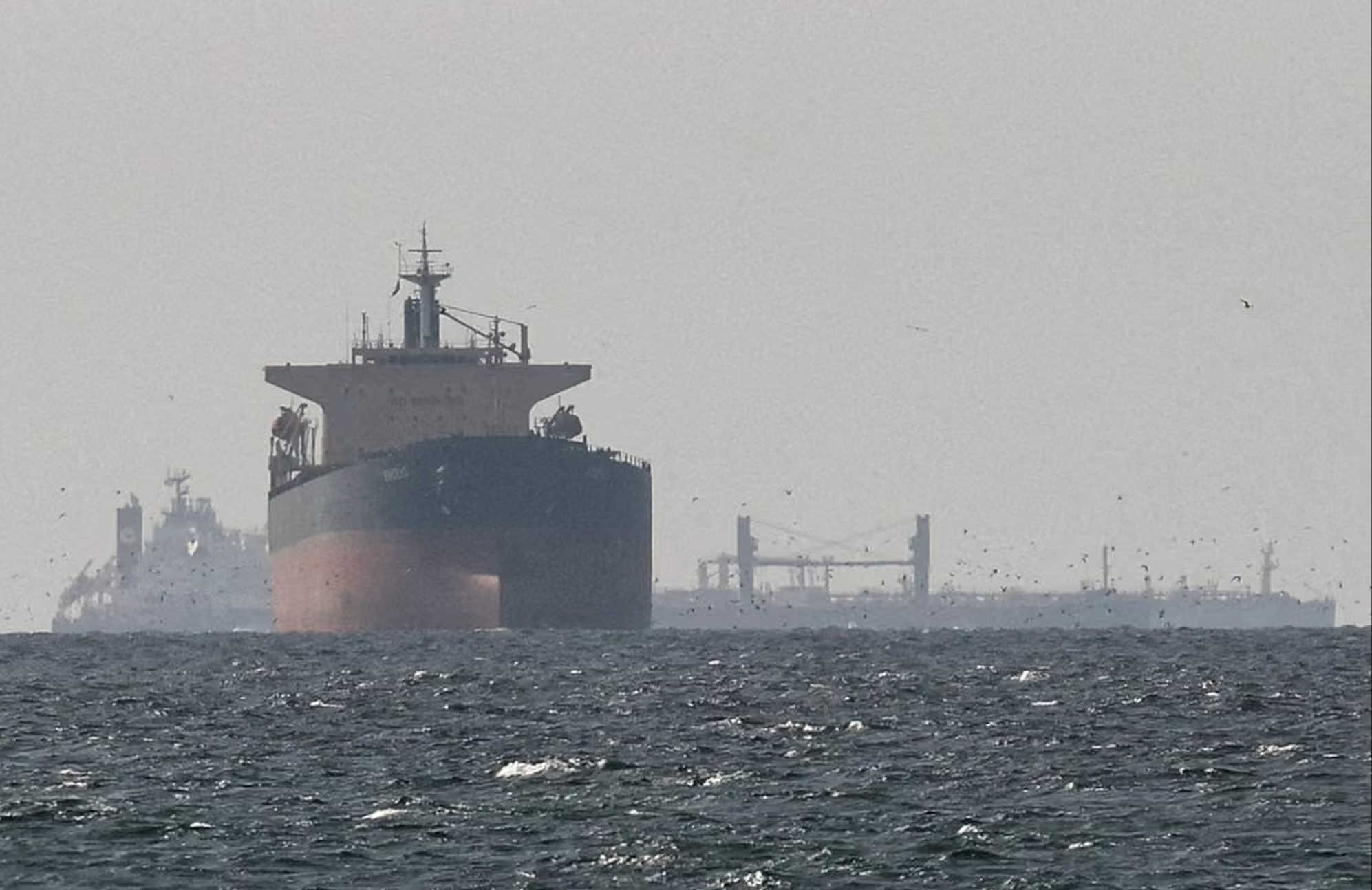
A prolonged closure of the Strait of Hormuz is threatening to push U.S. gasoline prices sharply higher, and in the U.S. Virgin Islands — where gas prices already tend to run above mainland levels and petroleum still underpins power and water production — the impact could be even more severe.

Reuters reported that the national average for U.S. gasoline rose to $3.58 per gallon by March 11, up nearly 60 cents in just 11 days after the United States joined Israel in attacking Iran on February 28. The news agency said further increases were likely as the war disrupted flows through the Strait of Hormuz and the market absorbed higher crude and fuel costs. Reuters also reported that if severe disruption persists, oil prices could move past the record highs reached in 2008, raising the threat of an even sharper shock at the pump.
That matters deeply for the Virgin Islands because the territory starts from a weaker position. The V.I. Energy Office’s Territory Energy Security Plan says the territory is 100% dependent on outside suppliers for petroleum and remains heavily reliant on shipping and transoceanic cargo for energy supply and fuel distribution. The same plan states that roughly 80% of the territory’s petroleum supply is used to power the electricity grid and WAPA’s desalination plants, meaning any sustained run-up in global fuel prices threatens not only drivers, but also the cost structure behind electricity and water.
Local fuel prices have already shown how exposed Virgin Islanders are to global energy turbulence. Consortium reporting in May noted that residents were still paying elevated prices at the pump even as crude prices fell, prompting calls for more transparency in local fuel pricing. That report also underscored a key local reality: when fuel costs remain stubbornly high here even during periods of declining global prices, any new mainland increase tied to war and shipping disruption is likely to hit the Virgin Islands from an already elevated baseline.

The broader energy shock has worsened rapidly. As the U.S.-Israeli war on Iran enters its third week, the effective closure of the Strait of Hormuz is trapping roughly 15% of global oil supplies in the Gulf, according to Reuters. Brent crude has climbed above $100 a barrel, while refined fuels have been hit even harder than crude, a critical point for import-dependent places because consumers ultimately buy gasoline, diesel and jet fuel, not raw oil. Reuters described the situation as one in which the United States is running short on tools to blunt the shock, even after massive emergency reserve releases.
For the Virgin Islands, that is a dangerous combination. The territory imports its fuel, pays high transportation and distribution costs, and remains exposed to fuel-driven pressure in the power sector. WAPA itself said last year that fuel is “the biggest burden” on customers, an acknowledgment from the utility that fuel costs remain central to what residents and businesses ultimately pay. If mainland motorists are bracing for a painful climb at the pump, Virgin Islanders should expect the territory to feel similar pressure, and potentially more, given its structural dependence on imported petroleum.
Reports confirm that President Donald Trump has been pressing other nations to help reopen or secure the Strait of Hormuz. Among the countries clearly reported by Reuters as declining to send ships were Japan and Australia. Japan said it has no current plan to dispatch naval vessels, while Australia said it had no plans to send a ship. South Korea, by contrast, said it would review the request carefully, and European officials were discussing whether to strengthen a limited naval mission, though there was no report on any broader coalition taking shape.
The war itself has become a major driver of market panic. The conflict began when the United States joined Israel in attacking Iran on February 28. Since then, the fighting has widened into a regional confrontation that has shaken oil shipping, aviation, and energy infrastructure across the Gulf. The U.S. Navy has told the shipping industry that escorts through Hormuz are not possible for now, noting the seriousness of the disruption and the uncertainty around how quickly the waterway can be stabilized.

For the Virgin Islands, a spike in U.S. gasoline prices is already underway, and the longer the Strait of Hormuz remains closed, the higher the risk that mainland prices keep rising toward far more painful territory.