




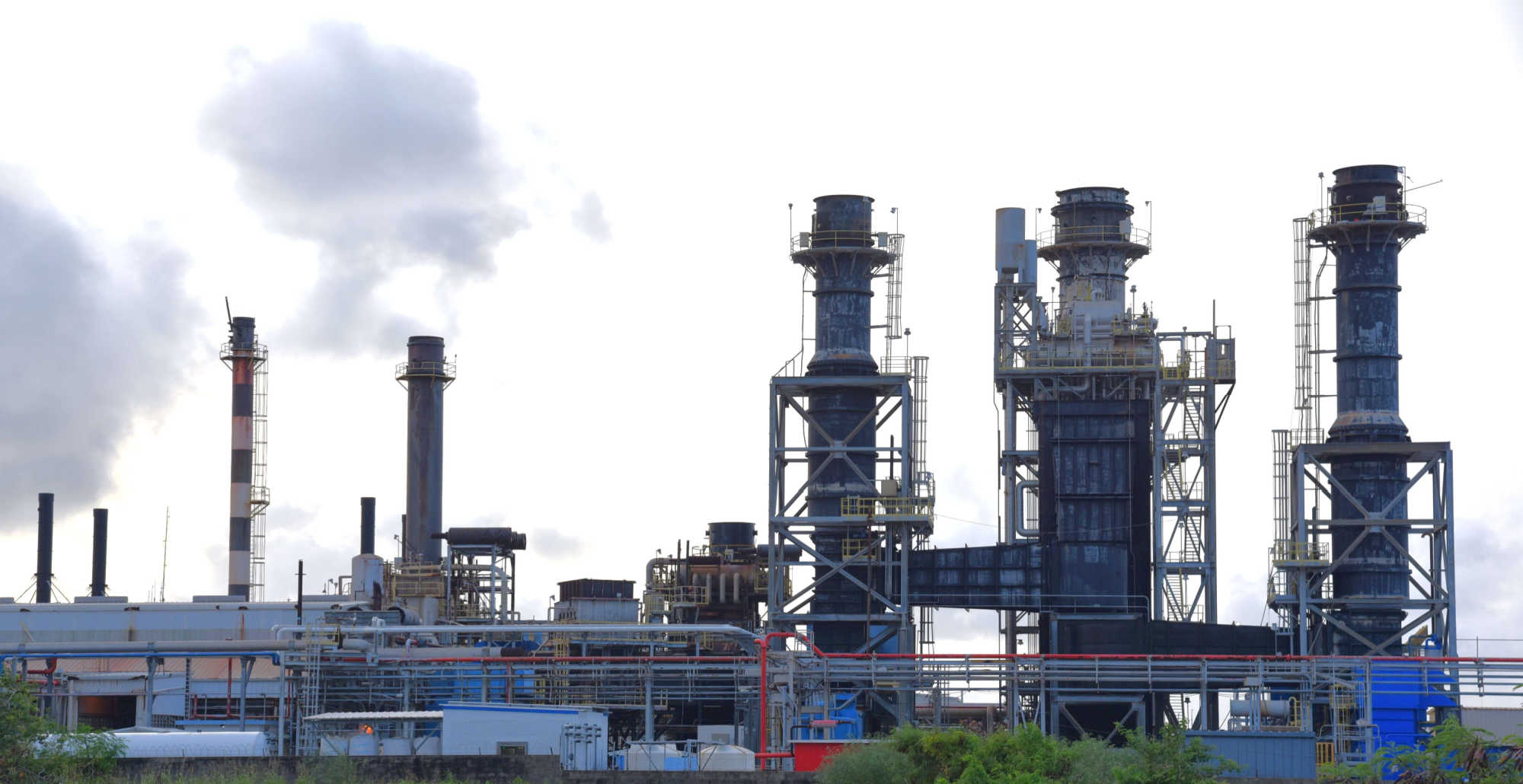
Cash flow problems at the V.I. Water and Power Authority took center stage during Thursday’s governing board meeting, where members learned that WAPA’s difficulty paying vendors on time is being compounded by delays outside the utility itself.

The issue surfaced during discussion of a proposed contract extension for a long-running consultant tied to WAPA’s Wartsila EPC project, prompting officials to describe a funding bottleneck involving federal recovery money flowing through the V.I. Housing Finance Authority.
The board was considering an extension of West Peak Energy’s project management services. The company is associated with WAPA’s Wartsila EPC project, and Project Management Director Maxwell George told members the consultancy agreement needed to be extended through August 30 so its services would remain available through the close-out of the Wartsila project, which is currently scheduled for mid-June. The proposed extension would cost WAPA an additional $300,000, George said.
After initial discussion of the contract terms, George disclosed that WAPA had fallen several months behind on payments to West Peak. “We have not paid West Peak since August last year,” he said. “We have been in a constant back and forth in terms of waiting for payment from VIHFA.”

George told board members that West Peak was “right now at the cusp of giving WAPA a stop work notice because of payment.” He said the company is owed “somewhere north of $150,000.”
WAPA Executive Director Karl Knight said the slow pace of federal fund disbursement is the main reason for the payment problems. “The HUD-VIHFA connection…it’s just been really problematic,” Knight said. “They have not released funds for existing projects such as this one.” He added that new projects have also gone unfunded. “That operation has stymied our ability to move forward.”
Knight said the lack of money moving through the federal pipeline is now threatening WAPA’s relationships with key vendors such as West Peak. “And when things start to break down and things start to fall apart, the name that is called in the media is WAPA,” he said.
He said the role of other agencies involved in the recovery process often escapes scrutiny. “These other agencies that have a role in supporting us through this recovery, no one tends to call their name,” Knight said. “But the resources aren’t necessarily forthcoming and they're not necessarily bending over backwards to make the resources available to us.”
According to Knight, West Peak’s more than three-decade relationship with WAPA has helped maintain continuity so far, but he cautioned that goodwill has its limits. “They have been as patient as they can, but at the end of the day, they run a business,” he said, noting that the issue extends beyond just West Peak Energy. “They’re not the only vendors where we’re caught up in that cycle."
With VIHFA Executive Director Eugene Jones set to leave the post next month, WAPA board Chair Maurice Muia instructed Knight to meet with VIHFA’s interim leadership “to ascertain the state of all funding sources for WAPA projects to ensure that we can pay our partners on time.” Muia said the funding backlog “reflects poorly” on VIHFA. “If they are a funding source, they need to work through with us whatever the problems may be.”
Knight said WAPA has advanced projects as far as it can. “We have pushed our projects as far as we can and waited for funding to catch up. In some cases the funding just isn’t catching up,” he said.
He told the board that the delays are having real consequences for the territory’s power system. “There’s $38 million caught up for projects that could make a meaningful difference in the reliability of our system…specifically things like transformers, repairs to Feeder 11, repairs to Feeder 12, standby generation for our substation,” Knight said. “Real projects that are caught up – data automation that allows us to isolate and sectionalize outages so that they don’t take down the whole feeder – we’ve been fighting trying to get those funded.”
Asked why the federal grant money is moving so slowly, Knight said, “There’s a myriad of explanation, but it all comes down to bureaucracy and the ability to cut through that bureaucracy.” He added, “I’ve tried to be patient…but we are getting into a crisis mode, and I recognize that not everybody is sharing the weight of the crisis along with me.”

The proposed contract extension for West Peak Energy was ultimately placed on hold pending an update from Knight following his discussions with VIHFA.