

The V.I. Housing Finance Authority has forcefully rejected claims by WAPA officials that delays in federal funding are preventing the utility from paying vendors and moving forward on critical reliability projects, calling those assertions false and accusing the authority’s leadership of trying to shift blame for its own shortcomings.
In a March 30 open letter sent to the V.I. Consortium, VIHFA said statements made during WAPA’s March 19 governing board meeting “grossly misrepresent the circumstances, facts, and status of infrastructure projects and VIHFA’s involvement,” particularly as they relate to project progress, required processes, and associated payments.
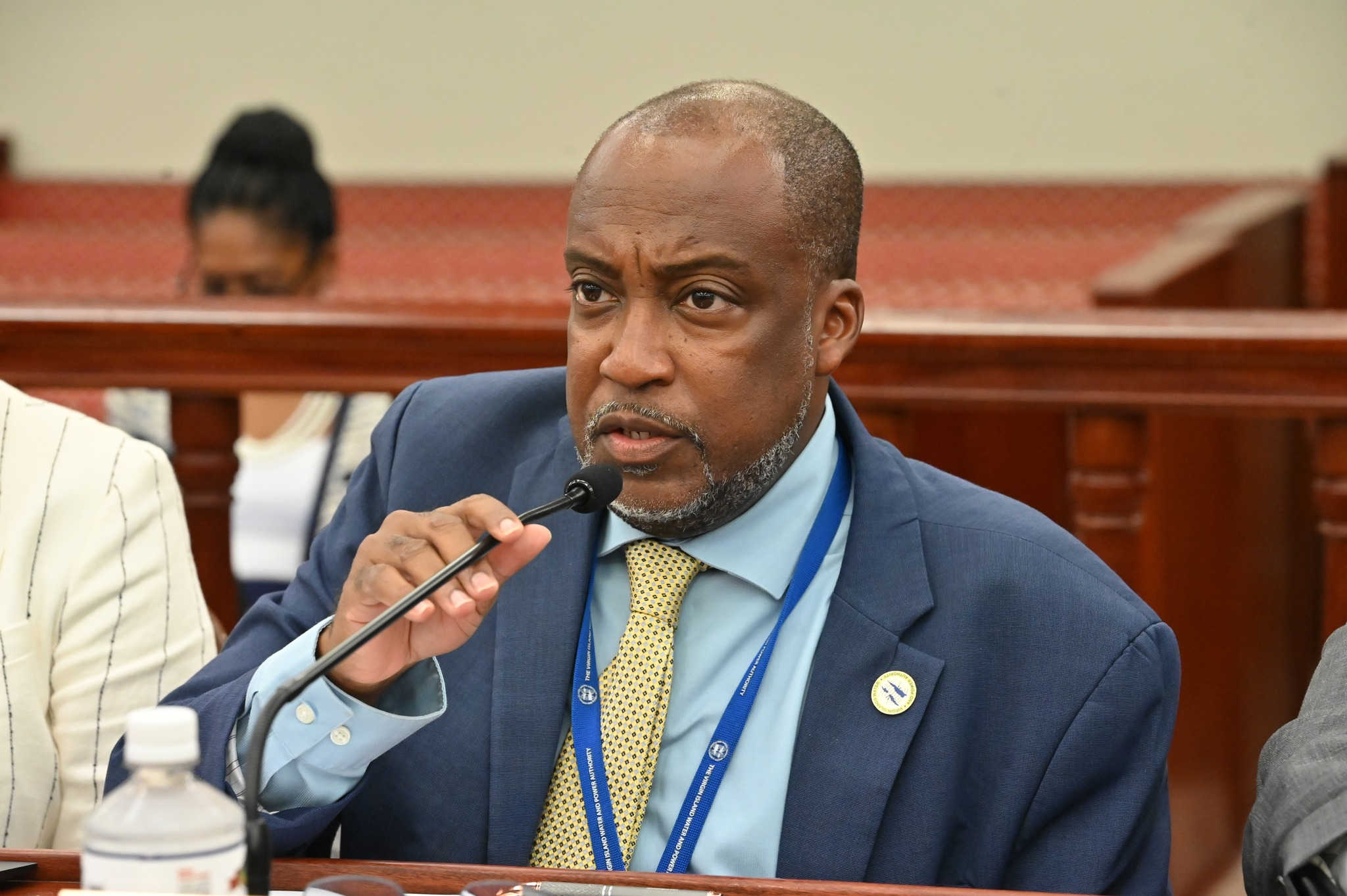
The letter was issued in response to public comments from WAPA officials, including Executive Director Karl Knight, who told board members that delayed federal funds flowing through VIHFA had left West Peak Energy unpaid since August, strained vendor relationships, and stalled roughly $38 million in reliability projects, including feeder repairs, transformer work, standby generation and data automation improvements. Project Management Director Maxwell George told the board that West Peak was owed more than $150,000 and was nearing a stop-work notice, while a proposed $300,000 extension of the company’s contract through August 30 was ultimately placed on hold pending further discussions.
VIHFA, however, said claims that HUD funds administered through the authority “have not been forthcoming due to bureaucratic delays are categorically false” and described the allegations as “a last-ditch and disingenuous effort” by WAPA leadership to deflect responsibility by casting the housing authority as a scapegoat for the utility’s “ongoing systemic shortcomings and deficiencies, including the inability to provide consistent power to the people of the Virgin Islands.”

As part of its response, VIHFA said it has already disbursed more than $247 million to WAPA through its CDBG-DR and CDBG-MIT programs. That amount, according to the authority, includes $78,642,284 for the Randolph Harley Power Plant Expansion Project, which it said directly supports power generation stability across the territory. VIHFA also said it is prepared to allocate another $36 million for critical grid resiliency initiatives.
The authority then laid out what it described as the factual status of the projects and payment process.
According to VIHFA, there are no outstanding or pending payment requests in its grant management system related to either Wärtsilä or West Peak. It also said that on February 27, 2026, VIHFA program leads and leadership met with WAPA’s team and confirmed that there were no outstanding payments pending within its system.
VIHFA further stated that six consultations with the Department of Planning and Natural Resources remain outstanding and are directly tied to key projects, including the Feeder 11 and 12 Rebuild, the St. Thomas Substation BESS, the Transformer Replacement Project, and Distribution Automated Devices. The authority said those consultations must be completed before it can finalize its environmental review and move to request authorization to use Electrical Grid grant funds for project commencement.
The letter also addressed West Peak specifically. VIHFA said that on August 8, 2025, it directed the Office of Disaster Recovery, which it identified as having programmatic oversight, to reassess West Peak Energy’s proposed amendment, align the budget with available line items, and revise the project scope so the work would not be deemed ineligible under HUD requirements. The authority said it remains prepared to review the amendment once those requested revisions are received.
That explanation stands in direct contrast to the account WAPA officials gave during last week’s board meeting. There, Knight said the “HUD-VIHFA connection” had become deeply problematic, that existing projects had not been funded, and that the slow movement of money through the federal pipeline was now undermining WAPA’s relationships with key vendors. He said the utility had pushed projects as far as it could while waiting for funding to catch up, and argued that the resulting crisis was falling publicly on WAPA even though other agencies also play a role in the recovery process.
VIHFA closed its letter by saying it fully recognizes the urgency of administering grant funds in a timely, efficient, and compliant manner, and stressed that real people depend on these infrastructure investments for safe, reliable, and resilient service. The authority said it remains committed to advancing projects that directly affect the well-being and quality of life of Virgin Islanders.

The exchange lays bare an increasingly public dispute between two key agencies involved in the territory’s energy recovery efforts, with WAPA blaming funding bottlenecks for delayed payments and stalled work, and VIHFA insisting the real obstacles lie in unresolved compliance steps, incomplete consultations, and project revisions still needed before certain federal funds can legally move forward.