


The Sixth Constitutional Convention of the Virgin Islands expects to complete an initial consolidated draft of the territory's proposed constitution by January 31, 2027, but says it needs another $300,000 and legislative amendments to support its operations and public education efforts ahead of a planned July 3 referendum.

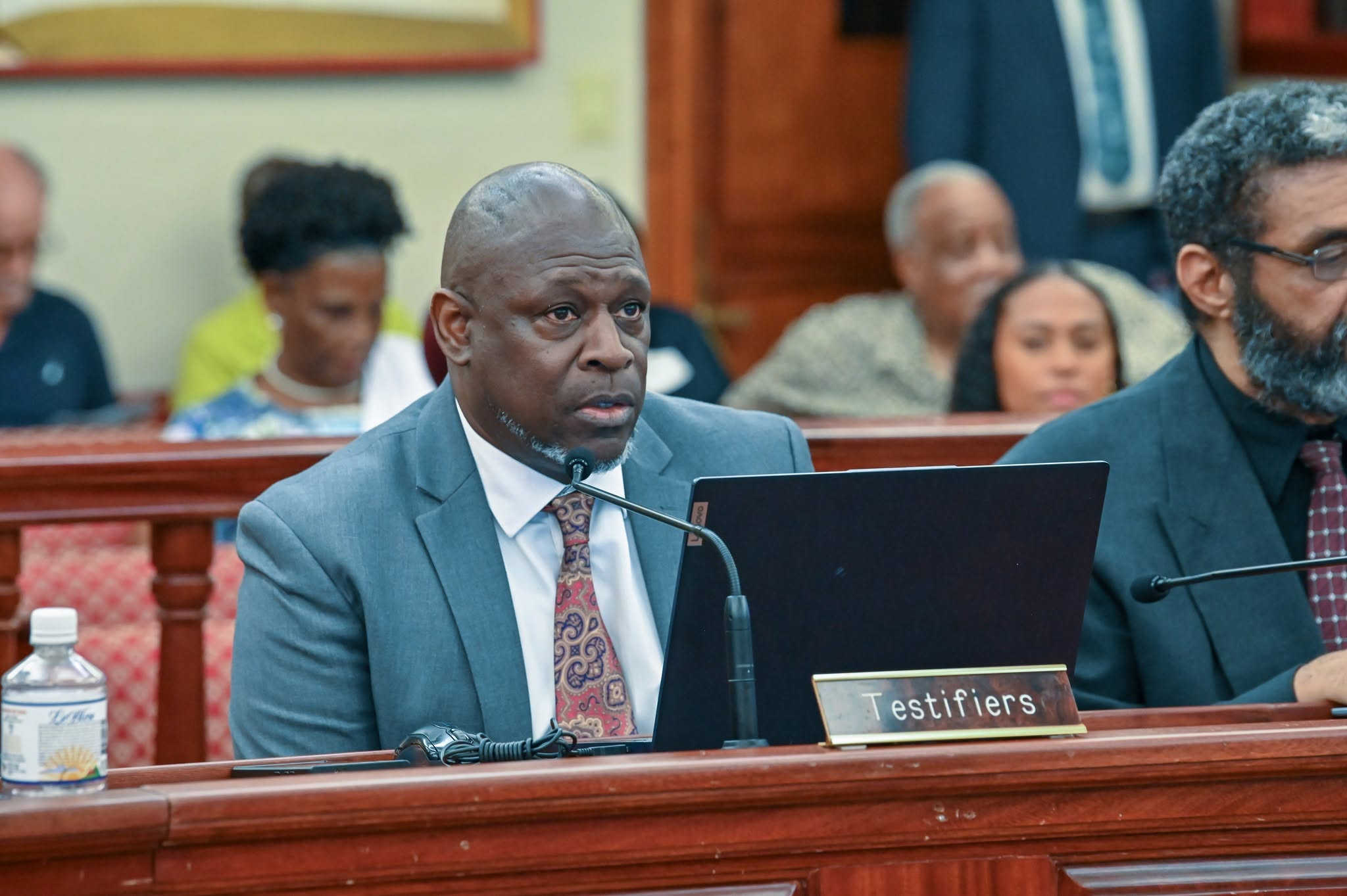
During Monday's hearing before the Senate Committee on Government Operations, Veterans Affairs and Consumer Protection, convention leaders defended their progress amid questions about the pace of drafting, more than $179,000 in delegate stipends and preparations to educate voters before they are asked to approve the proposed constitution.
Acting Convention President Stedmann Hodge Jr. told lawmakers that delegates and their committees have held 134 meetings since January 2025. He highlighted a “significant milestone” reached September 28, when the Human Rights Committee completed its assigned review.
The committee's approved language and accompanying memorandum were forwarded to the convention's executive committee in early October, with a plenary vote scheduled for November 7.
Other standing committees remain at various stages of review, but Mr. Hodge expressed confidence that the remaining work could be completed within the established deadlines.
Following the January 31 target for an initial consolidated draft, delegates will have another month for final reconciliation, plenary deliberations and adoption of the proposed constitution. The statutory deadline for submitting the completed document to the governor is February 28, 2027.
“We are on track to finish on time,” Mr. Hodge told lawmakers. “I'm extremely confident about that.”
Convention Seeks $300,000 for Operations and Public Education
The convention is requesting a $300,000 appropriation for fiscal year 2027, with $200,000 earmarked for operating expenses and another $100,000 for public education.
Lawmakers scrutinized the convention's spending during Monday's hearing, particularly the more than $179,000 paid in per diem stipends to delegates.
Convention Treasurer John J. Abramson Jr. assured lawmakers that financial controls were in place to govern those expenditures.
“We have policies in place to curtail the expenditure of the stipend,” he said.
“We have the standard operating procedures and policies in place for budgeting, spending, buying, expenditures,” Mr. Abramson continued, offering to make the documents available for legislative review.
The request for additional funding comes as delegates prepare for the final stages of drafting and the public education campaign preceding the referendum.
Public Outreach Faces Legislative Restrictions
The convention's Education and Public Information Committee has developed a two-phase approach to public outreach. The first phase would explain the purpose of the Constitutional Convention and the role of a territorial constitution, while the second would focus on educating residents about the contents of the completed document before the referendum.
However, convention legal counsel Mark Hodge identified a provision of the enabling legislation that could prevent the first phase from beginning as planned.
“Section 7(a) of Act 8681 calls for the public education campaign, but then says it must launch after submitting the proposed constitution of the Virgin Islands to the governor,” he explained.
Because the legislation restricts the start of the campaign until after submission, convention officials have asked lawmakers to consider amendments allowing earlier outreach. They are also seeking corrections to outdated statutory references and clarification of spending authority and referendum notice requirements.
The planned referendum remains scheduled for July 3, 2027, a date that prompted concerns from Senator Carla Joseph about voter participation.
Ms. Joseph questioned whether holding the vote outside the regular November election cycle would result in low turnout, pointing to historically limited participation in special elections.
Mr. Hodge defended the selection of July 3, which coincides with the territory's annual commemoration of the Fireburn uprising. He argued that the occasion could encourage Virgin Islanders to participate in a vote on the territory's proposed founding document.
Senator Novelle Francis emphasized the importance of educating residents about the constitution and encouraging participation.
“That's why I think public education is so critical and important,” Mr. Francis said. “You got to drive home the need and importance of people coming out…it’s important that we’re able to get individuals coming out to vote on that.”
Senators Question Lengthy Drafting Process
Lawmakers also challenged the amount of time delegates have spent drafting the constitution, particularly because the Fifth Constitutional Convention previously produced a proposed document that could serve as a starting point.
Senator Joseph argued that delegates should have been able to complete their work more quickly by revising the earlier draft.
“I'm seeing that this process could have been expedited, and we we are really wasting a lot of time, okay, time and taxpayers' money because you had a document to work with, and you just needed to do some tweaking,” she said.
Attorney Hodge rejected the suggestion that the previous document required only minor revisions. He told lawmakers that nine major deficiencies identified by the U.S. Department of Justice had to be addressed, along with changes in technology, society and the territory's legal framework since the Fifth Convention completed its work.
He explained that constitutional provisions are interconnected, requiring delegates to examine how changes to one section might affect others. Proposed revisions also had to be reviewed for consistency with existing Virgin Islands law and other sections of the new document.
Mr. Hodge said the process involved more extensive legal review than simply modifying language from the previous draft.
As the hearing concluded, Acting President Hodge maintained that public participation must remain central to the convention's work.
“This convention belongs to the people of the Virgin Islands,” he told lawmakers. “A constitution cannot simply be a document produced by 15 delegates. The people must be able to see the work, understand the issues, question the proposals, offer their views, and ultimately make an informed decision.”
Convention officials are expected to return before the Committee on Government Operations, Veterans Affairs and Consumer Protection in December to provide another progress report.