




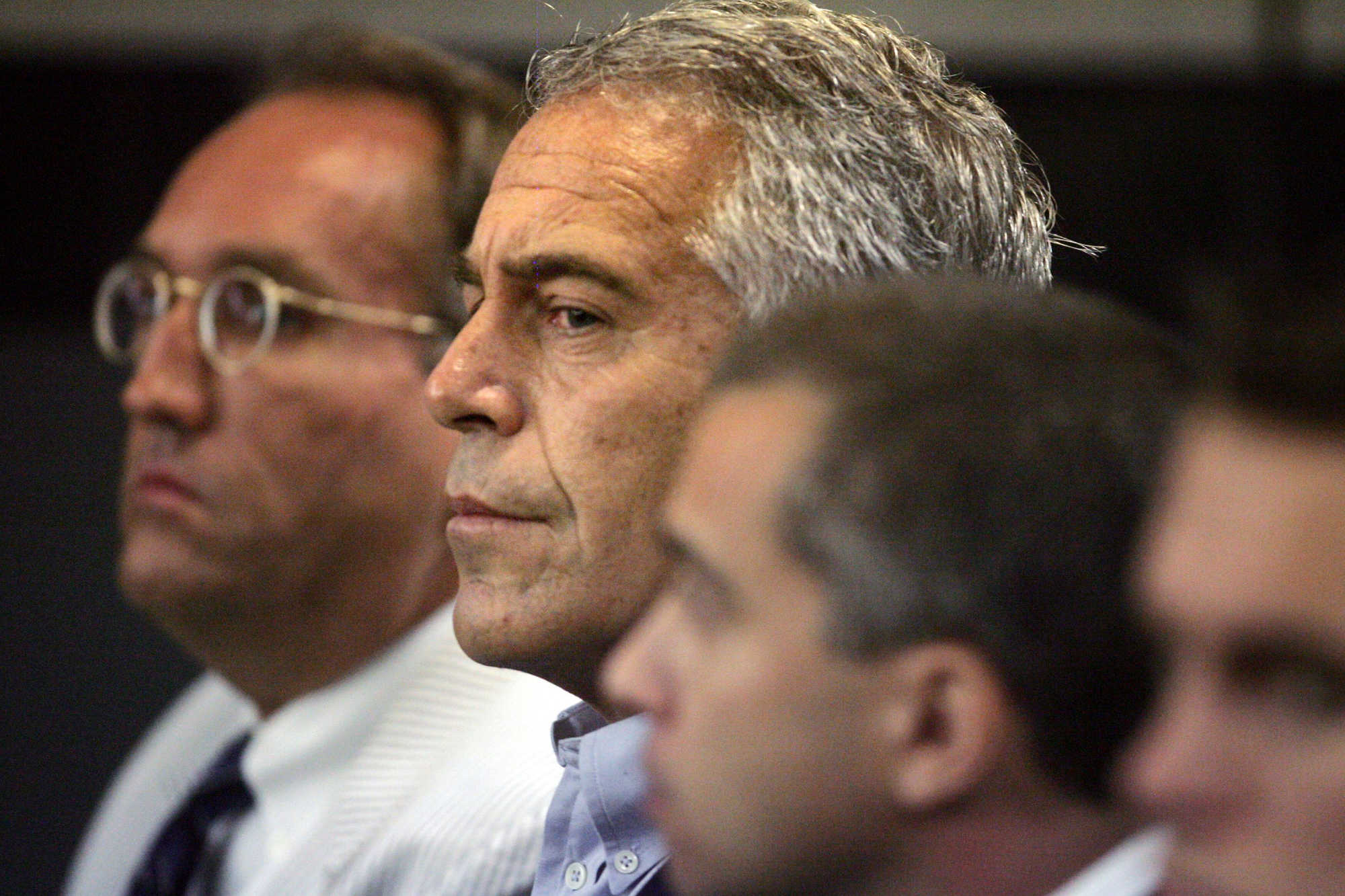
New documents obtained by the Associated Press have provided a detailed psychological profile of financier Jeffrey Epstein's last days in a Manhattan jail cell, revealing his struggle to adjust to prison life and casting fresh light on the circumstances leading to his death.

Epstein, accused of sex trafficking and conspiracy, was discovered dead in his cell at the Metropolitan Correctional Center on August 10, 2019. In the run-up to his death, the multimillionaire complained about the harsh realities of his incarceration, contrasting starkly with his former life of luxury. He referred to himself as a "coward" and seemed unsettled by persistent toilet malfunction in his cell. Epstein was under psychological observation following an attempted suicide just days before, but he continuously denied any suicidal ideation.
The AP obtained over 4,000 pages of related documents, including Epstein's health history, internal agency reports, emails, memos, and other records, through the Freedom of Information Act. These documents collectively shed light on Epstein's detention, his death, and its subsequent fallout. Furthermore, the records highlight systematic deficiencies within the Bureau of Prisons, such as chronic staff shortages and complacency, that were significant factors in Epstein's demise.
Among the records are emails expressing frustration at the Bureau's lack of communication following Epstein's death and accusations from a high-ranking Bureau official alleging that news reporters were paying jail employees for inside information.

The documents also unearth an unsuccessful attempt by Epstein to contact another infamous pedophile, Larry Nassar, the U.S. gymnastics team doctor convicted of sexually abusing numerous athletes. This failed connection was discovered when a letter Epstein wrote to Nassar was returned to the jail's mail room after Epstein's death.
In the aftermath of Epstein's death, the Metropolitan Correctional Center was closed in 2021 following intense scrutiny and a subsequent investigation by AP, which uncovered severe operational issues within the Bureau. This closure prompted Epstein's lawyer, Martin Weinberg, to comment on the "medieval conditions of confinement" faced by the inmates.
The documentation also emphasizes the role of Epstein's guards, Tova Noel and Michael Thomas, who were charged with falsifying records to appear as if they were performing required checks. Epstein was left unattended the night he died, a critical breach of protocol.
Epstein's death and the surrounding circumstances have driven changes within the Bureau, including increased surveillance and procedural checks. However, some issues persist, with an ongoing investigation by the Justice Department's inspector general.

The released documents offer insights into Epstein's brief stint in prison, his struggle to adapt, his health issues, and his mindset before his death. Ultimately, these records depict a man grappling with his reality, culminating in a tragic end that has triggered a significant reevaluation of U.S. prison practices.