




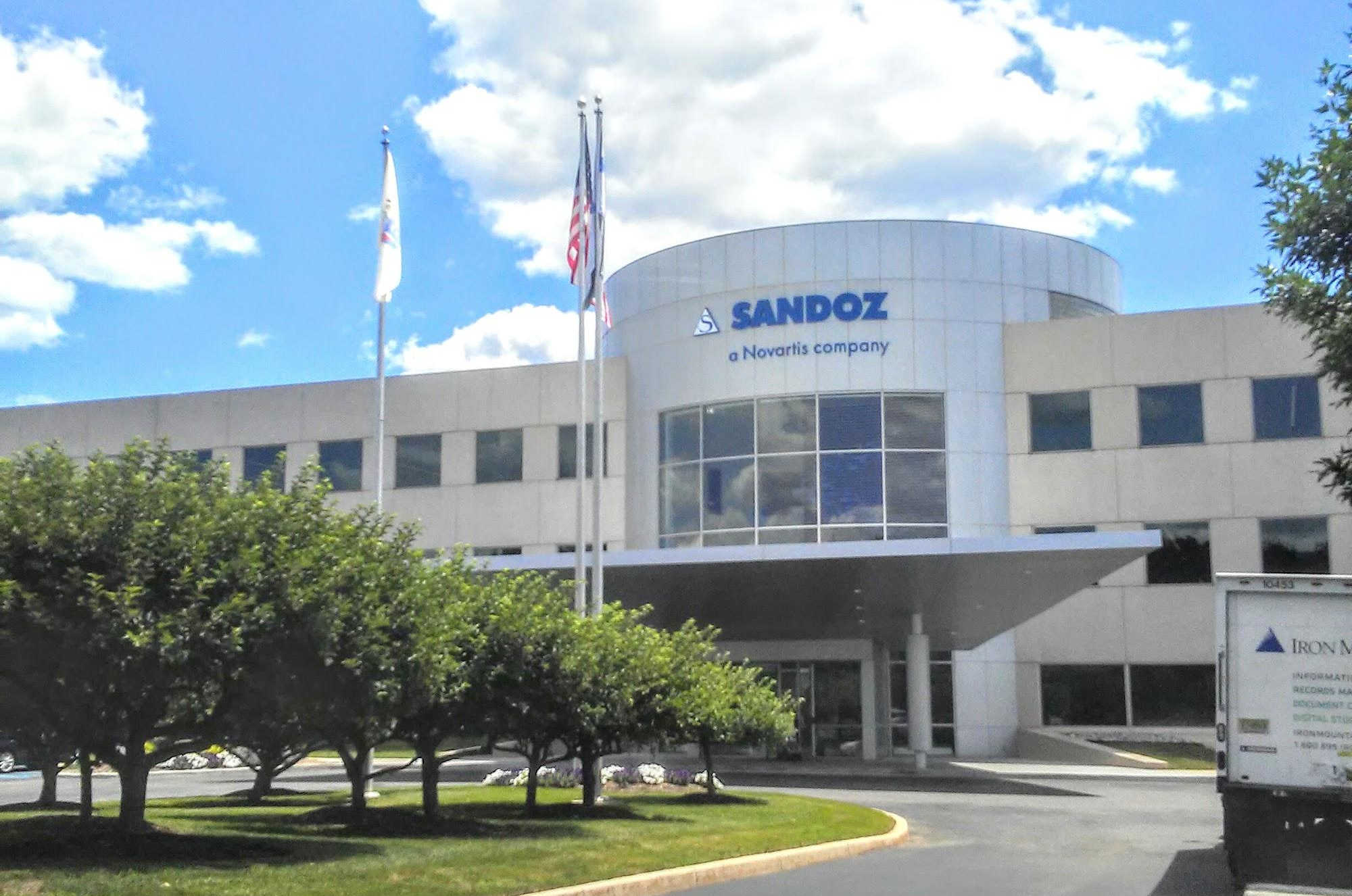
The U.S. Virgin Islands would receive a $165,262.39 allocation under a proposed $400 million settlement with Sandoz Inc. and Fougera Pharmaceuticals Inc., according to documents released by the V.I. Department of Justice. The territory is among 43 states and territories seeking federal court approval of the agreement to resolve allegations of price-fixing and reduced competition in the generic prescription drug market.

A motion for preliminary approval was filed October 1 in the U.S. District Court for the District of Connecticut. The coalition announced an agreement in principle August 3, and all 43 participating jurisdictions have since signed it. Sandoz denies the allegations and admits no liability or wrongdoing under the agreement, which says the company is settling to avoid further litigation expense and burdens.
The allocation worksheet provided by DOJ divides the territory’s proposed share into $15,865.01 for Medicaid, $9,043.84 for non-Medicaid government claims, $1,152.47 in damages enhancement and $139,201.07 in other recoveries under state reimbursement. Those amounts make up the government allocation; compensation for eligible individual consumers would come from a separate consumer restitution fund proposed at approximately $172 million across the settlement.
“The USVI’s share of today’s settlement is $165,262.39. This settlement demonstrates the continued strength of states and territories working together to protect consumers and hold companies accountable. Consumers should never pay more for essential medications because of unfair competition,” Attorney General Gordon C. Rhea said in DOJ’s October 2 announcement.

The $400 million would be paid over seven years and already includes $320,560,180.02 in principal and $79,439,819.98 in interest. The first installment would be due 60 days after final court approval, but no earlier than March 31, 2027. Later installments are listed for March 2028 through March 2033, with each also tied to the corresponding anniversary of the first payment, meaning a delayed initial payment could shift the schedule.
The agreement’s definition of final court approval includes the expiration of the appeal period or resolution of any appeal. Payments would go into settlement accounts, with restitution distributed under a court-approved plan. The schedule therefore does not establish when the Virgin Islands government or an eligible consumer would receive money.
DOJ also cited approximately $469 million in total Sandoz payments to state enforcers. That figure combines this agreement with earlier Sandoz settlements involving other states. The proposed deal would also resolve allegations that Sandoz’s past and present international affiliates, Novartis AG, Sandoz AG and Sandoz Group AG, participated in anticompetitive conduct and transferred assets to avoid liability.
Beyond payment, the agreement provides for a 10-year antitrust compliance period beginning when it was fully signed. Its requirements include a written compliance policy, annual training by outside counsel, a chief compliance officer and separation of pricing decisions from the field sales team. Sandoz would also provide cooperation in the continuing cases against other defendants, including assistance with witnesses, documents and data, subject to the agreement’s limits.
The broader litigation began in 2016. According to DOJ, the first complaint involved Heritage Pharmaceuticals and 17 other corporate defendants, two individual defendants and 15 generic drugs. Former Heritage executives Jeffery Glazer and Jason Malek later entered settlements and began cooperating. A second complaint, filed in 2019, named Teva Pharmaceuticals and 21 other generic drug manufacturers, along with 16 senior executives.
The third complaint, which the states expect to try first in Hartford in February 2027, concerns 80 topical generic drugs and names 26 corporate defendants and 10 individuals. The Consortium reported the Virgin Islands’ participation in that case in June 2020. A fourth complaint filed this year targets Novartis and the Sandoz international affiliates over the alleged conduct and asset transfers.
DOJ said the investigations draw on cooperating witnesses, more than 20 million documents and millions of telephone records involving more than 600 sales and pricing personnel. The complaints allege that competing executives used social gatherings, calls, emails and text messages to coordinate conduct that restrained competition. Investigators also obtained a cooperating witness’s two-volume notebook recording discussions with competitors and internal company meetings over several years.

The Sandoz proposal follows $96.5 million in settlements involving Glenmark, Lannett, Bausch, Apotex, Heritage and Heritage’s parent company, Emcure. A claims process for those earlier settlements opened September 22 for potentially eligible purchases of certain generic drugs between May 2009 and December 2019. The settlement website lists March 8, 2027, as the initial-distribution claims deadline under its Glenmark section, while the Sandoz deadline remains to be determined. DOJ directed consumers seeking eligibility information to the settlement administrator at 1-866-290-0182.