




Government employees in the U.S. Virgin Islands are likely to see higher health insurance premiums in the upcoming fiscal year, as medical claims continue to exceed plan revenues. The update was shared with members of the Committee on Budget, Appropriations, and Finance through a letter from the Government Employee Service Commission (GESC) Health Insurance Board of Trustees. The letter, which outlined the status of ongoing renewal negotiations with Cigna and United Healthcare, was read into the record by Cindy Richardson, director of the Division of Personnel.

According to Ms. Richardson, “both the vision insurance and the life and accidental death and dismemberment plans are in a pricing guarantee for the upcoming fiscal year, in which the premium rates will not change.” However, significant losses in other coverage categories are placing upward pressure on premium rates.
“Through May 2025 the medical claims expenditures are at 112% of the medical plan premiums,” the letter stated. Based on Cigna’s underwriting formula, such losses would typically result in a rate increase of more than 30%. While the insurer initially proposed a 24% increase based on March 2025 data, a later review conducted during a June meeting with the GESC Board found that claims had worsened, pushing the proposed rate hike to 26%.
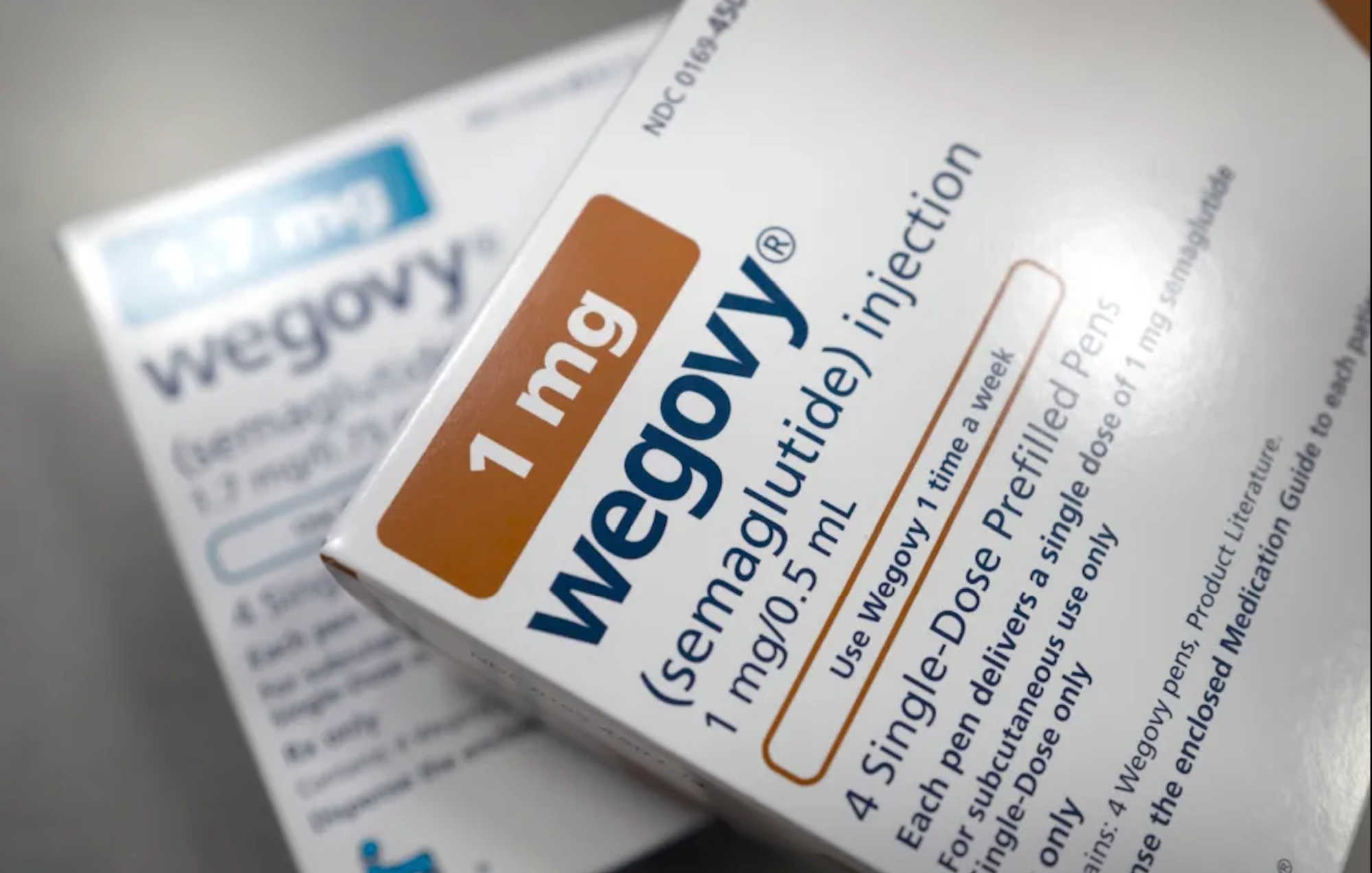
After further negotiations, Cigna agreed to a 19.5% increase without any changes to plan benefits such as co-pays, deductibles, or out-of-pocket maximums. One proposed change could offer additional relief: ending coverage for weight loss medications, which “is costing more than it is saving.” Removing that coverage would reduce the premium hike by 2%, bringing it to 17.5%. “They further clarified that this increase is in line with our claims trending at a 17.7% increase for the current fiscal year,” Ms. Richardson told committee chair Senator Novelle Francis.

Dental claims have also contributed to the rising costs. Claims through May 2025 are at “99% of the dental plan premiums,” which could normally warrant a rate increase of more than 15%. However, a 2023 agreement caps the annual increase at 3%, and the premium for dental coverage will rise by that amount in the coming fiscal year.
“Both Cigna and United Healthcare are indicating that they cannot provide any further rate relief without changing our plans and or reducing the services they provide,” the letter from the Board’s chair noted. The estimated overall increase in benefit costs to the central government is about $30.4 million, for a total of $190.5 million. The Board has pledged to continue working with Cigna to “explore different options for our members to further reduce premiums without significantly impacting their pockets.”
According to Ms. Richardson’s testimony, the proposed FY2026 budget includes $38,210,672 for retiree health insurance and $16,655,891 for the employer/employee share of insurance costs. Currently, employees pay 27% of the insurance cost, while the government covers 73%. The insurance plan covers approximately 25,000 individuals, including dependents.
Senator Angel Bolques Jr. asked whether there were “cost containment strategies or renegotiation plans” under consideration. Ms. Richardson said the Division of Personnel has limited influence beyond promoting wellness programs and encouraging participation. “The only thing that we can do as a division is to promote our wellness activity and encourage participation,” she said. Still, the senator encouraged DOP to “lobby for those efforts to try to control that because it continues to grow and grow, and we usually absorb a lot of that cost here in this institution.”
In a release issued Thursday evening, Governor Albert Bryan Jr. urged the Legislature to collaborate with his administration on solutions to the looming insurance cost increases. Government House said Mr. Bryan reached out to lawmakers as early as May, encouraging them to convene a hearing or special session to begin discussions. He emphasized the need for cooperative action.
“This issue affects thousands of Virgin Islanders and places serious strain on our finances,” said Mr. Bryan. “I could call a special session, but this situation calls for cooperation. I am asking the Legislature to meet us at the table and help develop solutions.”
He stressed that the urgency is not just fiscal. “This is not only about dollars. It is about making informed decisions that reflect the needs and priorities of our people,” the governor stated. “We must act together to prevent greater strain on employees and the public budget.”

Government House also expressed concern that the Legislature has not yet addressed the issue. “It is troubling that this issue continues to be overlooked while energy is spent on less urgent matters,” Mr. Bryan said. “The longer we wait, the more difficult and costly it becomes.”