




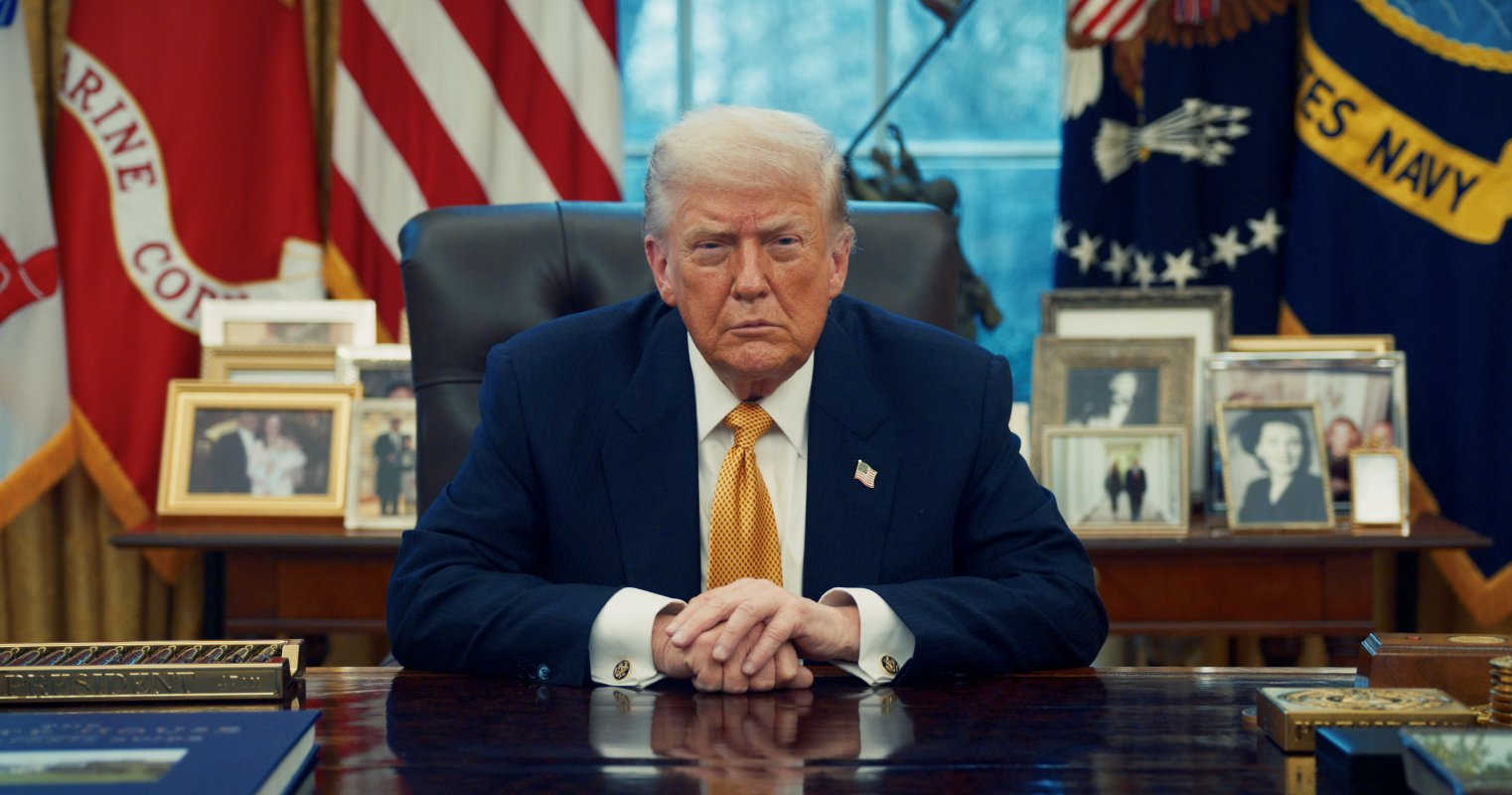
President Donald Trump on Thursday unveiled what he described as his “Great Healthcare Plan,” outlining a renewed push to reshape how federal healthcare subsidies are distributed by shifting them away from insurance companies and directing them instead to American patients.
The proposal was introduced in a video posted to social media and accompanied by a White House fact sheet. According to the administration, the plan is designed to lower prescription drug costs, reduce insurance premiums, increase price transparency, and hold insurance companies more accountable, while giving consumers greater control over how healthcare dollars are spent. Central to the initiative is the replacement of government subsidies paid to insurers with direct payments to individuals, a change the White House says would empower patients by bypassing large corporations and special interests.
The fact sheet released by the White House describes the plan as an effort to make healthcare more affordable for all Americans, emphasizing that direct subsidies would allow consumers to make more informed decisions and potentially shop for better prices across the healthcare system. The administration argues that greater transparency would enable patients to better understand costs and compare options, while increased accountability for insurers could help curb rising expenses.
The proposal arrives as Congress continues to debate the future of Affordable Care Act subsidies. Earlier this month, the U.S. House of Representatives passed legislation to extend enhanced premium tax credits that expired at the end of 2025, but the measure has not yet advanced in the Senate. Lawmakers remain divided, leaving millions of Americans facing higher premiums as negotiations continue.

Administration officials have expressed optimism that the plan could receive bipartisan support in Congress, though they have acknowledged that it lacks detailed explanations on implementation and funding mechanisms. The White House has urged lawmakers to prioritize the proposal in the new legislative session, noting that congressional approval would be required for the plan to become law.
As part of the rollout, Mehmet Oz, who serves as chief of Medicare and Medicaid, hosted a press call to discuss the contents of the fact sheet. During that briefing, the administration reiterated its position that directing support straight to patients, rather than insurers, would better address long-term affordability and consumer choice.
Some healthcare experts have noted that elements of the proposal echo ideas previously advanced by Trump, including efforts to lower drug prices and promote health savings accounts. At the same time, critics have questioned whether the plan sufficiently addresses immediate pressures, such as current spikes in insurance premiums, and have raised concerns about the absence of comprehensive policy details.
Supporters of the proposal say redirecting funds from insurers to patients would fundamentally rebalance the system in favor of consumers. Others caution that such a shift could disrupt coverage for lower-income Americans who currently rely on insurer-based subsidies, particularly if the transition is not carefully structured.
The plan also includes a renewed focus on prescription drug pricing, with the administration stating that Americans should no longer pay higher prices for medications than patients in other countries. According to the White House fact sheet, the proposal would build on earlier efforts to align U.S. drug prices with those paid internationally, an approach intended to prevent Americans from paying among the highest prescription costs in the world. The administration described this component as part of a broader strategy to lower drug prices, increase affordability, and shift savings directly to patients rather than insurers or pharmaceutical intermediaries.
Whether a proposed replacement to the Affordable Care Act, such as former President Donald Trump’s “Great Healthcare Plan,” would apply to the U.S. Virgin Islands would depend on how the plan is structured in law. Historically, federal health programs do not automatically extend to U.S. territories unless Congress explicitly includes them. Absent clear statutory language authorizing territorial participation, a new national healthcare framework could leave the USVI in the same position it occupies today, excluded from full program access despite paying federal taxes. Inclusion would require deliberate congressional action to extend eligibility, funding mechanisms, and administrative structures to the territories.

The White House has not announced a specific timeline for legislative action but has said it plans to brief members of Congress on the proposal in the coming weeks. The plan marks a renewed healthcare reform push by Trump, an issue that featured prominently in his past campaigns and continues to shape debates in Congress over healthcare costs, subsidies, and access.