


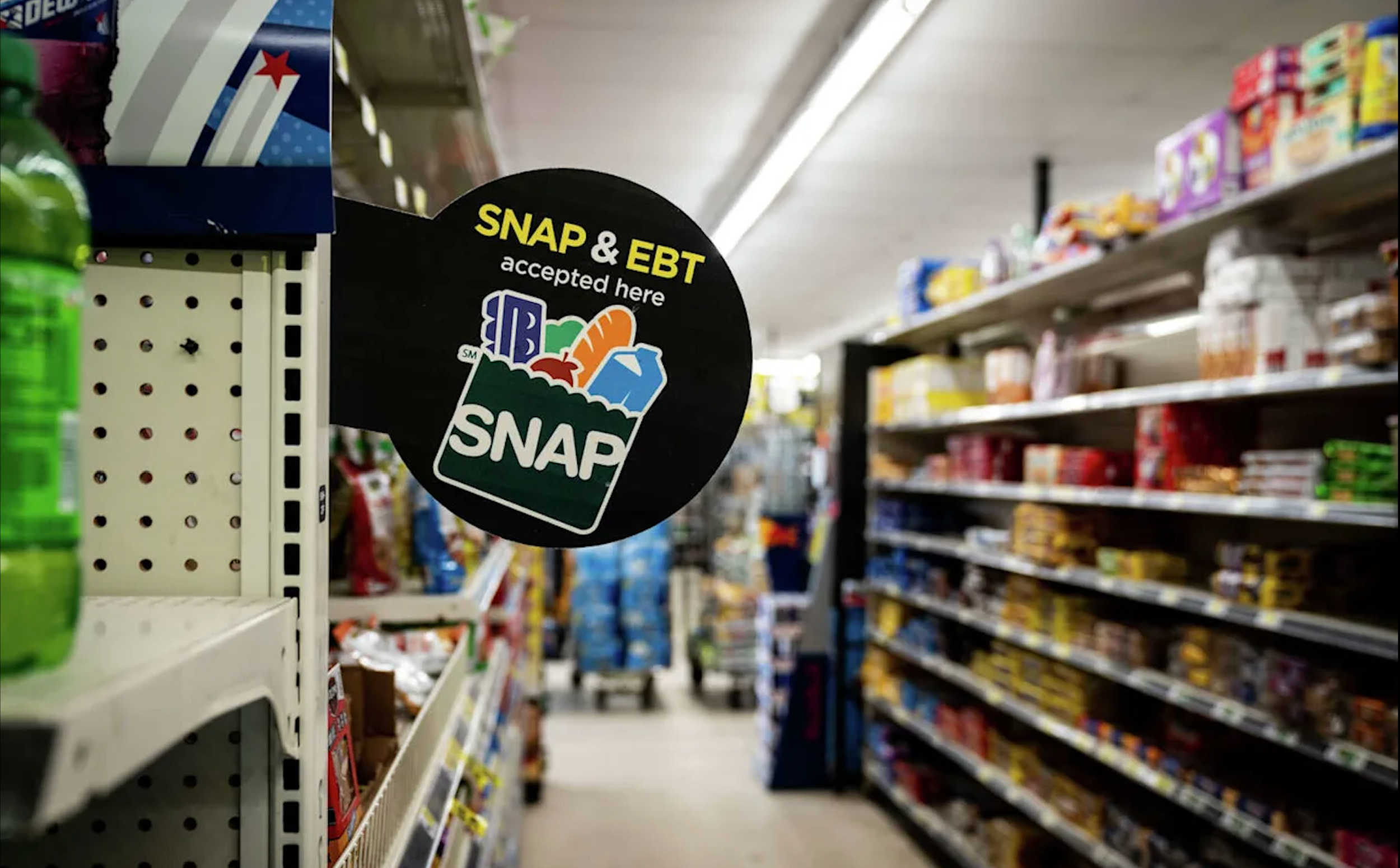
Unhoused residents of the Virgin Islands will have to meet work requirements in order to continue receiving uninterrupted benefits under the Supplemental Nutrition Assistance Program.

During Friday’s meeting of the Continuum of Care Council on Homelessness, representatives from the Department of Human Services reminded participants that new regulations governing SNAP eligibility have gone into effect in the territory as of November last year.
People who are considered able-bodied adults without dependents are only able to receive three months of SNAP benefits within a 36-month period, unless they perform 80 hours a month of some kind of productive activity, whether volunteering or doing paid work. This change impacts a significant section of the Virgin Islands population, DHS representatives noted.
Previously, homeless people, veterans, and those 24 or younger who were in foster care at age 18 were exempt from these requirements. However, passage of the Big, Beautiful Bill last summer eliminated those exceptions.
Federal officials have said the changes are intended to promote workforce participation and reduce long-term dependency on public assistance among able-bodied adults without dependents. The U.S. Department of Health and Human Services and the Trump administration have argued that work requirements encourage employment, volunteering, or job training participation, while preserving SNAP resources for the most vulnerable populations. Supporters of the measure contend that aligning benefits with work activity strengthens accountability within federally funded programs and supports broader labor force engagement goals.
DHS Commissioner Averil George indicated that the department would soon be embarking on an outreach program to educate these cohorts about the SNAP eligibility changes. Apart from utilizing radio and other broadcast platforms, “we have to find a way to go to the shelters where individuals are staying to inform them as well,” she noted.
Ms. George disclosed that while the agency she leads has been able to forestall many of the negative impacts of the Big Beautiful Bill for this long, “It has reached a point now where we have to come in compliance with the federal government and what their mandate is.” Acknowledging that the changes to many social assistance programs are “going to affect a lot of people in our community,” she nevertheless explained that the situation was out of their hands. “This is not an initiative or implementation by DHS, this is something that we have to follow for our programs that are being administered," she said.

The DHS commissioner anticipated some amount of backlash from the community. “We are going to get some licks on it in regards to not being able to serve a lot of people in the community. But at the same time, DHS has a mandate to follow and the funding comes from the federal government.” She expressed regret that her department would no longer be able to provide the same level of assistance to vulnerable Virgin Islanders. “It’s sad, but it’s something that we are obligated to do…it hurts when it affects people in your community.”