

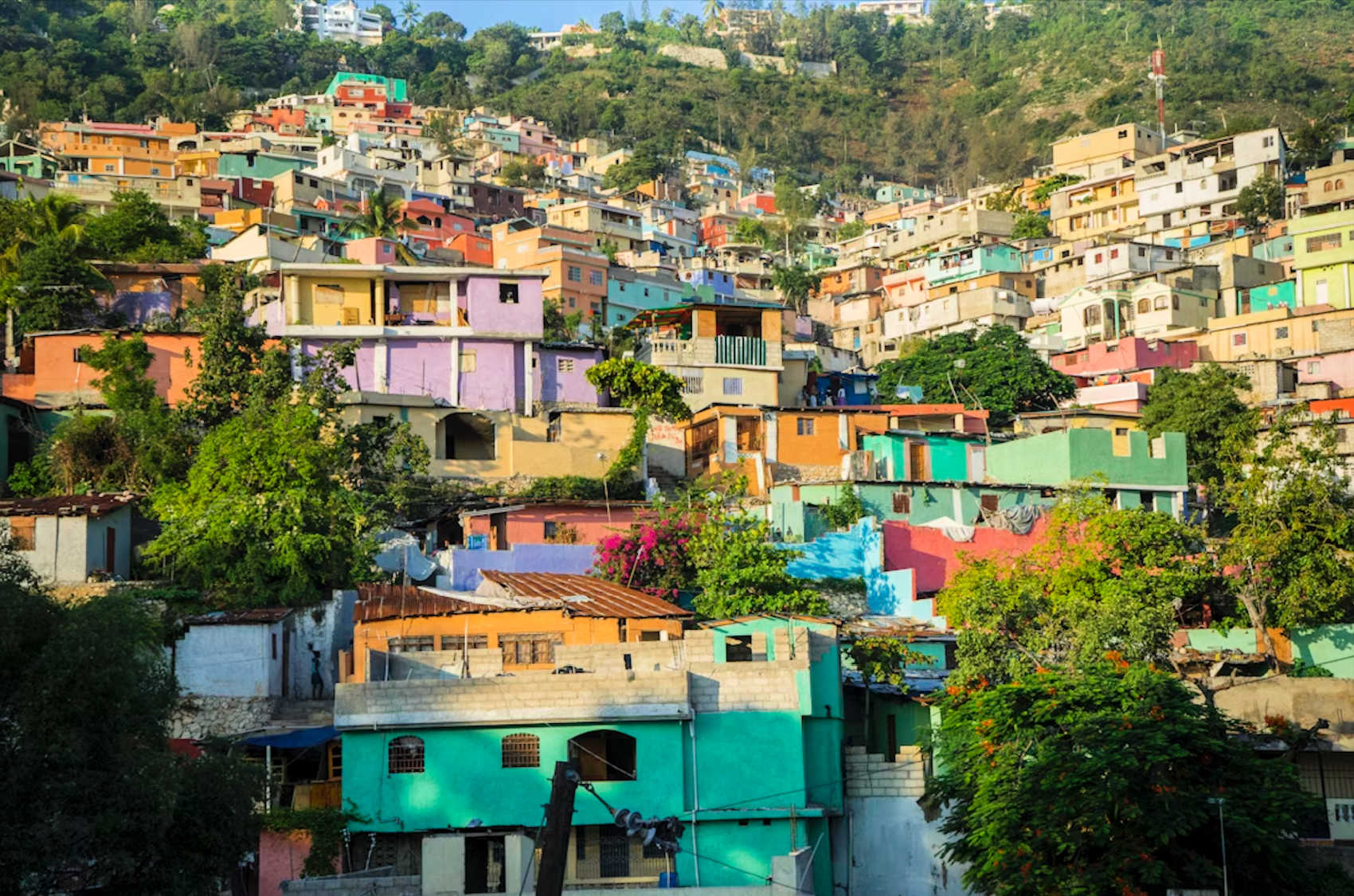
Port-au-Prince, Haiti.
Starting next Monday, nationals of Haiti and 11 other countries will no longer be able to travel to the United States.

On Wednesday, President Donald Trump ordered a full travel ban on Afghanistan, Burma, Chad, Republic of the Congo, Equatorial Guinea, Eritrea, Haiti, Iran, Libya, Somalia, Sudan, and Yemen. New travel visas will not be issued for nationals of these countries.
Meanwhile, nationals of Burundi, Cuba, Laos, Sierra Leone, Togo, Turkmenistan, and Venezuela will not receive tourist, business or student visas, under a partial ban.
President Trump cited national security concerns as the reason for the ban. “Nationals of some countries pose significant risks of overstaying their visas in the United States, which increases burdens on immigration and law enforcement…and often exacerbates other risks related to national security and public safety,” the president's declaration said.
With regards to Haiti, President Trump cited a visa overstay rate of over 31% when it came to B-1/B-2 tourist visas, with other visa categories including F, M, and J reporting an overstay rate of 25%. He also cited Haiti's inability to assist in adequately vetting visa applicants due to the lack of “a central authority with sufficient availability and dissemination of law enforcement information necessary to ensure its nationals do not undermine the national security of the United States.”

The ban echoes similar policy decisions made in President Trump's first term. After several alterations and adjustments in the face of fierce legal opposition, his authority to control immigration was largely upheld by a 5-4 Supreme Court decision in 2018.


Advertisements