



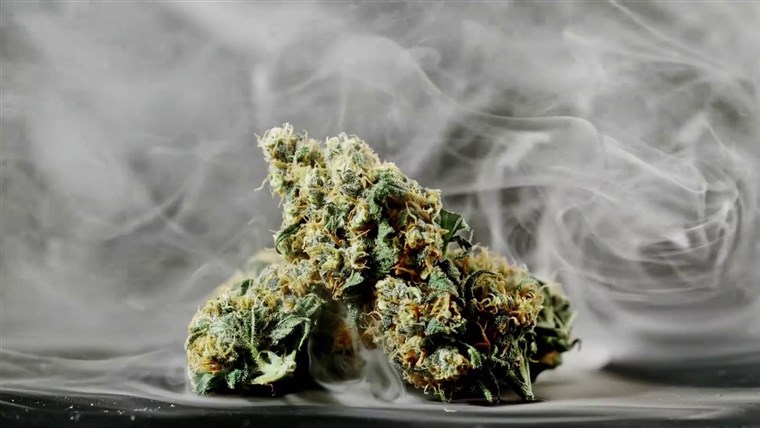
The Trump administration on Thursday took one of the biggest federal steps in decades to loosen restrictions on medical marijuana, moving state-licensed medical marijuana and FDA-approved marijuana products from Schedule I to Schedule III under federal drug law.

The change does not legalize marijuana nationwide. Recreational marijuana remains illegal under federal law, and the action stops well short of a full overhaul of national cannabis policy. Still, the move is expected to ease some of the most significant barriers facing the medical marijuana industry, particularly in research, taxation and access to financing.
Acting Attorney General Todd Blanche signed the order, according to federal officials and multiple national news outlets. The administration said the shift is intended to expand access to medical treatment options and improve the government’s ability to study marijuana’s safety and effectiveness.
The reclassification is significant because Schedule I is reserved for drugs the federal government considers to have no accepted medical use and a high potential for abuse. Schedule III covers substances considered less dangerous and recognized as having medical use. Moving medical marijuana into that lower category changes how it is treated under federal law, even though it does not make it federally legal in the same way as ordinary prescription drugs.
For the cannabis industry, one of the biggest immediate effects is financial. The change is expected to ease the tax burden on state-licensed operators by removing them from the reach of Section 280E of the federal tax code, which has long prevented businesses dealing in Schedule I and II substances from taking standard business deductions. Industry leaders told Reuters that the change could free up money for growth, hiring, research and operations.
The move is also expected to make medical marijuana research easier. For years, researchers, doctors and advocates have argued that marijuana’s placement in the federal government’s most restrictive drug category made serious clinical study more difficult than it needed to be. The new classification lowers those hurdles, though it does not erase all federal restrictions.
The administration is also opening a broader review of marijuana’s federal status. Federal officials said an expedited hearing is being set to consider wider rescheduling, meaning Thursday’s action may be the start of a larger policy process rather than its final phase.
The move follows a December executive order from President Donald Trump directing the government to push the matter forward. In explaining the decision, Blanche pointed to the growth of structured state medical marijuana systems, arguing that those programs show marijuana is no longer being treated solely as a prohibited substance with no medical role.
That state-level expansion has been central to the national policy debate. Medical marijuana is now legal in most states in some form, while many states have also approved recreational use. But federal law has continued to lag behind that shift, leaving businesses, patients, regulators and financial institutions operating in a patchwork system shaped by conflicting state and federal rules.
Reaction to Thursday’s move was mixed. Supporters called it long overdue and said marijuana should never have remained in the same federal category as heroin. Critics argued that the administration was softening federal policy without fully resolving concerns about abuse, public health and enforcement.

For now, the administration has clearly moved to loosen federal restrictions on medical marijuana, but not to legalize marijuana outright. The bigger questions — including broader rescheduling, criminal justice consequences, banking access and the future of recreational cannabis under federal law — are still ahead.


Advertisements