

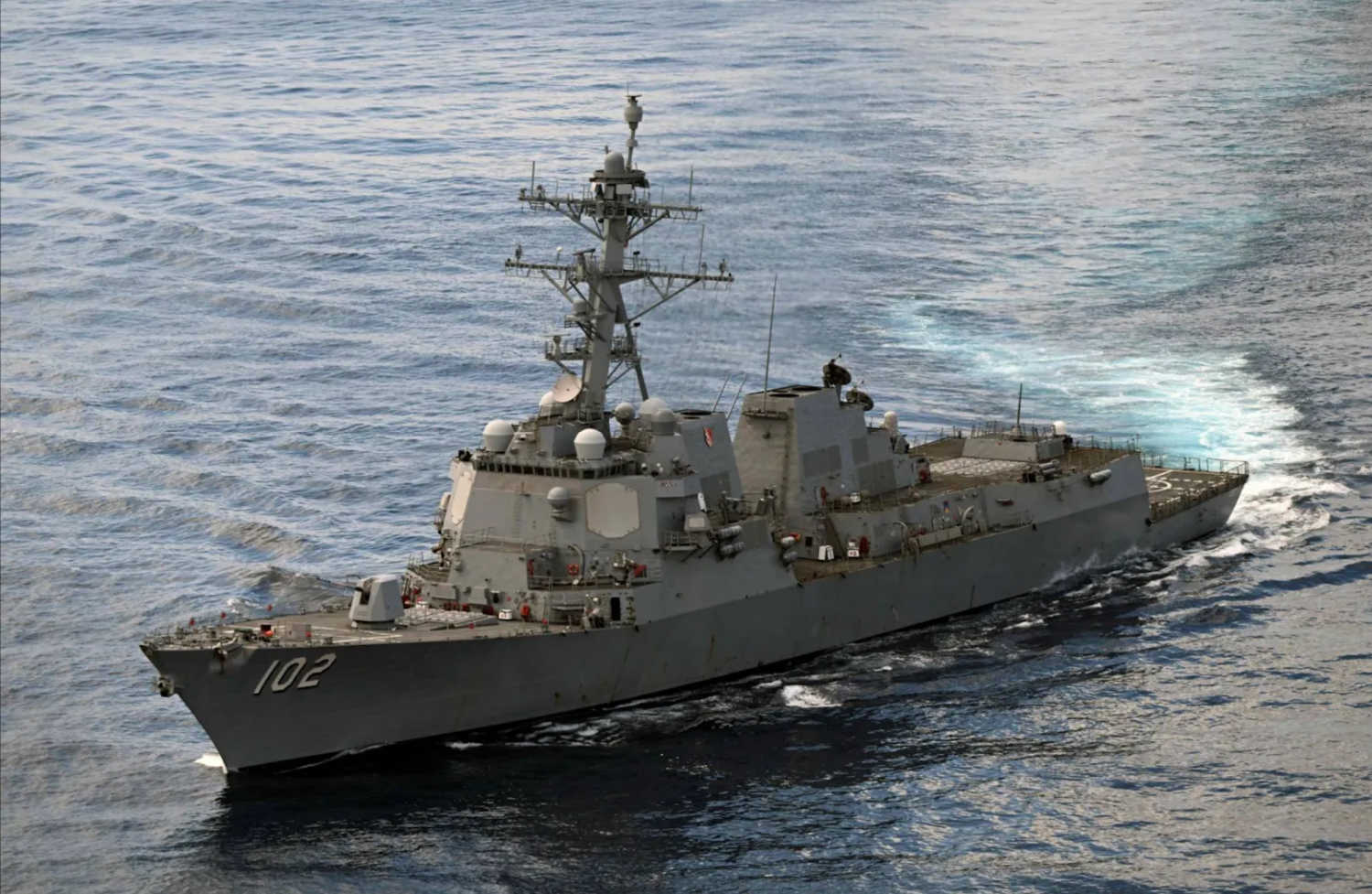
U.S. military personnel assigned to President Donald Trump’s stepped-up drug-interdiction mission in the Caribbean are set to use the PHRT Village—better known locally as the “Man Camp”—as housing on St. Croix, according to people with knowledge of the arrangements. The stateside call that kicked off the local preparations came from the U.S. Air Force a few weeks ago, the sources said, and the St. Croix lodging request is part of a broader push to tighten maritime interdictions across the region.

Behind the scenes, planners described a joint footprint that includes Marines, Navy and Air Force elements. Surface vessels will handle maritime stops while surveillance aircraft circle and direct intercepts at sea. The deployment envisions about 4,500 troops spread around the Caribbean, with a U.S. submarine operating near Trinidad and Tobago, which is very close to Venezuela. Additional staging is likely in Puerto Rico, bringing to bear a regional show-of-force posture to pressure Venezuela.
Last week, Governor Albert Bryan Jr. voiced support for the deployment of American naval vessels to the southern Caribbean, an operation aimed at curbing the flow of narcotics from South America, particularly Venezuela. “If we could stop this flow of drugs to our shores, why wouldn't we be for that?” he said. Bryan explained that heightened law enforcement along the U.S. southern border has forced traffickers to rely more heavily on Caribbean routes. “Along with the cocaine comes a lot of bad actors, murder and a lot of things we don't want,” he noted. “So I am for it.”
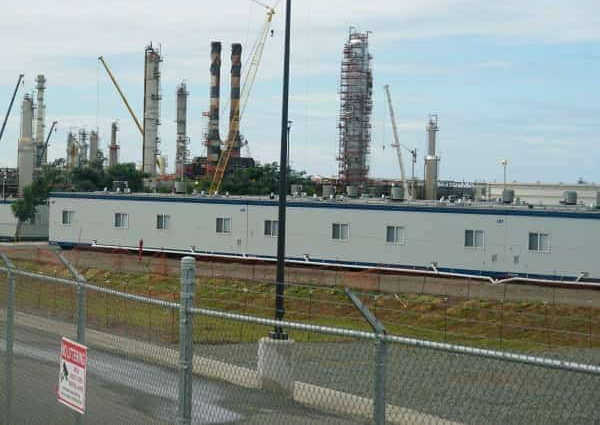
The PHRT Village, also known as the Man Camp, at the south shore refinery and terminal facility. (Credit: V.I. Consortium)

Acknowledging that some may have concerns about the president’s broader use of military forces, Bryan pointed out that Virgin Islands leaders have long sought federal assistance with drug interdiction. “Every single year we go to D.C., we beg for more Border Patrol, we beg for more Coast Guard, we beg for more ICE agents, because we are a very porous border,” he said. Beyond security benefits, Bryan added that the increased military presence would also bring economic activity to the territory. “I understand we have some soldiers staying here in St. Croix as well too,” he said. “I am for it…. If you want to put two or three hundred soldiers here in St. Croix as part of that initiative, they gotta eat, drink and make merriment in our community. We are happy to have them.”
As of Tuesday, about 60 troops had already moved into the Man Camp, with the number expected to roughly double in the days ahead, according to information obtained by the Consortium.
The stepped-up activity on St. Croix has created some confusion with an unrelated visit by Kentucky Air National Guard personnel. People with knowledge of the plans said that unit is on a separate training mission — which ends on Sept. 4 — and not part of the interdiction surge.
Those familiar with the St. Croix deployment said the local mission is tightly focused on intercepting narcotics shipments traveling by boat toward the United States. They added that the maritime operations are also likely to encounter migrants making the journey by sea from Haiti, the Dominican Republic, and other parts of the region—an expected byproduct of the effort.
The broader policy backdrop has come into sharp relief over the past month. In mid-August, Reuters reported that the United States ordered air and naval forces—including an amphibious squadron and, in total, seven warships plus a fast-attack submarine—toward the southern Caribbean as part of a campaign aimed at Latin American drug cartels. The movements have driven up tensions with Caracas as U.S. officials publicly tied the deployments to cartel threats linked to Venezuela.
Earlier in the year, the Trump administration designated several criminal organizations—including Venezuela’s Tren de Aragua—as terrorist groups and expanded sanctions authorities meant to disrupt their finances. Treasury followed with sanctions against gang leaders in July. Legal challenges have trailed some of the administration’s more aggressive immigration tools, including attempts to use the Alien Enemies Act against alleged gang members.
The operational drumbeat continued this week. On Sept. 2, President Trump used Truth Social to announce that U.S. forces had carried out a “kinetic strike” on a drug-smuggling vessel in international waters tied to Tren de Aragua, saying the action “resulted in 11 terrorists killed in action” and that no U.S. personnel were hurt. Major outlets subsequently reported the strike and its link to Venezuela.