



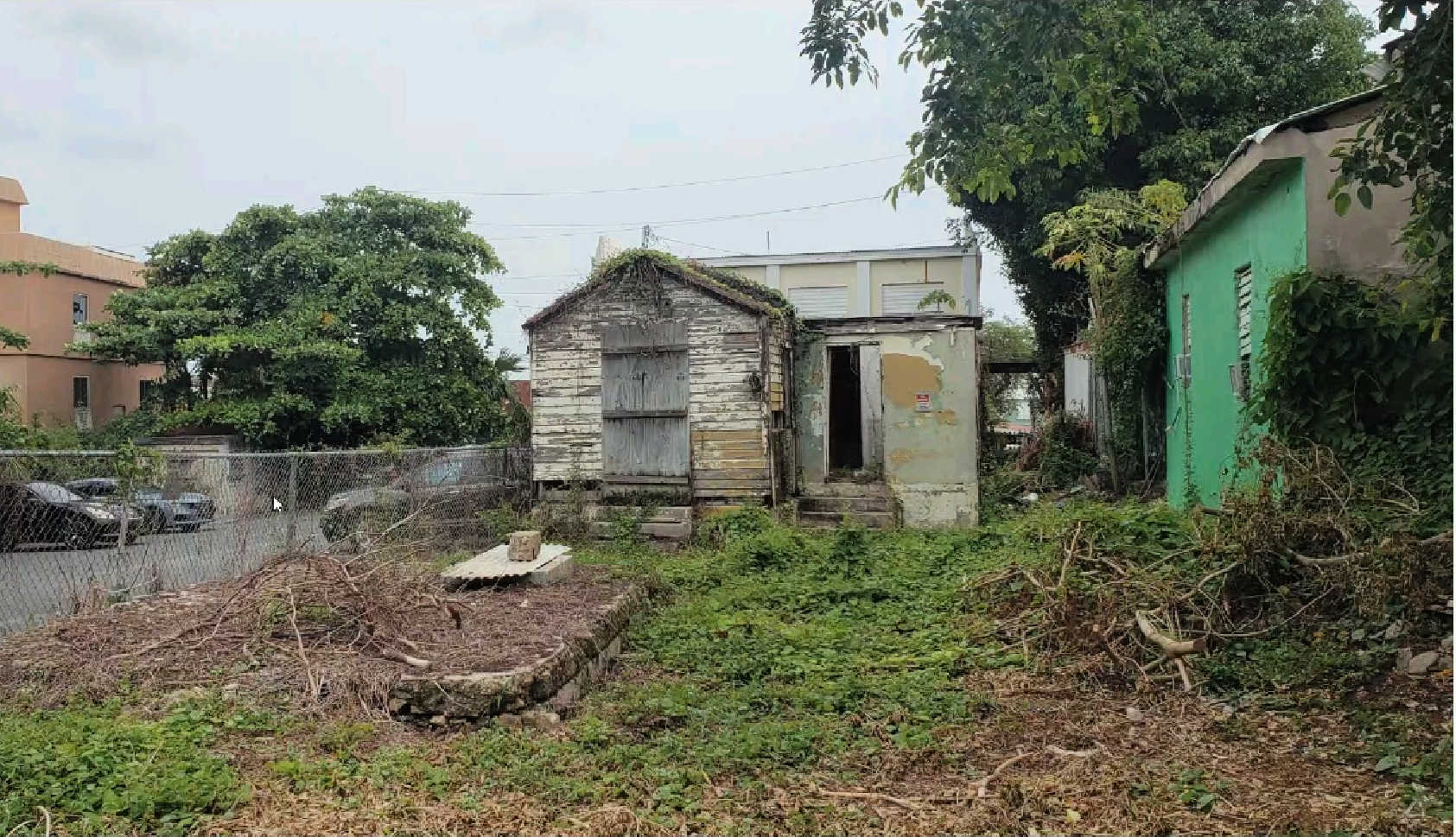
A request to demolish a deteriorating Christiansted structure was put on hold by the St. Croix Historic Preservation Committee last Tuesday, as members encouraged the property owner to explore preservation options instead. The decision came during a meeting where Antonio O’Reilly, who inherited the property from his late mother, sought permission to tear down the aging building to make way for a modern family home.

“The demo will allow me to complete a fresh start to design a new home that will fit me and my family lifestyle,” Mr. O’Reilly told committee members. He described the current condition of the building as unsafe, noting it had been subject to vandalism and drug use by trespassers. “I'm a little worried about the fire hazard with that,” he added. He also cited health concerns, suggesting the building “probably has asbestos as well as old lead pipes.”
While O’Reilly viewed the structure as beyond repair, State Historic Preservation Office Director Sean Krigger offered a different perspective. “You inherited a legacy from your mom, and she inherited that from somebody else, but you also have a semi-clean slate,” Krigger said.
He pointed out that the building’s location on the lot allowed for new construction at the front of the property. “You got the opportunity to develop a new building in front…you could do a driveway along the eastern side,” Krigger suggested, noting that current zoning permits up to three stories on new buildings. The existing structure, he added, could be rehabilitated to create up to four residential units.

Krigger further emphasized potential tax benefits and funding opportunities available for rehabilitation projects, citing nearby developments that had received financial support through his office. “There’s a lot of incentives to rehab,” he said. “Your existing cottage, it’s in bad shape and needs to be fixed, but it’s nothing that you couldn’t work with…there’s a lot of heritage there.”
Following a discussion that also touched on parking logistics, committee chair Collette Woodson Burgess proposed a site visit to better assess the situation. Committee members agreed and placed the demolition application on hold pending that visit.
In the same meeting, the Committee also addressed a color scheme proposal for a Hill Street restoration project submitted by Vivian Ebbeson-Fludd, who told members her family had owned the property for more than 200 years. Her ongoing restoration effort, nearly two decades in the making, was nearing its final stages, with paint color approval one of the last remaining steps.
Ebbeson-Fludd proposed a palette of red shutters, white trim, and a tawny wall color called “gingersnap.” Committee members suggested a variation: using the gingersnap color on the masonry base and a lighter shade on the wood siding above, creating a two-tone effect. They then reviewed and approved additional accent colors for trim, gingerbreading, and hardware, ultimately approving the application.
A visibly moved Ebbeson-Fludd shared the personal importance of the project. “He asked me some 20-something years ago, please make sure you get this place repaired,” she said, referring to a request made by her late father. His words remain vivid: “I don't ever want you all to pass here and say this is something you used to own.”

With exterior painting now cleared for completion, she said, work on the interior of the structure will soon begin.