

Senator Angel Bolques Jr. has walked back portions of his public critique of the V.I. Consortium’s August 4 article on WAPA’s selection of Empire Gas, acknowledging in an interview with the publication that the “concerns” cited in his letter to WAPA were based on public information, not internal disclosures—and stating that he was not alleging wrongdoing by WAPA, despite calling for the fuel contract to be paused due to risk of blackouts.

Following the Consortium’s reporting on the Empire Gas deal and the serious allegations outlined in Bolques’s July 30 letter to WAPA Board Chair Maurice Muia and CEO Karl Knight, the senator issued a statement suggesting the publication had mischaracterized his letter and urging “care and accuracy in reporting.”
But in a follow-up interview with the Consortium, Bolques walked back key elements of his own letter—clarifying that Empire Gas did not receive proprietary information from WAPA, as his letter strongly implied, and softening earlier claims about the company’s lack of relevant experience.
In his July 30 letter, Bolques warned that Empire Gas had been “allowed to view the pricing and technical terms of all competing bidders before submitting its own offer, giving it an unfair and improper competitive advantage.” He also wrote that Empire “did not participate in the original round of bidding,” and submitted a proposal “after the published deadline,” violating procurement standards outlined in the original RFP.

In response to the Consortium’s inquiry, Bolques insisted he was merely relaying concerns from constituents, not making formal accusations. “These are concerns that were raised to me by stakeholders and constituents related to the matter,” he said. “I explicitly do not accuse any individual or entity of any wrongdoing.”
But when pressed by the Consortium, Bolques admitted that the “concerns” outlined in his letter—including claims that Empire Gas submitted its proposal after the deadline and with knowledge of other companies’ bids—would amount to serious procurement violations if true. Yet he continued to insist that his letter did not make allegations, even as he called for the contract to be paused and warned of potential blackouts if the deal moved forward. This contradiction—raising what are plainly allegations while claiming otherwise—undermines the senator’s attempt to reframe the letter as a neutral request for information.
Despite his insistence that the letter merely sought “clarification,” Bolques’s call to action was unequivocal. He urged the WAPA board to suspend the Empire Gas contract, warning of “serious risks including the threat of fuel supply disruptions that could result in blackouts and emergency shutdowns.” Such a dire appeal, rooted in claims of procedural failure and vendor inadequacy, further confirms that the letter functioned as more than a neutral inquiry—it was a formal expression of doubt about the legitimacy of the procurement process and the competence of the selected supplier.
One of the most critical clarifications in the interview came when Bolques explained how Empire Gas may have accessed competing bids. The original letter appeared to suggest that Empire had been provided access to proprietary bid information by WAPA. But in the interview, Bolques said that the information was already publicly posted—available to any party that chose to review it. “Technically speaking, Empire would have had an opportunity to see the bids of the previous or the other LPG suppliers…and submit a bid,” he said. “That’s my understanding.”
While Bolques maintained that entering the bidding process after such disclosures raised fairness issues, he conceded that Empire did not receive special access from WAPA.
In his original letter, Bolques challenged Empire’s qualifications, stating that the company “lacks any verifiable history of delivering propane through maritime channels,” and that it relies on a third-party supplier, Geogas, which declined to participate in the RFP. He wrote that Empire had “never owned, operated, or chartered maritime vessels for the transport of LPG” and lacked emergency response infrastructure necessary in a hurricane-prone region.
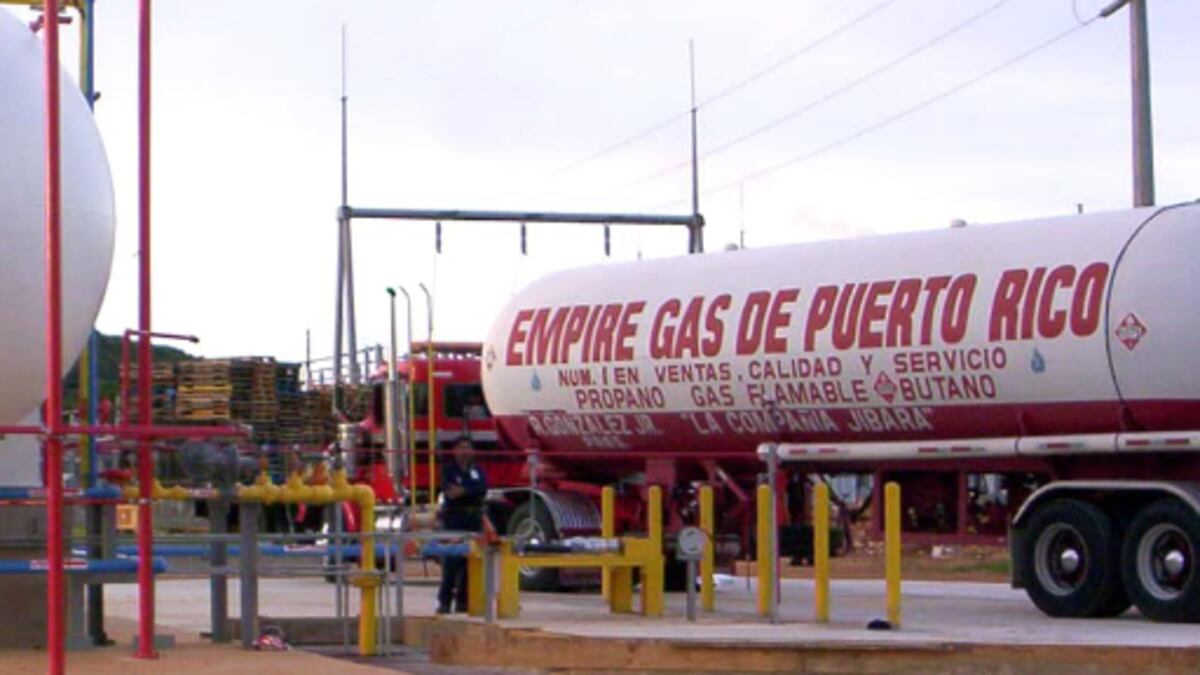
However, during his interview with the Consortium, Bolques distanced himself from the tone of those statements. When asked whether Empire Gas’s long history of service in Puerto Rico—a much larger and more complex market—was sufficient experience, Bolques responded, “I have no problem with the company. I know that they’ve been in existence since 1967.”
Pressed further on why a company that controls 75% of the retail LPG market in Puerto Rico might not be qualified to serve the Virgin Islands, Bolques reiterated that his concern was with the process, not the vendor itself. “I’m not against the company directly. I’m concerned about the concerns that were raised to me on how their selection was handled,” he said.
Despite the clarifications and his admission that he does not claim any laws were broken, Bolques doubled down on his call for a suspension of the Empire Gas contract. “If they really go through with this, we [are] in some hard times,” he said. “They are not a LPG provider. They’re just a middleman. And if we're going in that direction, we're going [to] see a lot more blackouts.”
He also confirmed that three board members voted on the deal, with two opposed and one abstaining. “They have their reasons,” he said, adding that he had spoken with all involved.

The V.I. Consortium stands by its reporting on the contents of Bolques’s letter and the questions it raised. In fact, many of the concerns Bolques sought to “clarify” in his public statement are now fully affirmed in his own words—offered not just in a letter to the WAPA Board, but in his call for immediate action and in direct confirmation of the risks he believes the territory may face if the Empire deal moves forward.