

African swine fever has not been detected in the United States or its territories, a U.S. Department of Agriculture official told The Consortium Thursday, as the agency renewed its warning against carrying prohibited pork products during the holiday travel season.

“We have not detected African swine fever in the United States or the territories, so that is good news,” said Jesús Soto, an animal health technician with USDA Veterinary Services. He said the agency continues surveillance on farms and at slaughter facilities to protect pig producers on the mainland, in Puerto Rico and in the U.S. Virgin Islands.
The disease has been detected in nearby Haiti and the Dominican Republic. USDA established a protection zone covering Puerto Rico and the Virgin Islands in September 2021, intensifying surveillance and imposing controls on the movement of swine and pork products from the territories.
African swine fever is a “very contagious and deadly virus,” Mr. Soto said. It does not infect people, but threatens domestic and wild pigs and the farmers and businesses that depend on them.

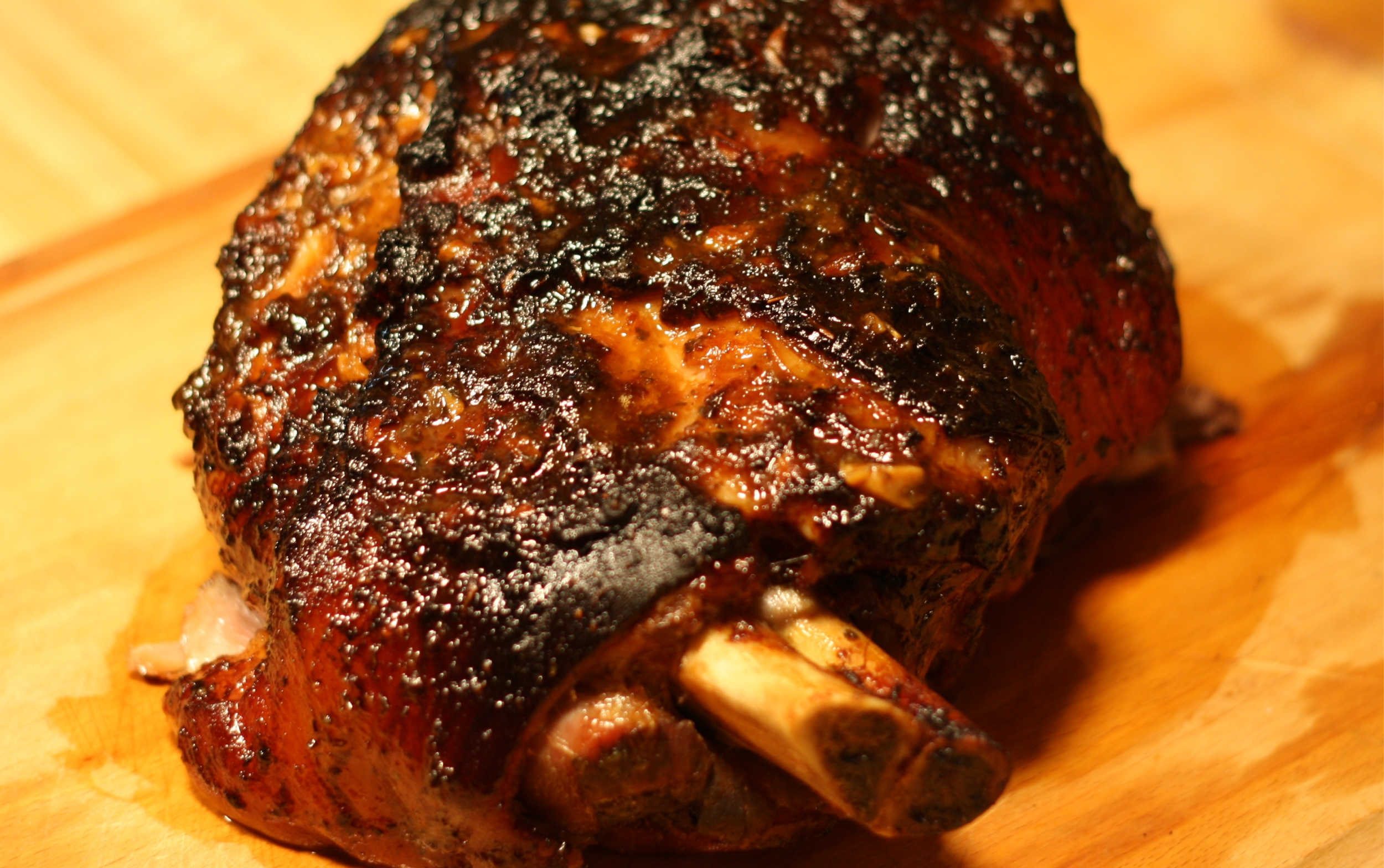
With holiday gatherings approaching, Mr. Soto urged travelers to leave pork dishes behind rather than pack them in luggage or ship them to the mainland. He identified foods including ham, hot dogs, pernil, lechón asado and pasteles as potential carriers when contaminated.
“Do not pack the pork,” he said. “Please pack the recipe. Bring the recipe back.”
USDA traveler guidance says homemade dishes containing pork can be confiscated even if cooked or frozen, and restrictions apply to checked and carry-on baggage. The agency’s detailed rules allow certain commercially labeled and packaged canned meats and baked goods that are shelf-stable without refrigeration.
Travelers carrying eligible pork products from Puerto Rico must declare them to a USDA inspector before departure, while those leaving the Virgin Islands must declare them to a U.S. Customs and Border Protection officer.
Mr. Soto said public education and media outreach have helped reduce the movement of prohibited products, but interceptions continue. In the Dominican Republic last year, authorities stopped nearly 2,000 kilograms of pork and pork products headed toward the United States, he said. That is approximately 4,400 pounds.
The potential economic consequences remain substantial. In The Consortium’s December 2025 coverage, USDA agriculturist Fernando Lugo said an outbreak on the mainland could cost the economy as much as $74 billion over 10 years.
Beyond food restrictions, USDA advises travelers to tell border officials if they have visited farms or been around livestock or wild pigs. The agency recommends cleaning and disinfecting clothing and shoes worn around pigs and waiting at least five days after returning from overseas before visiting facilities that house pigs.
Mr. Soto said the goal is to preserve the livelihoods of pig farmers and the ability to continue enjoying traditional foods.

“Prevention is the name of the game,” he said