

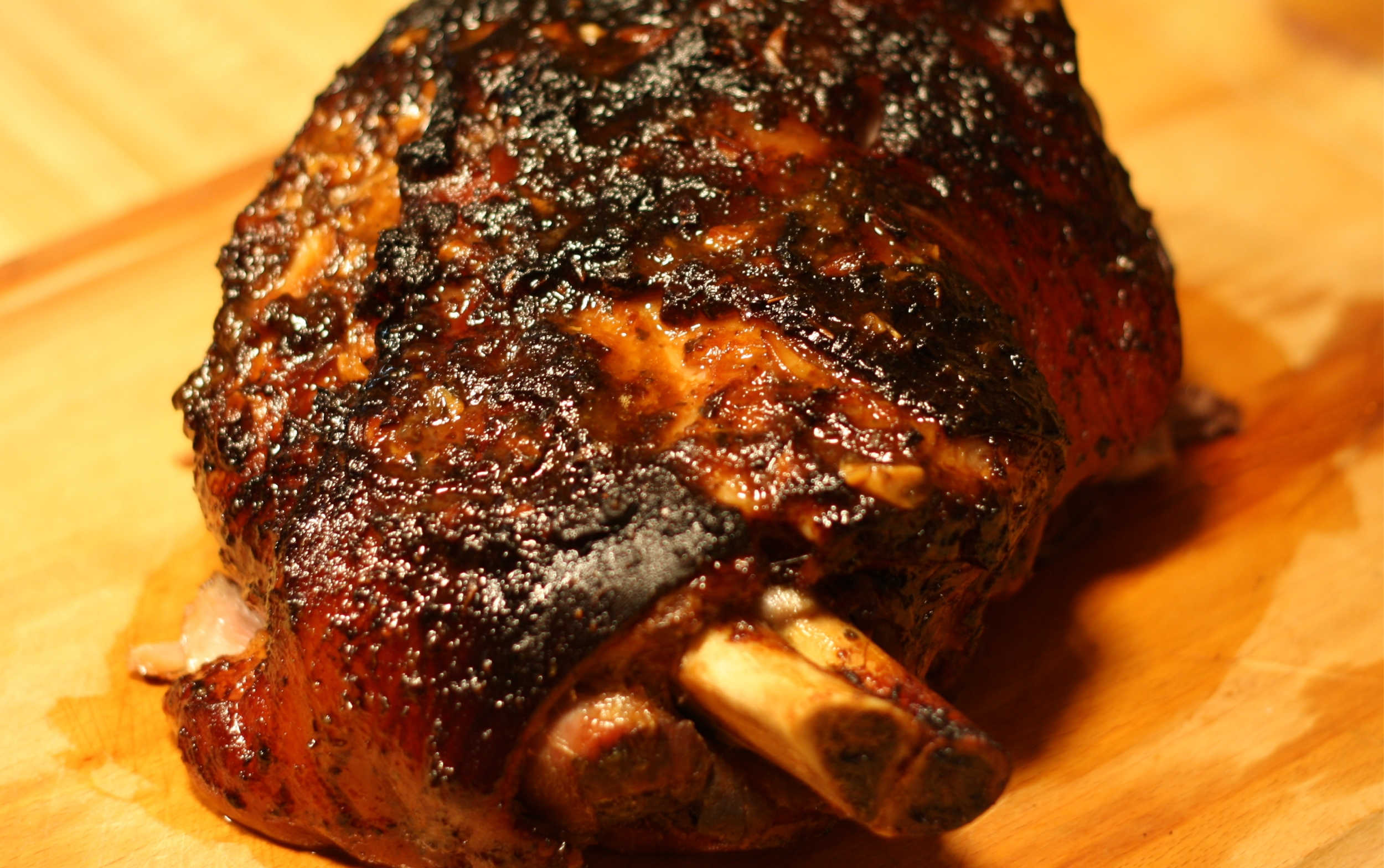
Amid the bustle of the holiday travel season, the U.S. Department of Agriculture is sounding the alarm about the current dangers involved in transporting pork products from its Caribbean territories onto the mainland.

The USDA is on heightened alert for African Swine Fever (ASF). It is caused by a virus that, while posing no threat to human health, leads to high rates of illness and death among domestic pigs. In 2021, ASF was detected in the Dominican Republic, prompting USDA to declare Puerto Rico and the U.S. Virgin Islands a protection zone. What this means, practically speaking, is that pork products are not allowed from these territories onto the mainland.
According to USDA Agriculturist Fernando Lugo, the ban extends to all pork products. “It's a virus that can survive extreme temperatures…so it doesn't matter if the product is fresh, cooked, or frozen,” he said. “Even though this disease doesn't affect humans, it could have devastating effects in the pork supply and on the pork industry."
Noting that many Americans travel to and from the Caribbean at this time of year, USDA officials decided on this public education campaign on the importance of not bringing pork products back to the United States.

Mr. Lugo specified that the federal restriction only applies to bringing pork into the continental United States. “For USDA, there's no regulation between the islands,” he said, while acknowledging that local regulations may apply. USDA's focus, however, is on protecting pork production in the continental United States. An ASF outbreak on the mainland, Mr. Lugo says, could cost the economy as much as $74 billion over a 10-year span. “That's something we don't want to happen.”
“There's always been regulations that apply [to] pork products because of classical swine fever and some other diseases that affect pork,” Mr. Lugo said. However, the surveillance and enforcement framework has been enhanced. “In this case, it's more strict,” he agreed, pointing to the more infectious nature of ASF. One breakout, Mr. Lugo says, “would kill millions of pigs in the U.S,” which would lead to “job losses, pork shortages, a raise of pork prices.”
With Customs and Border Protection officials in the Virgin Islands are instructed to seize prohibited pork items tucked away in luggage, Mr. Lugo advises travelers to avoid the temptation of transporting some popular cultural foods. “Sausages, salami, pernil, roasted pork and ham, bacon, pepperoni…Do not pack them in your suitcase. Do not ship them to the U.S., and if you have any kind of pork products, please declare these products to a customs officer,” Mr. Lugo said.
Additionally, travelers are asked to take precautions if visiting places where pigs are reared or processed. “Do not visit pig farms, because you can carry unknowingly ASF with you,” Mr. Lugo noted. “Many people that visit farms, they don't believe they can carry a virus or a disease on their shoes, on their clothes, on a vehicle.” Travelers who do find themselves in an environment with pigs should “take the appropriate actions and clean and disinfect shoes, clean and disinfect your clothes, and declare so to a customs officer.”

On the mainland, USDA officials are preparing contingency action plans to deal with any potential outbreaks of ASF swiftly and effectively. However, the focus right now is on efforts to avoid such an outbreak entirely. According to Mr. Lugo, the country's agriculture agency wants their message this year to spread as widely as holiday greetings. “You can enjoy them when you're visiting your family, your relatives and your friends while you are outside of the U.S., but when you go back, please don't pack pork,” he declared.