


Commercial sales of intoxicating hemp and artificially derived cannabis products remain illegal in the Virgin Islands as regulators begin compliance checks and prepare a licensing system that would impose restrictions on where the products can be sold, their potency and their packaging.
The Cannabis Advisory Board received its first look Thursday at an initial draft of regulations governing the products. Office of Cannabis Regulation Executive Director Joanne Moorehead emphasized that no intoxicating hemp products may currently be sold in the territory.
“Currently today, July 30, none of these…products should be sold right now in the Virgin Islands,” Moorehead said.
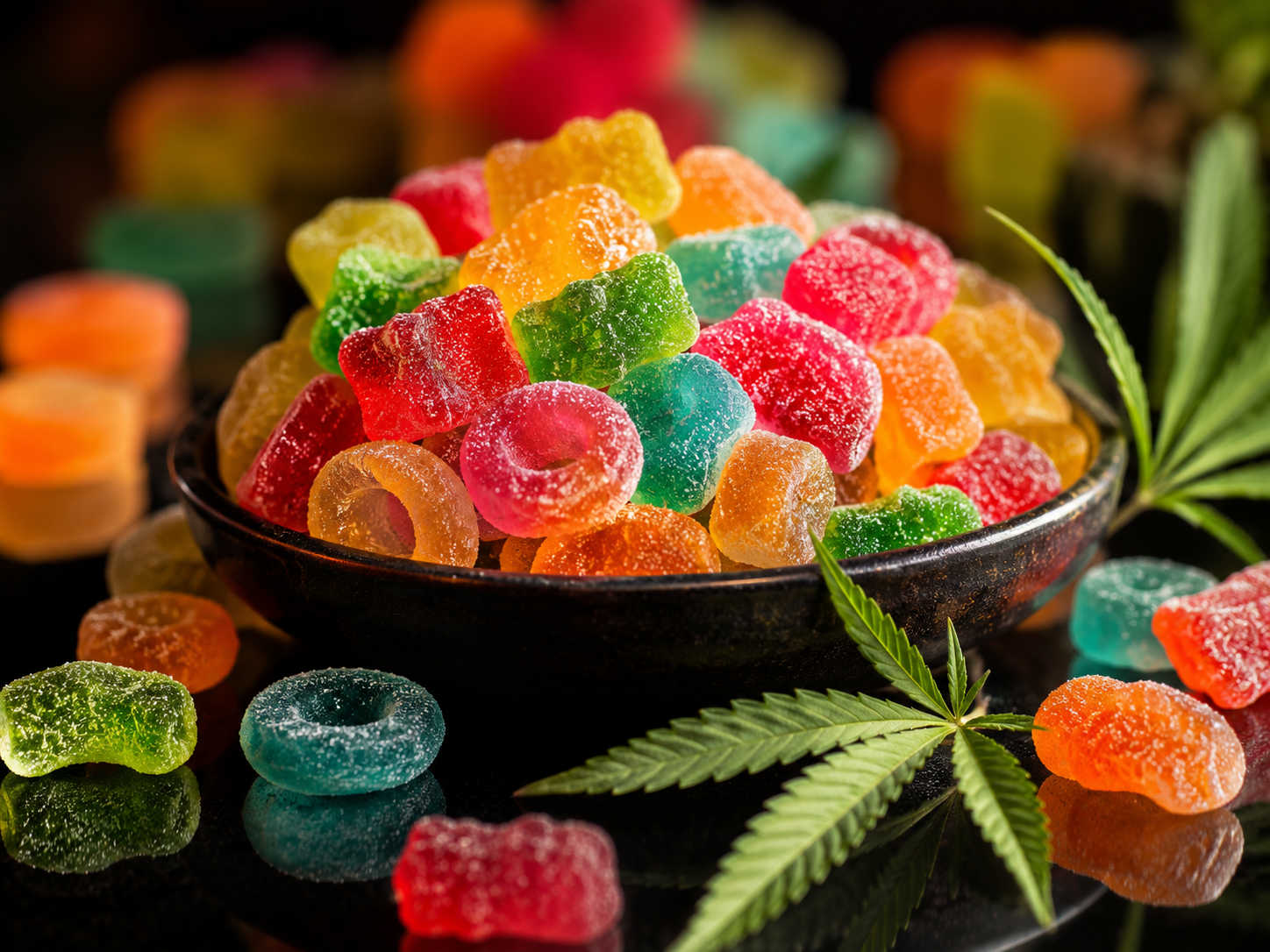
During the discussion, Moorehead explained that the draft defines intoxicating hemp broadly to include hemp-derived products containing cannabinoids that cannot be produced naturally by the cannabis plant, cannabinoids that have been synthesized or chemically altered, and products containing quantifiable amounts of THCA or THC or marketed as producing intoxicating effects. She distinguished those products from non-intoxicating hemp items such as CBD topical creams, which would not fall within OCR’s regulated cannabinoid category.
Act 9072 prohibited the sale of intoxicating hemp products until the Office of Cannabis Regulation establishes a licensing and permitting system.
An initial temporary injunction issued by a District Court judge ultimately resulted in a grace period during which retailers were permitted to clear previously held inventory. That period has ended, and enforcement officers have begun conducting compliance checks across the territory.
“OCR enforcement has visited every single licensed hemp retailer in the territory and had conversations with them,” Moorehead stated. “We have a running list of who has inventory, as they were required to provide OCR with inventory lists, and those that had product have been compliant and have absolutely cooperated,” she continued.
Storefront monitoring will now take place through a multi-agency effort.
Under Act 9072, the Department of Health’s Environmental Health division and the Department of Licensing and Consumer Affairs share responsibility for inspections and seizures.
Health Commissioner Justa Encarnacion, a member of the Cannabis Advisory Board, said inspectors will remove products placed in deceptive packaging or marketed toward young people.
“We can comfortably confiscate those items that resemble, for example…Cheetos,” she declared.
The proposed regulations prohibit imagery, characters or mascots intended to target minors.
Once licenses become available, the draft rules would establish operating requirements for businesses seeking to sell intoxicating hemp products. In accordance with Act 9072, the products could not be sold at gas stations, convenience stores or grocery stores.
Sales would be limited to standalone licensed retailers or licensed cannabis dispensaries.
The regulations would also establish limits on product potency.
“No regulated cannabinoid product shall contain more than 10 mg of total THC per serving, or more than 100 mg of total THC per package,” Moorehead explained.
Products would be required to carry child-resistant packaging, batch numbers, expiration dates, pregnancy warnings and an international symbol identifying intoxicating cannabinoids.
Each package would also need a scannable QR code linking directly to a certificate of analysis issued by an accredited laboratory.
Purchases of intoxicating hemp and cannabis products would be limited to people who are at least 21 years old. Products would also be prohibited from making medical or therapeutic claims that have not been approved under federal law.
The draft regulations will be published on the OCR website, beginning a formal 90-day public comment period.

After that period closes, the board will review the feedback before submitting finalized regulations to the governor for promulgation.