




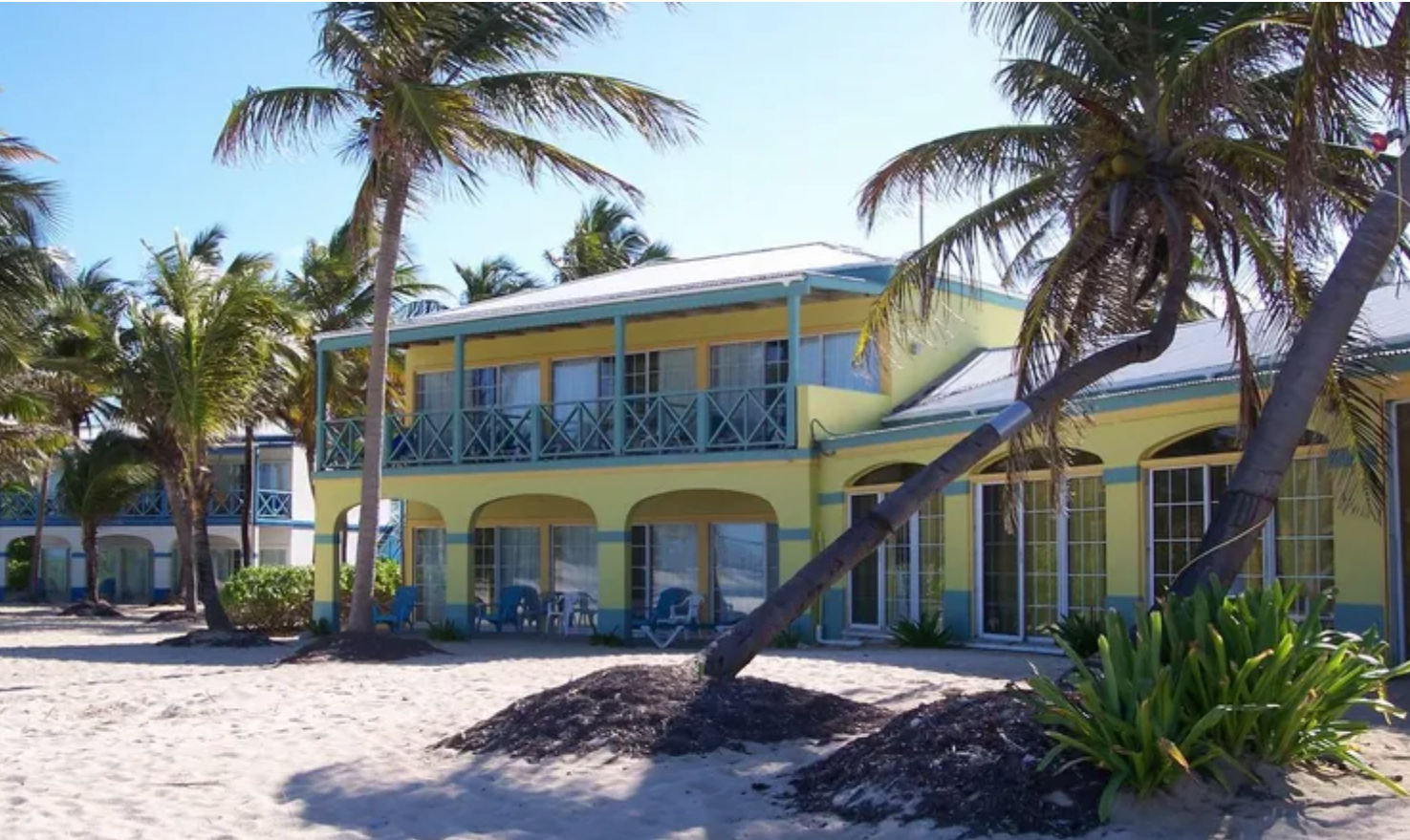
ST. CROIX — A proposed expansion and renovation of the Hibiscus Beach Hotel in LaGrande Princesse, which was destroyed by Hurricane Maria, was challenged by neighboring property owners, who were concerned that the project would exacerbate pre-existing problems with flooding.

On Thursday, the St. Croix Committee of the Coastal Zone Management Commission met to discuss an application from the developers of the hotel for phase three of the project, which would add 62 rooms as well as a new bar, gymnasium, restaurant and pool on the property, expand the green space footprint, and replenish the beachfront, among other works.
Also in the plans are to install underground storm drains and create retention pools and underground stormwater storage, ostensibly to improve drainage in the area. Developers say public beach access will be enhanced with a dedicated parking area.
Despite relocating the already-existing public beach access route to the west edge of the property, “it won’t be controlled,” reassured Clarence Browne, the architect on the project. “There’ll be no gate across it, the public could access that beach at any time.” He also spoke of measures being put in place to protect nesting turtles in the area.

Meanwhile, engineer Damien Cartwright presented a stormwater pollution prevention plan, which he said included 2.5 times the amount of stormwater storage that was required according to a recently done hydrology study.
However, neighboring property owners were skeptical that the proposed construction would help the situation. “This project, as beneficial as it may appear, does not really address the issues in a way that is going to get rid of them,” said attorney Curt Otto, representing a couple who owns property adjacent to the parcels slated for development. He argued that the proposed interventions, which include placing the parking lot where water overflow has traditionally been collected, would instead exacerbate existing issues.
Mr. Otto cited two other local civil engineers who he said have written statements supporting the property owners’ position, and said that the anticipated escalation of the drainage issue could end up becoming a matter for the courts.
Mr. Cartwright protested that a “1-acre site cannot absorb a 300-acre watershed,” and suggested that the comprehensive flood mitigation that truly needs to be done in the area is a “major, major undertaking that has to happen at the administrative level.” Mr. Otto agreed, but argued that the lack of state intervention means that the proposed hotel development should not go forward. “Before we can allow a development in here, we’ve got to solve this problem…but until the Public Works Department does what it’s supposed to do, we’re living with sewage, we’re living with …something that we as residents of the Virgin Islands should not have to put up with.”
Alicia Barnes, who led the presentation on behalf of the Hibiscus Beach Hotel, noted that “the territorial government has been approved for permanent replacement of its wastewater system,” and underscored that “we cannot expect a developer to solve the issues of territorial government.”
However, with no clear timeline in place for that replacement, residents were concerned about how the additional rooms and amenities being added would impact the already stressed sewage system. Mitch Graham, a resident in the area, said that a flood last February caused effluent to back up into his home. “I need to make sure this is going to be solved where we’re not getting raw sewage coming up because I can’t deal with that, it’s not fair,” he said.
Elizabeth Kleisch, a homeowner, expressed her concerns over the stated plans to relocate the existing public pathways to the beach. “Both of those beach accesses that have been used for generations are going to be gone and they’re talking about putting a fence in front of the public road.” She complained that the proposed move to the west side of the hotel would serve to ultimately restrict access to “really the best beach on the north shore between Christiansted and Cane Bay…why are we doing that to the people of the Virgin Islands? There’s no beach on that side.”
Ms. Kleisch urged the St. Croix CZM Committee members to carefully consider all the ramifications and implications of this project. “I want to be development friendly, but I also feel like we can’t push this project through without giving it time to be seriously evaluated.”
At the end of the meeting, Coastal Zone Management Director Marlon Hibbert sought to reassure the public that the robust debate was part of a careful application and permitting process. “There is oversight now and there will continue to be operationally through the life of any project,” he said, noting that CZM staff and committee members had conducted an extensive site visit some time ago, and are “intimately, substantially involved in the entire process from start to finish.”

The public has until next Thursday to submit additional comments and concerns to the CZM office, and a decision meeting will be convened some time in mid-April where it will be announced whether the application for Phase 3 of the Hibiscus Beach Hotel Development was approved or rejected.