



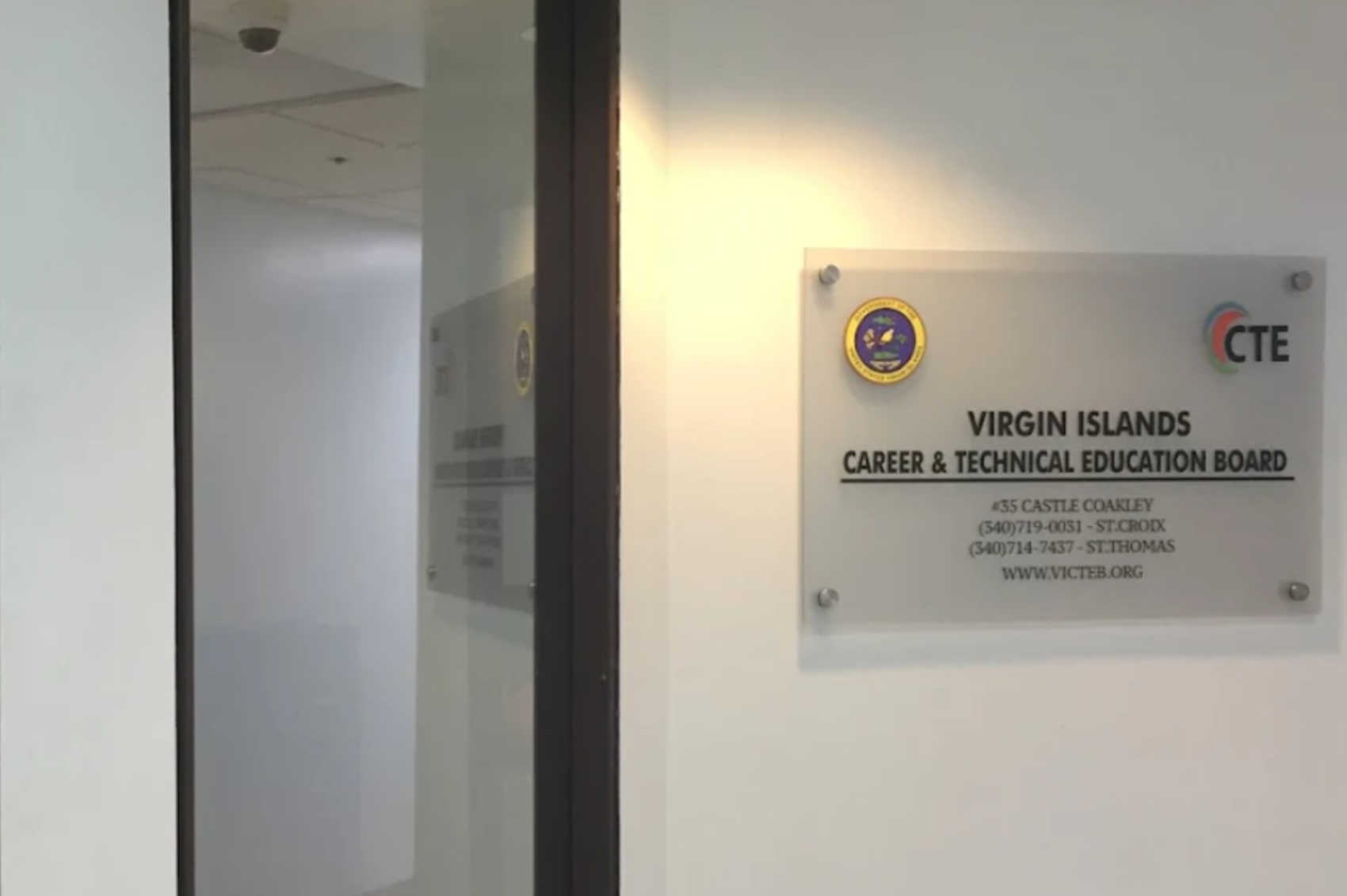
A special meeting of the V.I. Career and Technical Education Board last week ended without accomplishing its primary purpose — holding board elections — after failing to secure a quorum. The discussion that followed revealed differing views on whether the board should move ahead with choosing new executive officers despite an upcoming reorganization.

Board member Suzanne Magras, PhD., opened the exchange by noting that “it's been a couple of years now since we have identified new officers in the positions of chair and vice chair. I think it's been three years that the individuals have held those positions.” She pointed out that the board’s bylaws limit the tenure of executive officers to one year. Dr. Magras expressed support for Anthony Mardenborough, recently elected board secretary, to serve as chair, emphasizing his “personal history as a product of our CTE system,” his work as a hospitality and tourism teacher, and his engagement with young people in the territory. “I really feel that your leadership would provide a tremendous perspective for our community,” she said.
Mr. Mardenborough welcomed the nomination and said he looked forward to formally accepting it once sufficient members were present to conduct official board business.
However, TITLE Sana Joseph Smith, who is not a member of the CTE board, questioned the timing of the effort. She pointed to an ongoing process to revamp the board, expected to conclude within 60 days, and asked, “What is the sense of urgency in having the elections right now?” She argued that the reorganization made it unnecessary to install new executives immediately.

Recently appointed Executive Director Genevieve Whitaker countered that board elections should not be delayed, explaining that there were “things we have to expedite pretty soon.” She described a “pretty tremendous amount” of stakeholder meetings and said “there's a great body of work to be done,” which requires a chair and vice chair in place.
Ms. Joseph-Smith maintained her position. “There's always going to be work,” she noted, questioning what she described as a “duplication of efforts.” She asked why emergency elections were necessary “when we have to have emergency elections in another 60 days, because the composition is going to be drastically changed.”
Dr. Magras supported Ms. Whitaker’s stance, saying the workload ahead required board leadership to be in place now. “We really need someone who can be fully engaged in the work and to move the existing processes forward,” she said, citing ongoing meetings with school principals and other stakeholders. She again referred to Mr. Mardenborough’s suitability, noting that “he's already getting that institutional knowledge of what's happening in each of our schools where CTE is taking place.”
Mr. Mardenborough added that draft legislation proposing significant changes to the board’s structure remained in the committee of jurisdiction in the 36th Legislature. He expressed surprise at Ms. Joseph-Smith’s statement that efforts were underway to advance the bill within the next two months.
A former senator, Ms. Whitaker expressed doubt that the legislative process could meet that timeline. “I don't know if a legislature has ever been so fast,” she said. She reiterated the number of critical meetings scheduled, including with “potential donors and funders who plan to work with our schools,” noting that the next round would begin “as early as even in January.”
Still, Ms. Joseph-Smith questioned why the meetings could not proceed under the current structure. “In many other boards, you don't have to have the chairperson at all of these meetings; you have an operational leader, and then you can bring that back to the board if decisions need to be made,” she said. “I have not heard that any decisions are unable to be made because anyone is unable to fulfill their duties.”
When asked to justify her expectation that the legislative process would be complete within 60 days, Ms. Joseph-Smith called it “an intelligent estimate” based on standard procedures. She argued that holding elections before those changes take effect “just seems disruptive from this perspective.”
Dr. Magras disagreed. “I see where things are, where the balls are getting dropped,” she said. “I see the daily emails and the challenges…I'm experiencing that firsthand.” She pressed for a new chair and vice chair to be elected quickly. “This needs to happen, it will help us with our flow.” She questioned why Ms. Joseph-Smith objected to moving forward.
“This feels ambush-ish,” Ms. Joseph-Smith responded. “That's a word said with authority.” She emphasized that she was “just voicing a difference of opinion,” pointing to the attendance of only two members out of the usual six. “I disagree with the perspective that we need to have an emergency election when we know that we're about to have material changes to the board moving forward.”
Dr. Magras said efforts to elect a new chair had been underway for “about four months now.” She noted that some members withdrew “at the last minute” from the special meeting, which she described as another sign that change was needed. “We just have concerns about this continued stalling,” she said. “We want to make sure that we are making progress and meeting the needs of the community.”

With no quorum available to act, the meeting concluded with plans to revisit the matter at the December 17 board meeting, where members hope to have enough attendees to decide who will serve as chair and vice chair of the CTE board for the next 60 days.