




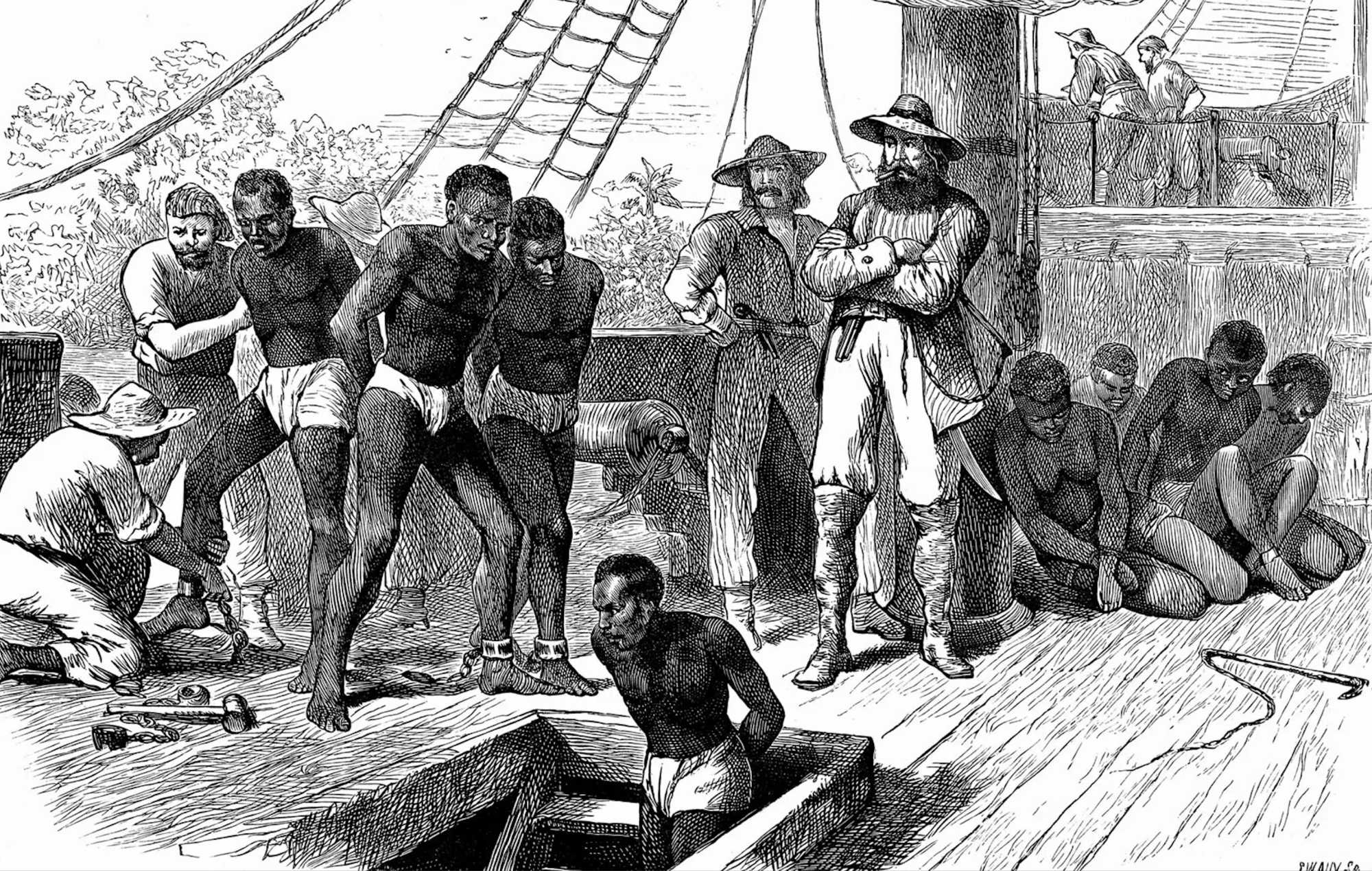
The United Nations on Wednesday adopted a significant resolution marking the International Day of Remembrance of the Victims of Slavery and the Transatlantic Slave Trade, with member states voting to recognize the enslavement of Africans as the “gravest crime against humanity.” The measure, introduced by Ghana, also called on countries to acknowledge that characterization, apologize for the slave trade, and contribute to a reparations fund — drawing strong support from African and Caribbean nations, opposition from the United States, Israel and Argentina, and abstentions from several European countries, including the United Kingdom.

Ahead of the vote, Ghanaian Ambassador Samuel Yao Kumah said the resolution “does not rank suffering, nor does it attempt to create a legal hierarchy of crimes against humanity.” Instead, he said, it “advances a simple but profound proposition - that trafficking and racialized chattel enslavement of Africans was a world breaking event.”
Kumah argued that the establishment of the transatlantic slave trade was “the moment when humanity itself was reorganized into a global hierarchy of race, labor, property and capital and helped construct the global economic and racial order whose legacies continue to shape our world today.”
Of the United Nations’ 193 member states, 123 voted in favor of Ghana’s proposal. Member states of the African Union and the Caribbean Community voted unanimously in support. Argentina, Israel, and the United States voted against the resolution, while 52 countries abstained.

Among those abstaining were the United Kingdom and other European countries that historically benefited from the trafficking of enslaved Africans. Canada was also among the nations that abstained.
Despite Kumah’s earlier remarks, UK Ambassador to the United Nations James Kariuki argued that the resolution would “create a hierarchy of historical atrocities…no single set of atrocities should be regarded as more or less significant than another.”
Kariuki also said that because slavery was not illegal when it was practiced, countries that amassed wealth and global influence through the purchase, sale, and labor exploitation of human beings should not now be expected to make reparations. There is “no duty to provide reparation for historical acts that were not, at the time those acts were committed, violations of international law,” he said.
U.S. Ambassador to the United Nations Dan Negrea also objected to what he described as “the resolution’s attempt to rank crimes against humanity in any sort of hierarchy.”
Both ambassadors criticized the drafters for rejecting changes they said would have made the resolution acceptable to the U.S. and U.K. The United Kingdom said it and others had proposed language to move the text away from legal claims and toward political declaration, while some member states also suggested the matter be referred to the General Assembly’s Sixth Committee for legal review. The United States, for its part, objected to any suggestion of a legal right to reparations for acts that were not illegal under international law at the time, and to language it said created a hierarchy among crimes against humanity.

Following the resolution’s adoption, CARICOM issued a statement welcoming what it described as a historic decision. The regional bloc, which has consistently been at the forefront of calls for reparative justice, said it would “continue to work collaboratively for the implementation of the Resolution."