




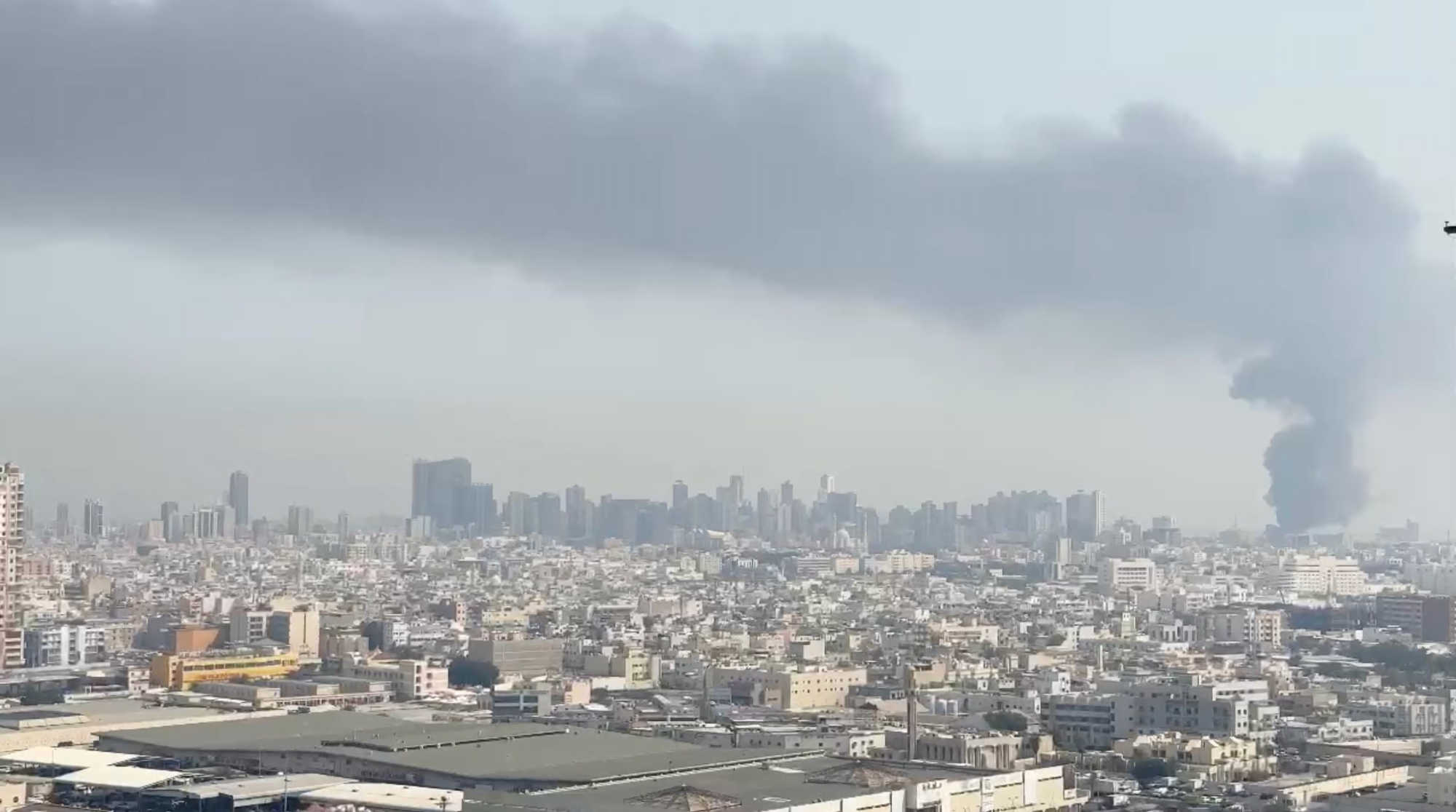
U.S. military operations against Iran intensified Tuesday night as American forces launched a heavy bombardment targeting underground ballistic missile infrastructure believed to be sustaining Tehran’s retaliatory attacks across the region. The strikes come as the conflict continues to widen, with Iran maintaining large-scale missile barrages, mounting casualties on multiple sides, growing political opposition in Washington, and mass demonstrations inside Iran.

According to U.S. Central Command, the United States deployed B-2 stealth bombers along with other aircraft to strike multiple hardened facilities linked to Iran’s missile capabilities. Among the locations targeted were sites near Natanz and Fordow. Pentagon officials said the objective was to degrade Iran’s ability to continue launching missile attacks, describing the targets as infrastructure believed to be more resilient than initially assessed.
Despite the bombardment, Iranian forces have continued sustained missile and drone barrages against Israel and U.S.-hosted bases in Gulf states. Officials in Tehran say the country retains significant stockpiles and remains capable of maintaining its retaliatory campaign. In the latest wave of attacks, Iranian forces launched hundreds of projectiles.
One of the most consequential retaliatory strikes targeted the headquarters of the U.S. Navy’s Fifth Fleet in Manama, Bahrain. The installation — the largest U.S. naval base in the region — reportedly sustained extensive damage, including the destruction of several structures and satellite communications equipment. The strike formed part of a broader series of attacks against American and allied facilities across Kuwait, the United Arab Emirates, Qatar, and Saudi Arabia.

With the military campaign continuing unabated, controversy has also emerged within the U.S. armed forces over the tone of certain troop briefings related to the conflict. Reports indicate that some Trump administration military officials have described the war in apocalyptic terms, telling service members the operation is part of a divine plan in which President Donald Trump has been “anointed by Jesus” to usher in the end times and that God will ultimately save Israel.
More than 200 complaints have been filed with the Military Religious Freedom Foundation alleging that commanders directed personnel to present the conflict as fulfilling biblical prophecies from the Book of Revelation. Those allegations have prompted internal investigations.
Political opposition to the war has also intensified in Washington. Several U.S. lawmakers have publicly denounced the operation as illegal and immoral after receiving classified briefings. Former senior military officers and members of Congress have cited the absence of congressional authorization, arguing that the campaign violates the War Powers Resolution and international law.
Inside Iran, public demonstrations have surged following a deadly airstrike earlier in the conflict. Iranian authorities held a mass funeral Tuesday for 165 schoolgirls and staff killed when a U.S.-Israeli airstrike struck an elementary school in Minab. Thousands attended the ceremony, which was broadcast by state media and fueled widespread public outrage.

Large gatherings have also taken place across the country, with crowds in Tehran and other cities expressing support for the Iranian government and denouncing the strikes. Officials in Tehran have rejected calls for an immediate cease-fire and have pledged to continue the fight until foreign forces withdraw from the region.