

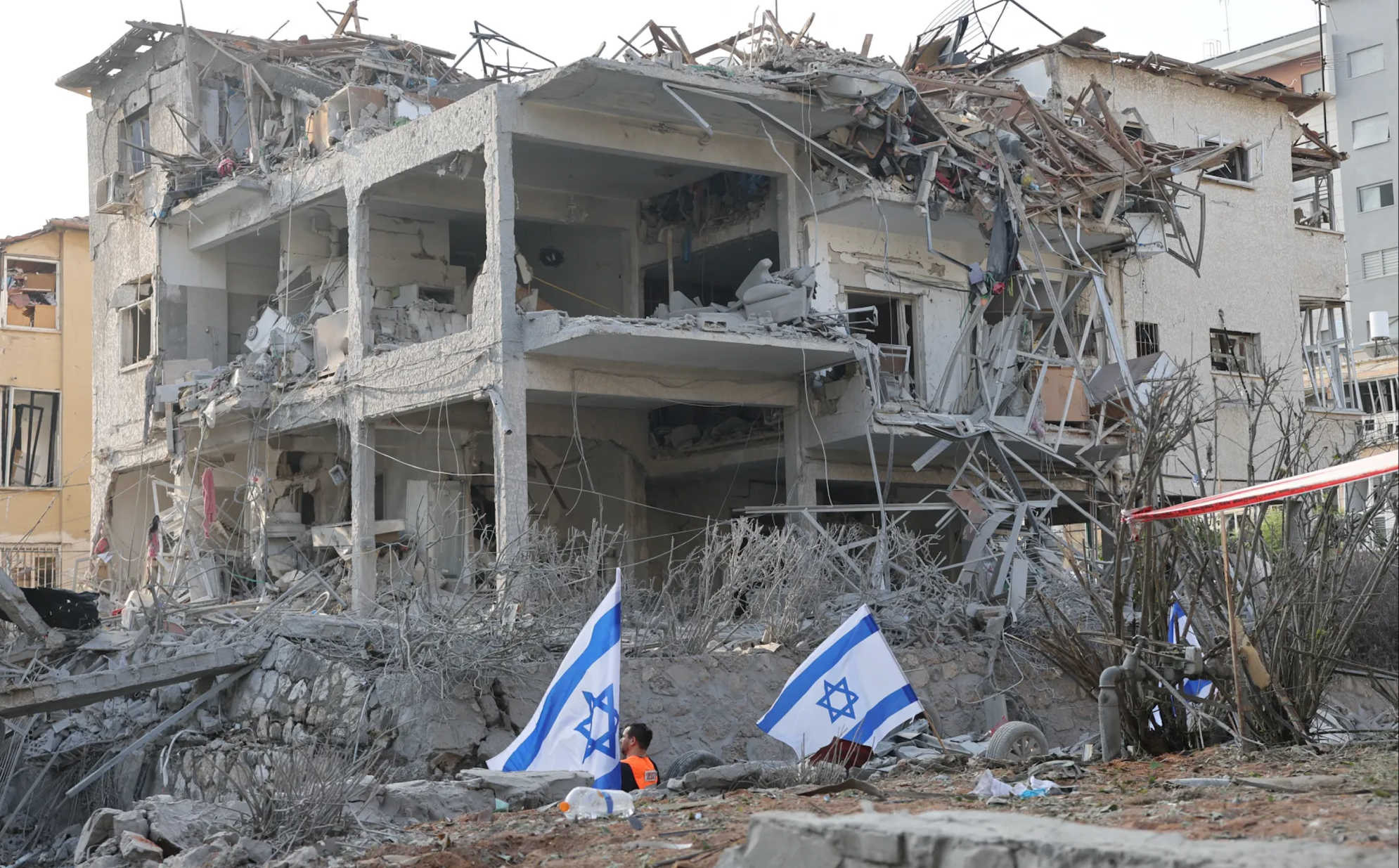
The death toll among U.S. service members in the ongoing Iran conflict has climbed to six, with additional American troops wounded, as fighting enters its fourth day and hostilities expand across the Gulf and beyond.

U.S. Central Command confirmed the latest fatalities on March 3, following the recovery of remains from a facility struck at Shuaiba port. In total, 18 additional U.S. service members have been reported seriously wounded in Iranian missile and drone strikes targeting American bases in Kuwait and elsewhere in the Gulf.
The United States started the conflict on February 28 after launching coordinated strikes with Israel on Iranian targets. Secretary of State Marco Rubio acknowledged that Washington acted knowing Israel was preparing to strike Iran and that Tehran would retaliate against American forces. Rubio told reporters that the administration moved preemptively to avoid higher casualties, describing the operation as necessary to dismantle Iran’s missile capabilities and navy after intelligence confirmed imminent Israeli action.
President Donald Trump said he was surprised by the scale of Iran’s retaliatory campaign against Gulf states hosting U.S. bases. In comments to CNN, Trump described strikes on Arab countries as “the biggest surprise” of the war so far. He has not ruled out deploying ground forces, telling the New York Post that the campaign could last four to five weeks — or longer — and that American boots on the ground remain an option if required.

Iranian officials have rejected calls for cease-fire discussions. Foreign Minister Abbas Araghchi responded to Rubio’s remarks by declaring that the United States had entered “a war of choice on behalf of Israel.” Senior Iranian security officials have reiterated that Tehran intends to continue its missile campaign until its objectives are achieved.
Inside Iran, large public gatherings have been held to mourn Supreme Leader Ayatollah Ali Khamenei, who was killed in the initial U.S.-Israeli strikes on February 28. The government has declared 40 days of national mourning, with crowds filling streets in Tehran and other cities to honor the 86-year-old leader.
Iranian state media also reported a funeral procession for more than 100 schoolgirls killed when a U.S.-Israeli airstrike struck an elementary school near a military base. The incident was described by state media as a deliberate attack on civilians, intensifying public outrage.
The conflict continues to widen. Iranian barrages persist against Israel and Gulf infrastructure, while U.S. and Israeli forces maintain air superiority over Tehran and expand strikes into Lebanon against Hezbollah. Trump has warned that additional American casualties are likely as operations proceed.