

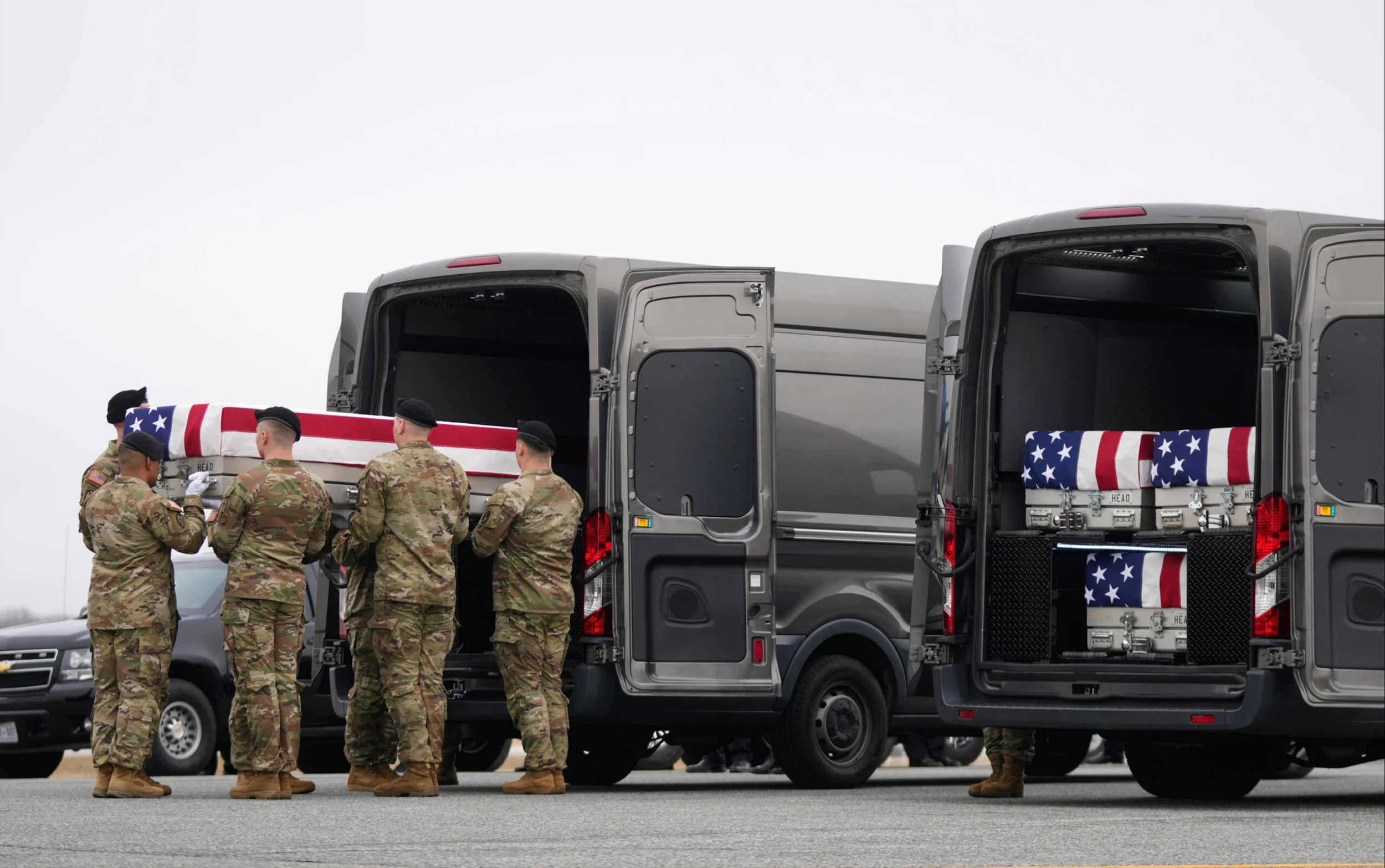
At least seven U.S. service members have been killed in operations tied to the war with Iran, and the number of wounded has now climbed to about 140, according to the Pentagon, after Reuters first reported that the total could be as high as 150. Pentagon spokesperson Sean Parnell said 108 of the wounded had already returned to duty, while eight remained seriously injured. The war, which began with U.S. and Israeli strikes on Iran on February 28, is now entering a more dangerous phase as Washington promises even heavier attacks, Tehran rejects negotiations for now, shipping through the Strait of Hormuz remains severely disrupted, and markets continue swinging on each new signal about whether the conflict will widen or wind down.

The latest public comments from Defense Secretary Pete Hegseth underscored that the U.S. intends to intensify, not ease, military pressure in the immediate term. At a Pentagon briefing on March 10, Hegseth said Tuesday would be the “most intense day of strikes” so far, with more fighters, bombers and strikes than on previous days. He also said the United States would not relent until the enemy was “totally and decisively defeated,” while insisting the war would not become another Iraq- or Afghanistan-style open-ended conflict. Reuters also reported that the U.S. says it has struck more than 5,000 targets since the war began and destroyed or damaged more than 50 Iranian naval vessels.
President Donald Trump’s latest public position has been mixed, pairing threats with hints that negotiations are still possible. Reuters reported on March 10 that Trump told Fox News it was possible he would talk with Iran, depending on the terms, and said he had heard Tehran wanted talks badly. But Reuters also reported that Trump had earlier said the war was “very complete,” and in other comments carried by Reuters he predicted the conflict could end soon even as he and other senior officials have warned that more American casualties are likely.
Iran, however, has publicly ruled out negotiations for now. On March 3, Iran’s ambassador to the United Nations in Geneva said Tehran had not contacted Washington directly or indirectly about de-escalation talks or resuming nuclear negotiations. He said, “For the time being we are very doubtful about the usefulness of negotiation... The only language for talking with the United States is the language of defense,” and added, “I don't think it is a time for having any kind of negotiation from our side.” Reuters noted that Iranian and U.S. negotiators had met in Geneva on Thursday, February 26, with mediator Oman saying progress had been made, but U.S. and Israeli airstrikes began two days later, helping to fuel Iran’s argument that talks were not credible.

On the battlefield and in the region, Iran has shown it retains the ability to inflict pain even after suffering major losses. Iran has launched retaliatory strikes on U.S. bases, diplomatic missions, airports, hotels and oil infrastructure, and that its missiles oftentimes breach Israeli defenses, causing fatalities. General Dan Caine, chairman of the Joint Chiefs of Staff, said Iran was fighting hard, though he said it was not more formidable than U.S. planners had expected. Reuters separately reported that Iran’s strategy now centers on endurance, energy disruption and economic shock rather than on matching U.S. and Israeli military power directly.
Reuters reported that Iranian decision-making remains firmly in the hands of the Islamic Revolutionary Guards Corps, which it described as still in control of battlefield strategy despite the killing of senior figures in the opening strikes. In Reuters’ account, Iran’s current approach is to grind the war into a contest of endurance by firing missiles and drones, choking vital energy routes and jolting global markets hard enough to pressure Washington politically and economically. Reuters also reported that regional sources believe Tehran may still retain more than half of its pre-war missile stockpile, though that estimate has not been independently verified.
One of the world’s biggest flashpoints remains the Strait of Hormuz, the narrow passage between Iran and Oman through which about one-fifth of the world’s crude oil and liquefied natural gas normally passes. Tanker traffic through the strait dropped to zero as of Wednesday, March 4, down from 37 daily tankers on Friday, February 27, the day before the first U.S. and Israeli attacks. Iran has said it has control over the strait, while the Pentagon has threatened to hit Iran harder unless shipments resume. On Tuesday, the U.S. Navy told the shipping industry that escorts through Hormuz were not possible for now, underscoring how fragile the situation remains.
The market reaction has been volatile and, at times, violent. Brent crude topped $116 a barrel on Monday before falling sharply on Tuesday, while broader markets have swung with each comment from Trump suggesting either escalation or a possible endgame. Another report said rising gasoline prices and a “wobbly stock market” are now creating risks across the U.S. economy, with analysts warning that if oil stays in roughly the $85 to $100 per barrel range for several months, recession risks would rise materially. Reuters also reported that U.S. national average gasoline prices had climbed above $3.50 a gallon by Tuesday morning, up about 17% from before the conflict began.

Warnings about the danger of a much wider war have also intensified. Pope Leo said on March 8 that the conflict was fueling hatred and fear and raised concern that it could spread further across the Middle East. The Vatican’s top diplomat, Cardinal Pietro Parolin, went further on March 4, saying the ongoing U.S.-Israeli attacks on Iran were undermining international law and warning that if countries claimed a right to launch “preventive war,” “the entire world could risk going up in flames.” Those are among the clearest verified warnings in Reuters reporting of broader global danger tied to the conflict.