




The war between the United States, Israel, and Iran intensified as it entered its seventh day, with continued U.S. and Israeli attacks inside Iran, Iranian missile strikes hitting Israel and U.S. assets across the Gulf, and mounting scrutiny over a deadly school bombing now under investigation by the U.S. military.

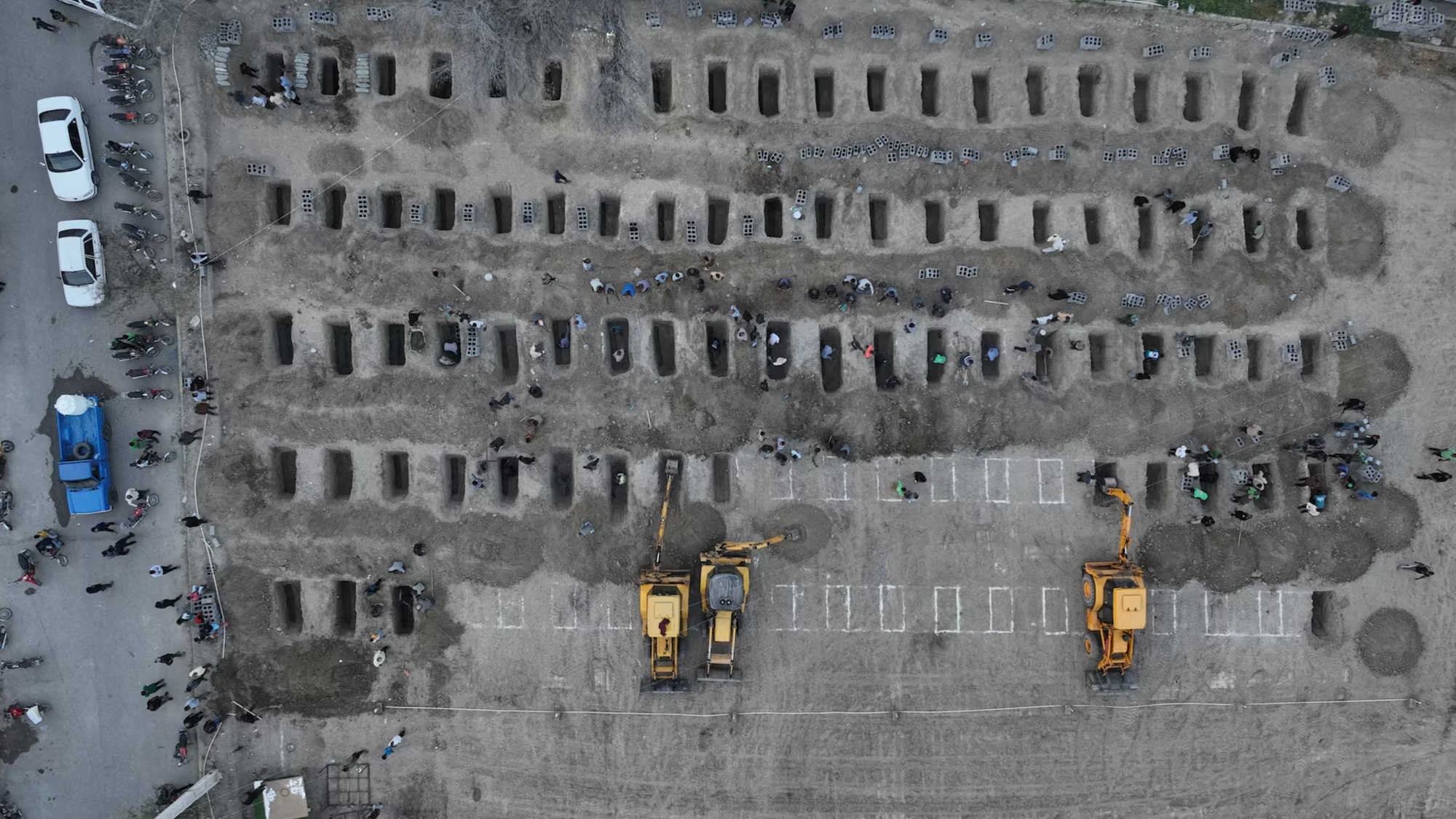
American officials confirmed that an internal investigation is leaning toward concluding that U.S. forces were responsible for the strike that killed more than 160 children at the Shajareh Tayyebeh girls’ elementary school in Minab in southern Iran during the first day of the war. Two sources familiar with the probe told Reuters that U.S. munitions were identified at the site.
Pentagon officials emphasized that there was no deliberate targeting of civilians and said the incident remains under review while investigators continue examining the circumstances surrounding the strike.
The attack occurred during the opening wave of U.S. and Israeli military operations against Iran.

While the investigation unfolds, fighting has continued across multiple fronts.
Iran launched missile and drone barrages targeting Israel and U.S. interests throughout the region. Iranian strikes hit urban centers including Tel Aviv and Jerusalem.
Additional attacks targeted U.S. and allied infrastructure in the Gulf, including the U.S. Fifth Fleet headquarters in Bahrain, Dubai International Airport in the United Arab Emirates, and an Aramco refinery in Ras Tanura, Saudi Arabia.
Facilities in Qatar and Kuwait were also targeted, along with the Palm Jumeirah area in Dubai. The strikes caused civilian casualties and infrastructure damage despite interception efforts by U.S. and allied air defenses.
At the same time, U.S. and Israeli forces have continued their bombardment campaign against Iranian military infrastructure across the country.
Congress backs continued war authority
Congress voted on March 5 to grant President Donald Trump authority to continue the war against Iran without further congressional approval. Lawmakers passed a resolution affirming the administration’s use of the 2001 Authorization for Use of Military Force, approving the measure in a 289–145 vote in the House and a 62–38 vote in the Senate.
The resolution was backed primarily by Republicans and cites Iran’s attacks on U.S. bases as justification under existing anti-terrorism statutes.
Democratic lawmakers opposed the measure, arguing it represents an unconstitutional expansion of executive power.
The White House also faced criticism over a video posted to its X account on March 5.
The 42-second clip shows a shadowy figure in a control room dramatically conducting an orchestra as flashing screens and urgent radio chatter fill the background. The video was edited together with real footage of U.S. strikes in Iran.
Captioned “JUSTICE THE AMERICAN WAY. .,” the cinematic presentation drew backlash online, with critics describing the portrayal of military operations as “absolutely terrifying” and inappropriate amid rising civilian deaths linked to the war.
Religious politics enter the debate
The conflict has also fueled political and religious debate within the United States.
During a March 3 podcast, commentator Tucker Carlson claimed that a group of evangelical Christians, including Christian Zionists, is pushing the Iran war in hopes of forcing the return of Jesus Christ by rebuilding the Third Temple in Jerusalem.
Carlson described the effort as a religious motivation tied to biblical interpretations and argued that some supporters view the conflict as fulfilling end-times prophecy.
His remarks drew backlash after he suggested that groups such as Chabad and evangelical Christians could be influencing U.S. policy through those beliefs.
Religious messaging also appeared inside the White House.
On March 4, Paula White-Cain joined more than a dozen evangelical leaders at the White House to pray for President Trump. The gathering, organized through the White House Faith Office, included prayers asking for divine protection for U.S. troops and their families during the conflict.
Participants praised Trump as a “champion of faith” and prayed for both American service members and the people of Iran seeking freedom.
Economic ripple effects
Beyond the battlefield, the war is beginning to strain economies in the Gulf.
Officials in several Gulf states are reportedly reviewing overseas investments as governments face financial pressure linked to disrupted energy exports and rising war-related costs.
Discussions include the possible use of force majeure clauses in contracts, potential sales of foreign holdings, and pauses in overseas investment commitments. No specific withdrawals from Iran were mentioned.

With missile exchanges continuing across the region, civilian casualties mounting, and an investigation underway into one of the war’s deadliest incidents, the conflict shows no immediate signs of de-escalation.