

Pentagon officials have expressed growing alarm over Iran’s sustained ability to launch missile barrages despite heavy U.S. and Israeli airstrikes, warning that air defense stockpiles are depleting rapidly as the conflict escalates. According to a Washington Post report, Joint Chiefs Chairman Gen. Dan Caine cautioned President Donald Trump that shortages in critical munitions, including air defense interceptors, could heighten risks to U.S. troops if operations extend beyond their initial phases.

Officials noted that Iran’s repeated strikes may require multiple interceptors per incoming missile, potentially exhausting U.S. supplies and leaving American forces more vulnerable in the region. The Wall Street Journal echoed similar concerns, highlighting risks faced by U.S. pilots operating against Iranian air defenses during bombing missions.
The war began on February 28, when the United States and Israel launched preemptive strikes on Iran, which U.S. officials said were intended to dismantle the country’s nuclear program and neutralize missile threats described as capable of reaching the United States. The initial phase of the operation targeted leadership and strategic infrastructure, including strikes in Tehran based on CIA intelligence shared with Israel.
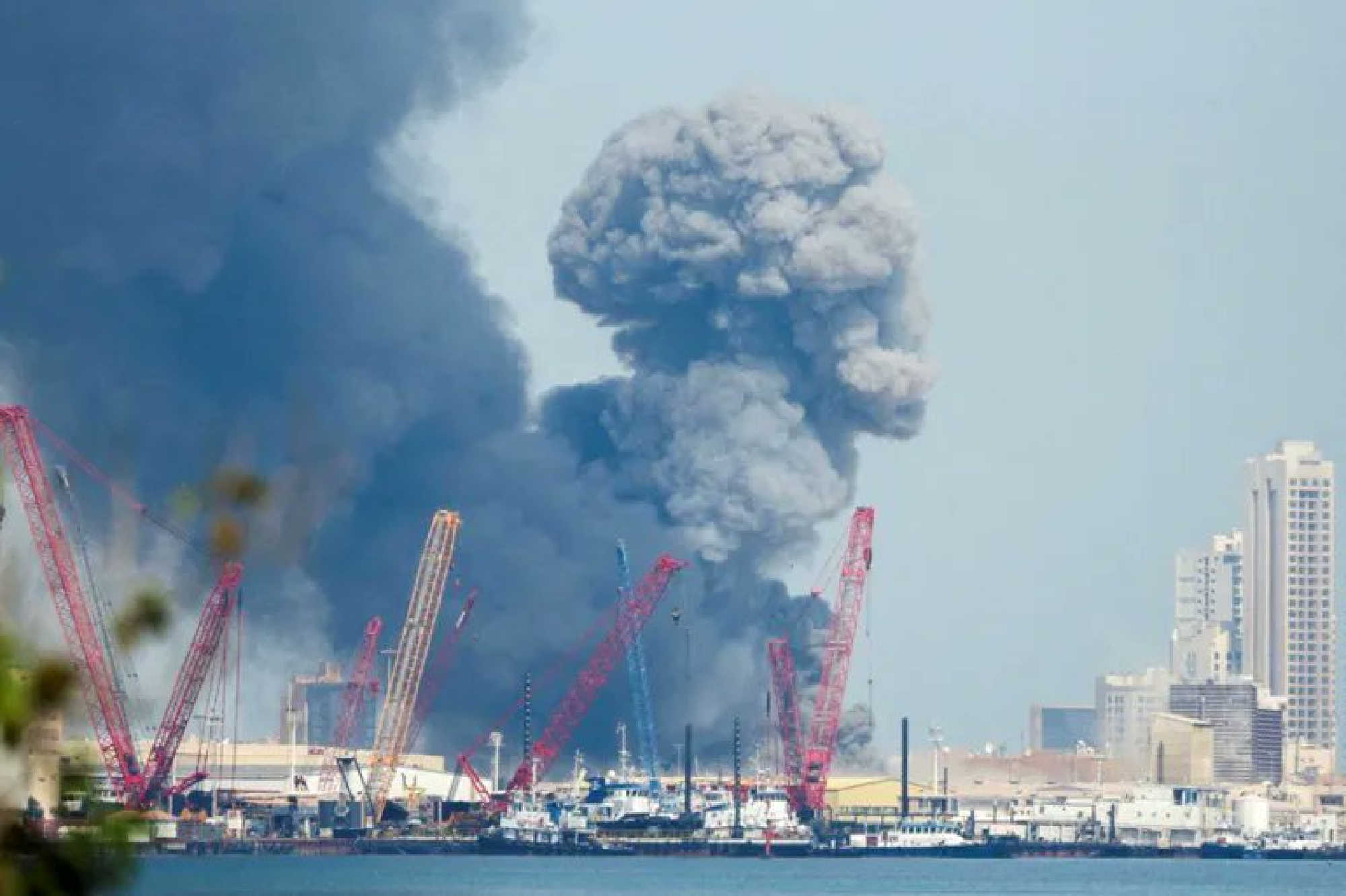
As Iran’s retaliation has intensified, several U.S. military fighter jets, including at least one F-15E Strike Eagle, crashed in Kuwait on March 2, during ongoing Iranian missile and drone attacks targeting American bases across the Gulf. Kuwait’s Ministry of Defense confirmed that the incidents occurred near Al-Jahra and the Ali Al-Salem Air Base, where Iranian projectiles were aimed at U.S. and allied installations. All crew members reportedly ejected safely and were rescued, with no deaths or serious injuries reported.

Videos geolocated by multiple outlets showed a fighter jet spiraling downward with smoke before impact, followed by a pilot parachuting to the ground. Kuwaiti authorities said they are investigating the cause in coordination with U.S. forces, amid unverified Iranian claims that their air defenses downed the aircraft.
The crashes occurred on the third day of Iran’s barrage against U.S. assets in Kuwait, the United Arab Emirates, Qatar, and Saudi Arabia. The retaliatory campaign is part of Tehran’s response to the U.S.–Israeli strikes that began on February 28. U.S. Central Command has not yet issued a detailed statement regarding the aircraft incidents, though the Pentagon is monitoring developments as part of broader concerns over depleted air defense capabilities.
Despite the scale of the bombardment, Iran has maintained missile and drone attacks on Israel. A new wave was launched on March 1, with some projectiles reportedly evading Israel’s advanced defenses. A ballistic missile struck a synagogue in Beit Shemesh, killing nine people and bringing Israel’s toll to at least 11 dead and 28 wounded.
Iranian forces have also targeted U.S. assets across the Middle East. Retaliatory strikes on bases killed three American service members and wounded five others. Additional impacts were reported in Gulf states, including a strike on a Saudi Aramco refinery and explosions in Dubai, Abu Dhabi, and Doha.
Iranian officials have rejected diplomacy, with the country’s security chief stating Tehran would not negotiate with the United States. President Masoud Pezeshkian vowed revenge. Trump has indicated the operation could last up to four weeks and warned that additional U.S. casualties are possible.

The conflict has expanded beyond the initial theater. Israel has exchanged fire with Hezbollah in Lebanon after a yearlong truce collapsed, including strikes on the outskirts of Beirut. Pro-Iranian protests have erupted globally, with clashes in Pakistan resulting in 22 deaths and more than 120 injuries.