
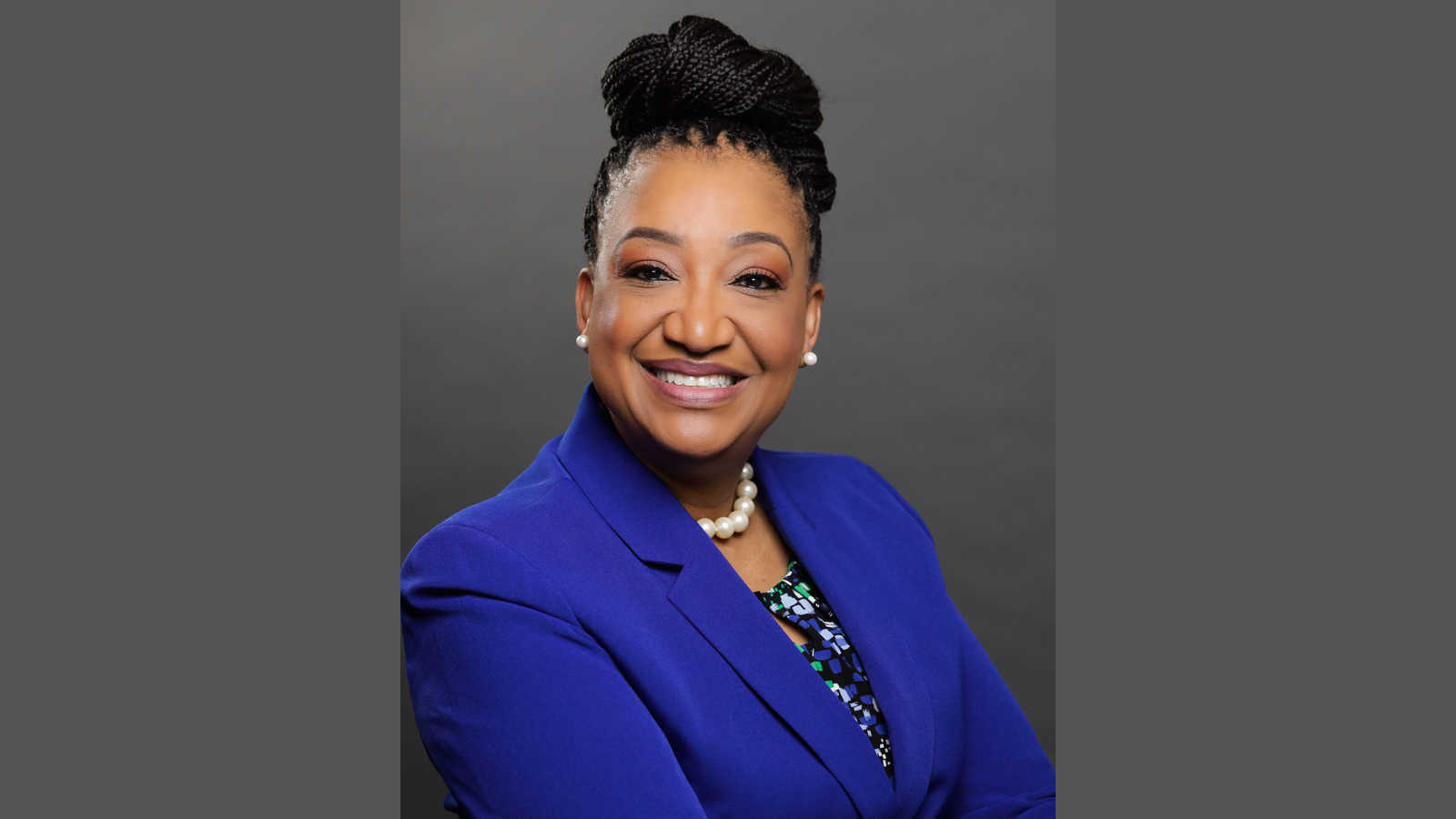
Lawmakers challenged the $132,750 salary increase awarded to territorial hospital CEO Darlene Baptiste during a hearing Tuesday, questioning executive compensation while frontline employees await better pay and the hospitals continue to struggle with finances and supplies.

Baptiste’s annual salary increased from $300,000 to $432,750 when she assumed responsibility for both the Governor Juan F. Luis Hospital and Medical Center and Schneider Regional Medical Center, hospital board chairman Dr. Jerry Smith told the Committee on Health, Hospitals, and Human Services.
The increase amounts to 44.25 percent. Her salary is also $32,750 above the U.S. president’s $400,000 annual base salary established by federal law.
Dr. Smith said the higher compensation reflected Baptiste’s expanded responsibilities. The chief operating officer’s salary also increased, from $185,000 to $269,000 — an $84,000 difference.

He maintained that consolidating leadership across the two hospitals reduced overall executive costs despite the individual salary increases.
“Realized savings include approximately $150,000 associated with the chief executive officer function, $200,000 associated with the chief operating officer function, and $200,000 associated with the chief financial officer function,” Dr. Smith said.
Senator Marvin Blyden questioned whether those savings should instead have supported employees working beyond their assigned duties to keep the hospitals operating.
“Even though stuff have been added to their plate, I honestly believe…that those funds could have gone to the employees who are working just as hard and doing more than their job [specification] to keep those hospitals going,” he said.
Blyden acknowledged Baptiste’s qualifications but pointed to housing and other benefits, contrasting executive compensation with the circumstances of frontline workers.
“She qualified for the job? Yes. She has housing and all type of perks. But the layman that's on a front line, doing way more, than the job spec requires, don't get the proper and just in terms of compensation,” he said.
“It stinks,” Blyden added.
Dr. Smith acknowledged that the hospitals’ financial circumstances have limited their ability to improve compensation across the workforce.
“Because of the position that we're in, we're not able to provide the level of compensation that we want to provide to all of our staff,” he said.
Senator Kenneth Gittens said the explanations surrounding the hospitals’ financial challenges were insufficient given the compensation paid to senior executives.
“We can't continue to accept excuses from highly paid executives, some who even make equivalent to that of the president of the United States. Right about now, we're just tired of the excuses, and we want to see movement, at least some sort of progress,” he said.
Committee Chairman Senator Ray Fonseca also questioned the salary increase, contrasting it with complaints about basic supplies.
He said Frederiksted Health Center consistently had supplies available during his visits, while complaints about the hospitals included blankets, IVs and diapers. Fonseca questioned how the board could approve a substantial CEO raise under those circumstances.
“Every time you come before us, it's always more money. It's always more money. And still, your billing is not really improving,” he said.
Dr. Smith’s testimony offered a different assessment of collections. He credited Firstsource and internal hospital staff with increasing monthly collections at JFL from $1.1 million to $2.7 million following the ransomware attack, and at Schneider from $3.8 million to $4.6 million.
As The Consortium reported separately, Dr. Smith said those improvements had helped the hospitals meet payroll and purchase basic supplies despite months of missing government allotments and Medicaid payments. Schneider had not received its $1.2 million monthly allotment since July, while JFL had not received its $800,000 allocation since August, he said. Neither hospital had received Medicaid payments since July.

Dr. Smith also rejected a direct comparison between the hospitals and Frederiksted Health Center. He described the hospitals as providing round-the-clock acute care, while the health center operates as a community-based outpatient facility with regular operating hours.