

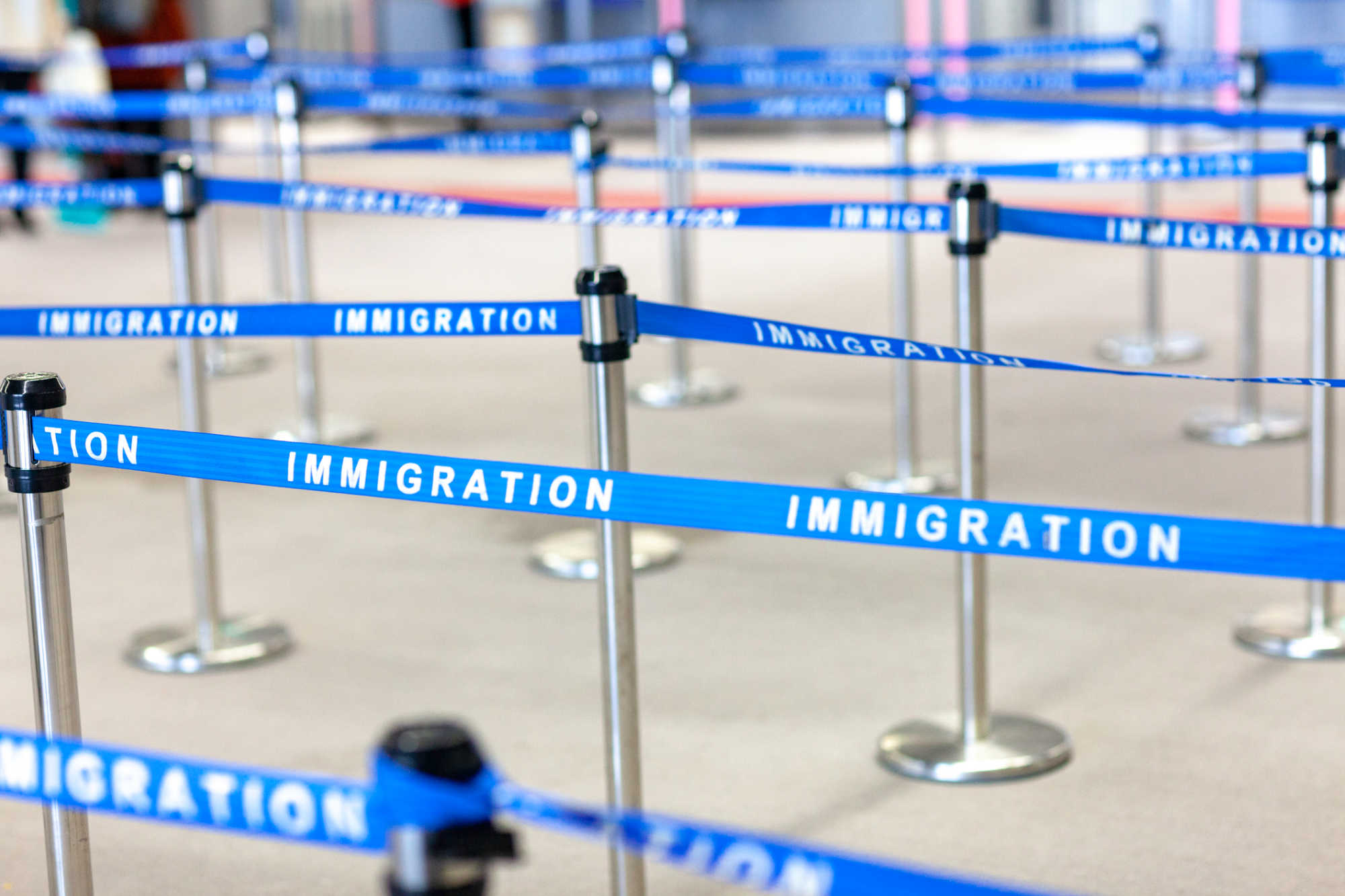
The Trump administration announced on Thursday a sweeping review of more than 55 million active U.S. visas to identify potential violations that could lead to revocations and deportations, according to the State Department.

The initiative marks a significant escalation in the administration’s immigration enforcement efforts, raising concerns among advocates and legal experts about its scope and implications. The State Department confirmed that all U.S. visa holders are subject to “continuous vetting” to detect indicators of ineligibility, such as visa overstays, criminal activity, threats to public safety, engagement in terrorist activities, or support for terrorist organizations. “Should such information be found, the visa will be revoked and, if the visa holder is in the United States, he or she would be subject to deportation,” the department stated in a written response to the Associated Press.
The State Department noted that the review targets specific violations and does not affect exemptions for lawful permanent residents, dual nationals, or certain visa categories like refugees or immediate family of U.S. citizens.
The review comes amid a broader push by the Trump administration to tighten immigration controls, including a June 2025 proclamation suspending visa issuance for nationals of 19 countries deemed high-risk due to inadequate vetting or high overstay rates. Countries like Haiti, Iran, and Somalia face full visa bans, while others, such as Venezuela and Burundi, face partial restrictions. The administration has also expanded social media vetting, targeting students and other visa holders for content deemed problematic, leading to the revocation of approximately 1,500 student visas earlier this year, though some were later reinstated after legal challenges.

Immigration officials estimate that around 5.7 million visa holders have overstayed their authorized periods, a key focus of the review. The administration has proposed “visa overstay enforcement teams” to locate and deport such individuals, alongside expanded use of expedited removal processes, which allow deportations without judicial review for those unable to prove two years of continuous U.S. presence.
The policy has sparked varied reactions. Supporters, including administration officials, argue it strengthens national security and ensures compliance with immigration laws. “We will continue to use every tool we can to assess who it is that’s coming here, whether they are students or otherwise,” said Tammy Bruce, a State Department spokesperson, in a May 2025 briefing about related vetting measures.
Critics, however, warn of significant disruptions. The American Immigration Council highlighted that the review, combined with other restrictions, could deter global talent, impacting industries reliant on foreign workers, such as healthcare and technology. “These regulations would significantly increase the red tape and expense of obtaining a visa,” the Council noted, citing potential economic losses. In 2023, nationals from the 19 countries under the June travel ban contributed $3.2 billion in household income and $715.6 million in taxes, according to the Council’s analysis.
Universities, heavily dependent on international students, are also bracing for impact. The pause on new student visa interviews, announced in May 2025, has already delayed admissions for many, with schools like Harvard and Cornell reporting enrollment challenges. “Students are scared, and universities are panicking,” said Arkesh Patel, chief operating officer at Crimson Education, noting a potential shift of international students to countries like the U.K.
Legal challenges are expected to mount. The ACLU and other groups have already blocked related policies, such as mass student visa revocations and attempts to limit federal funding for universities. A federal judge in Massachusetts recently halted a 15% cap on NIH grant indirect costs, signaling judicial scrutiny of the administration’s actions.

Logistical hurdles may also temper the review’s scope. Processing 55 million visa records requires significant resources, and past deportation efforts have fallen short of the administration’s goal of removing one million immigrants annually. Public sentiment is divided, with recent polls showing 47% disapproval of the administration’s immigration approach and 50% opposing its deportation methods. Conversely, 46% approve of policies making the country safer, and 60% support deporting criminals, per a Harvard CAPS/Harris poll.