




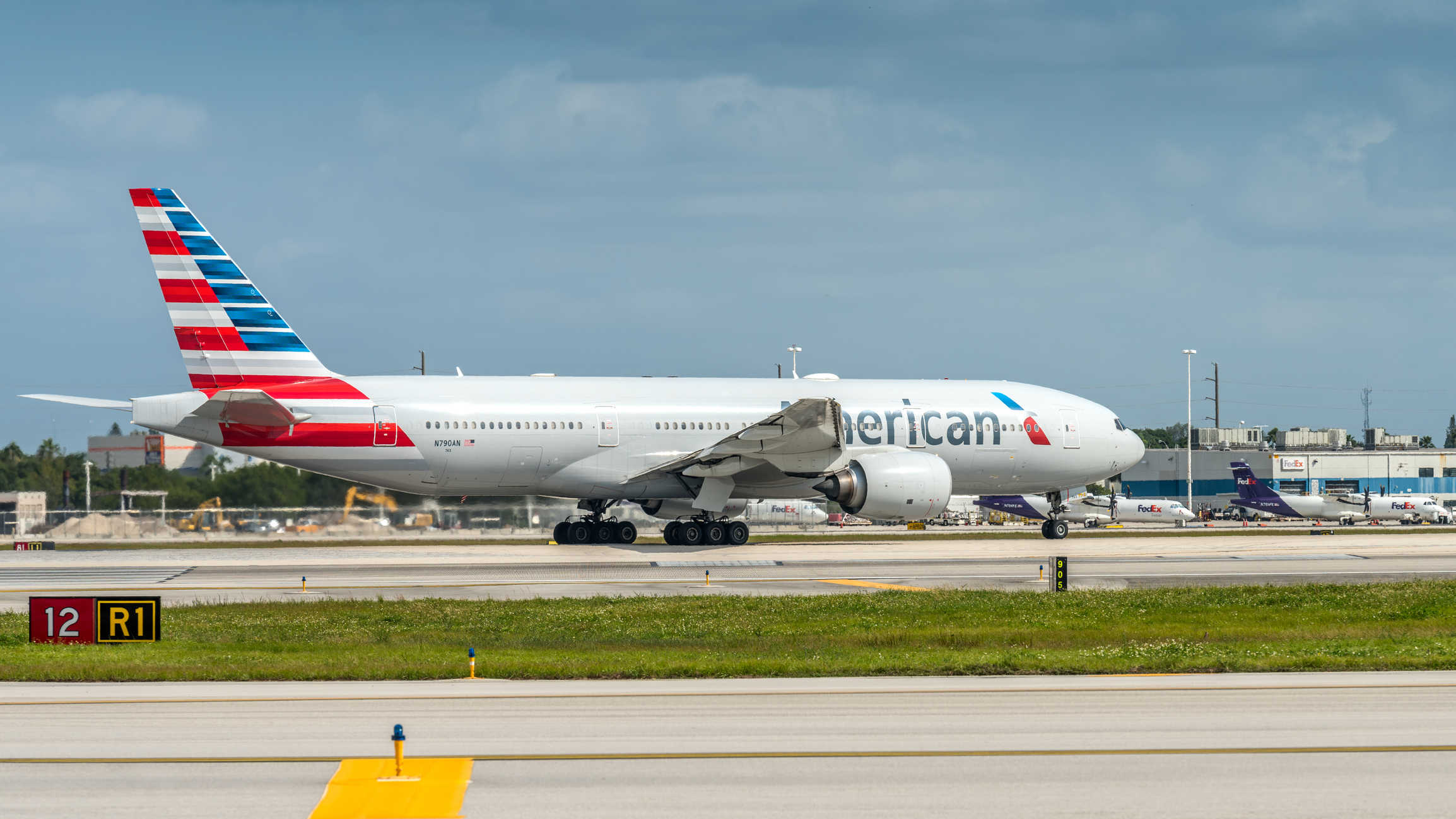
Travelers passing through Miami International Airport (MIA) and Fort Lauderdale-Hollywood International Airport (FLL) are bracing for significant disruptions as the Federal Aviation Administration implements a temporary reduction in air traffic amid an ongoing government shutdown. The cuts, which affect 40 high-volume airports nationwide, begin Friday morning and aim to alleviate pressure on understaffed air traffic control facilities and ensure safety in increasingly strained airspace.
Airlines operating out of these South Florida hubs, key gateways for domestic and international flights, have been instructed to scale back operations by up to 10 percent over the coming week.
The phased reductions will start at 4 percent on November 7, ramping up to 6 percent by November 11, 8 percent by November 13, and reaching the full 10 percent by November 14, according to FAA Administrator Bryan Bedford and U.S. Transportation Secretary Sean P. Duffy. This emergency measure affects departures and arrivals at MIA and FLL and the 38 other airports. At MIA and FLL, daily passenger volumes often exceed 100,000 combined, potentially leading to longer wait times, rerouted itineraries, and higher fares as carriers adjust schedules.
The decision stems from a critical shortage of air traffic controllers, many of whom have been working without pay for over a month during the shutdown—the longest in U.S. history. FAA officials cited recent safety data, including thousands of flight delays last weekend, as evidence of mounting system stress that could compromise operations if not addressed. "Our priority is the safety of the flying public," Bedford stated in the announcement, emphasizing that the reductions are a proactive step to prevent fatigue-related errors.

Other major passenger hubs impacted include Hartsfield-Jackson Atlanta International (ATL), Los Angeles International (LAX), and New York’s John F. Kennedy International (JFK), as well as cargo-heavy facilities such as Louisville International (SDF) and Memphis International (MEM). The list also includes smaller but busy airports like Teterboro (TEB) in New Jersey, which handles significant private jet traffic.
Airlines, including American Airlines and Spirit Airlines—both with strong presences at MIA and FLL—have begun notifying passengers of potential changes, advising them to check flight statuses frequently. Industry experts warn that the cuts could exacerbate holiday travel chaos, with ripple effects felt across connecting routes.

While the FAA has not specified an end date for the reductions, officials indicated they would lift the measures once the shutdown resolves and staffing stabilizes. In the meantime, travelers are urged to plan for flexibility, as the aviation sector navigates this unprecedented challenge.