




A transformative telecommunications project promising faster, more reliable internet for schools, hospitals, emergency services, and the broader community is one step closer to reality, as lawmakers on Thursday advanced legislation approving a major coastal zone permit for Trans Americas Fiber US, LLC to land a new submarine fiber optic cable on St. Croix.

Bill 36-0130 is an act ratifying the Governor of the Virgin Islands' approval of Major Coastal Zone Permit No. CZMJLW0001-24 issued to Trans Americas Fiber US. If approved, it would allow the permittee to use “existing pipeline bores installed at Butler Bay, St. Croix and connect a submarine fiber optic cable to the AT&T of the Virgin Islands telecommunications building” in Estate Northside, said Marlon Hibbert, director of the Division of Coastal Zone Management in the Department of Planning and Natural Resources. He told lawmakers that the annual rent of the 20-year lease would be $67,000.
According to Mr. Hibbert, the installation is part of a “larger project beginning in Vero Beach, Florida, and connecting countries including Puerto Rico, St. Thomas and St. Croix.” It also connects cables to countries in Central and South America and the Southern Caribbean. The cable from Florida to St. Croix will be some 2,000 kilometers long.
Rebecca Rubright, an environmental engineer representing Tysam Tech, provided additional information on the installation of the telecommunications cable. She noted that existing cables are “aging and nearing the end of service life and capacity” and cannot support the “growing digital needs of our territory.” She told lawmakers that it is all part of a “larger initiative to improve global communication channels.”

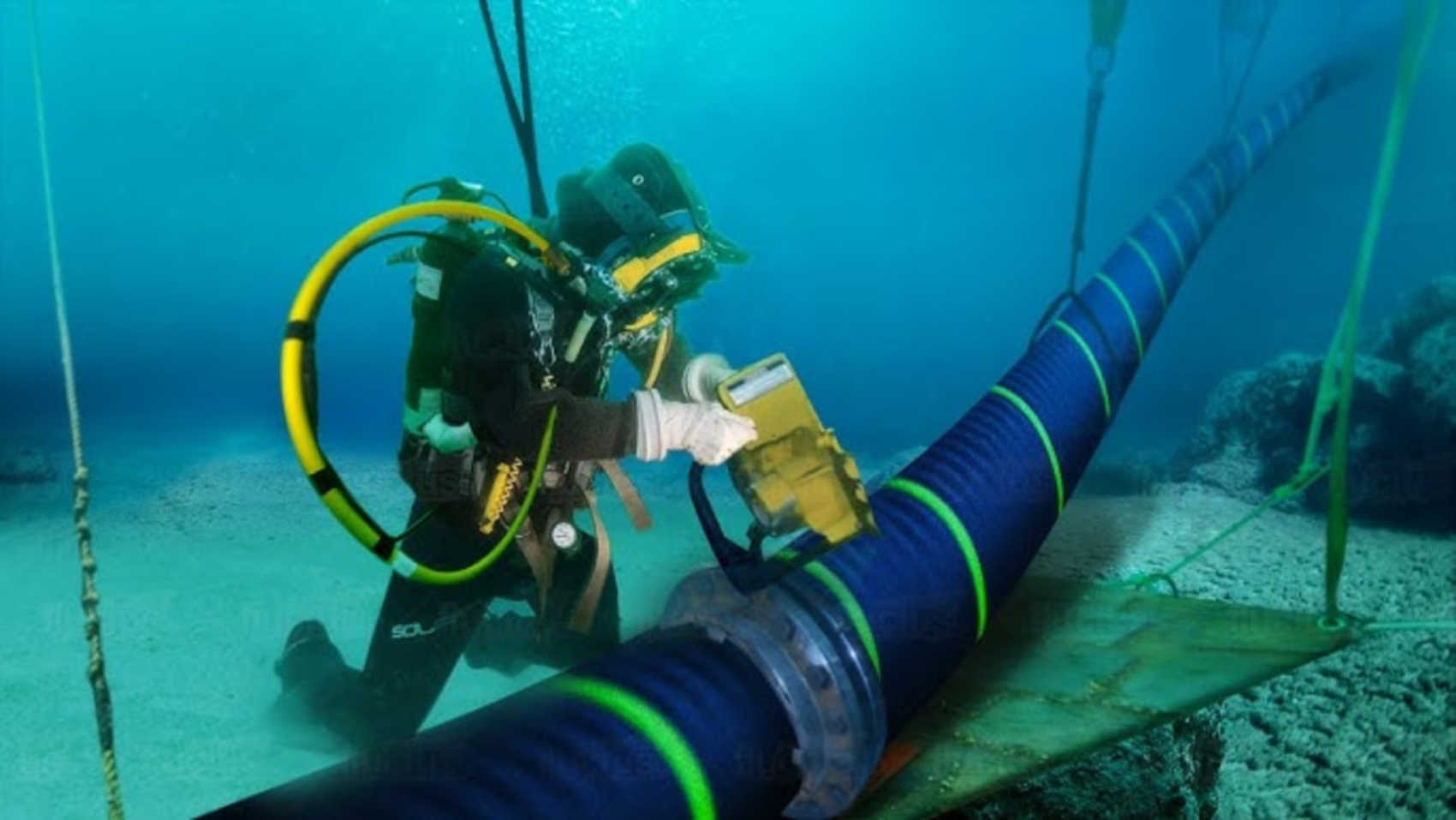
As the installation will use existing shoreline infrastructure and pipeline conduit, Ms. Rubright assured that the method is “environmentally conscious.” “No drilling, dredging or land disturbance is needed, and smaller vessels will be used to float the cable into place with the use of experienced support divers,” she stated. Existing cables will remain in the conduit already buried in the seabed off St. Croix.
The project also comes with perks for the government, as the Division of Coastal Zone Management successfully negotiated free bandwidth service. Per Ms. Rubright, Trans Americas Fiber US has committed to “free bandwidth to the Government of the Virgin Islands through viNGN.” Schools, hospitals, and emergency services now stand to benefit from “faster, more reliable internet access at no cost.”
The arrangement offers upload and download speeds of 50 gigabytes and will save viNGN an “additional $200,000.” Though several lawmakers were pleased with the offer, Senator Novelle Francis requested formal documentation outlining the arrangement. “I want to make sure it's in writing that we could hold individuals accountable for that,” he stated. Senator Avery Lewis agreed, complaining that “a lot of times people come in and talk, and then leave from here.”
Senator Angel Bolques Jr., however, was worried that the project could replicate the damage caused by AT&T’s initial fiber cable installation project 25 years ago. Responding to Ms. Rubright's assurances of negligible environmental impact associated with this cabling project, Bolques noted of the AT&T project that “the drilling that they did exposed tons of bentonite mud in Butler Bay. It killed a lot of conch, other aquatic organisms, and smothered large, large areas of seagrass,” he reminded Ms. Rubright. These actions violated the Clean Water Act, causing the government to sue for $23 million. The matter was ultimately settled for approximately $8 million.
The Trans Americas Fiber project, Director Hibbert assured, must submit a water quality application and receive permission from the U.S. Army Corps of Engineers. Additionally, “the route was designed so it doesn't interfere with any corals,” noted Mr. Hibbert.
Senator Kurt Vialet also attempted to placate his colleague, reminding him that “it's not going to be what took place 35 years ago, when they had to do all the borings and everything.”
Senator Hubert Frederick was agitated for a different reason, however, mistakenly believed that Trans Americas Fiber USA’s leadership was not part of the meeting. “This is a major undertaking,” said Mr. Frederick, who emphasized the need to be able to question the company’s executives. “You'll be giving out free services to schools, emergency services and the hospitals. We need to get to know each other,” he bemoaned.

Despite initial hesitation from Senators Bolques and Frederick, they joined the other 11 present lawmakers in voting favorably for Bill 36-0130.