

The U.S. Supreme Court ruled Monday that a Rastafarian former inmate whose hair was cut by Louisiana prison officials cannot seek money damages from the individual officers under the Religious Land Use and Institutionalized Persons Act of 2000, known as RLUIPA.

The 6-3 decision in Landor v. Louisiana Department of Corrections and Public Safety affirmed a ruling from the U.S. Court of Appeals for the Fifth Circuit. Justice Neil Gorsuch wrote the opinion for the Court, joined by Chief Justice John Roberts and Justices Clarence Thomas, Samuel Alito, Brett Kavanaugh and Amy Coney Barrett. Justice Ketanji Brown Jackson dissented, joined by Justices Sonia Sotomayor and Elena Kagan.
The case centered on whether RLUIPA permits plaintiffs to sue state employees in their personal capacities for damages when those employees have not consented to such liability.
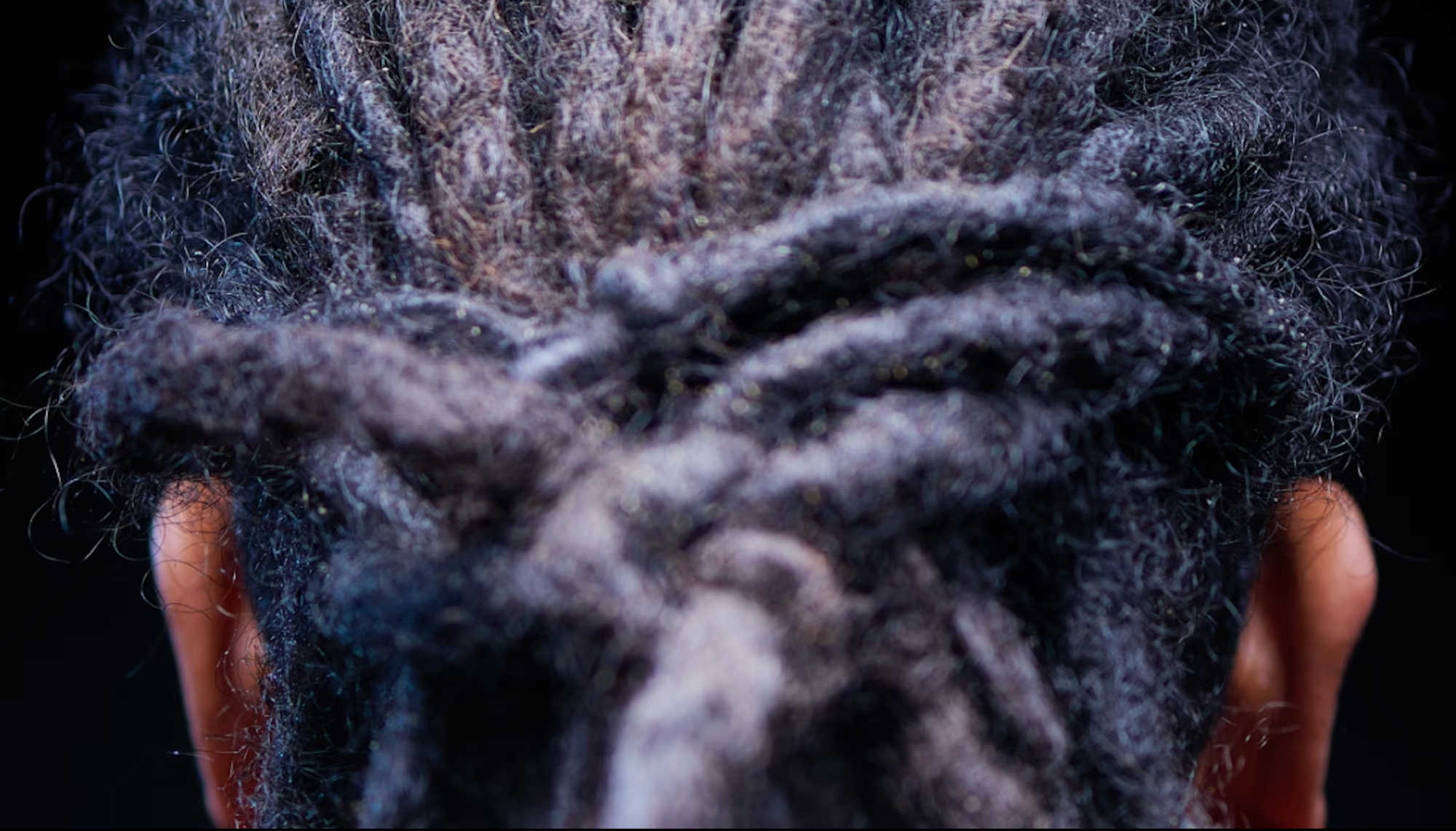
Damon Landor is a Rastafarian whose religious beliefs require him to keep his hair uncut. According to the Court, while in Louisiana custody in 2020 and near the end of his sentence, Mr. Landor became concerned that intake officers at a new facility would cut his hair under Louisiana Department of Corrections grooming policies.

To avoid that outcome, he provided officers with a copy of Ware v. Louisiana Department of Corrections, a Fifth Circuit decision that held RLUIPA generally bars prisons from cutting Rastafarians’ hair. According to the Supreme Court opinion, Mr. Landor says officers at the new facility responded by throwing his copy of Ware in the trash and shaving his head, causing him to violate his religious beliefs.
After the incident, Mr. Landor sued under RLUIPA seeking money damages. He sued the Louisiana Department of Corrections and individual officers in their personal capacities. The district court dismissed his RLUIPA claims, and on appeal Mr. Landor focused only on reviving the claims against the individual officers.
The Fifth Circuit declined to do so, holding that RLUIPA “does not permit suits against officers in their individual capacities.” The Supreme Court agreed.
Writing for the majority, Justice Gorsuch said RLUIPA operates under Congress’s Spending Clause authority, which allows Congress to attach conditions to federal funds given to state prison systems. The Court said Louisiana’s Department of Corrections, as a recipient of federal funds, had agreed to certain RLUIPA obligations, but the case before the Court involved claims against individual officers in their personal capacities.
According to the majority, Mr. Landor did not allege that those individual officers had entered into an agreement with the federal government or had “voluntarily and knowingly consented to answer private suits under RLUIPA.”
“To know that is enough to know the Court of Appeals was correct. Mr. Landor does not have a federal RLUIPA cause of action against the officers,” the Court stated.
The majority said Congress’s spending power “does not include the power to regulate” and that Spending Clause statutes can bind only those who “voluntarily and knowingly undertake obligations by agreement with the federal government.”
“Because that essential element is missing here, we affirm the judgment of the Fifth Circuit,” the Court concluded.
The majority did not decide whether RLUIPA ever permits money damages against funding recipients, such as a state prison system. Instead, the Court said it needed to answer only whether a plaintiff may bring a RLUIPA suit for damages against individuals who did not form any agreement with the federal government.
Justice Jackson, in dissent, said RLUIPA was enacted to ensure that state and local prisons respect prisoners’ religious exercise. She argued that the law allows prisoners to sue prison employees who violate the statute and obtain “appropriate relief.”
The dissent described Landor’s case in stark terms, noting that his Rastafarian faith required him to keep his locks and that he had maintained them for two decades. Justice Jackson wrote that at two facilities, officials accommodated his vow without incident. When he reached a third facility with three weeks left in his sentence, he brought a printed copy of Ware to show officials the law protecting his religious practice.
According to the dissent, the intake guard was “Unmoved” and “threw Landor’s papers in the trash.” The dissent continued: “When Landor couldn’t instantly meet that demand, two guards carried him into another room, handcuffed him to a chair, held him down, and shaved his head.”
Justice Jackson wrote that Mr. Landor “had federal law on his side” and “did everything he could do in real time to ensure that prison officials knew that.” The Court took the case, she said, to decide whether he could seek money damages from officials who ignored the law, held him down, and “uncrowned him before God.”
The dissent argued that RLUIPA’s language should be read similarly to the Religious Freedom Restoration Act, under which the Supreme Court has recognized money damages against officials in their personal capacities.
Justice Jackson warned that the majority’s ruling separates rights from remedies. She wrote that prisoners who suffer violations of religious freedom in state prisons, “no matter how blatant,” will often be left without a remedy.

The decision leaves intact the Fifth Circuit’s dismissal of Mr. Landor’s RLUIPA damages claim against the individual prison officers.