




The V.I. Department of Licensing and Consumer Affairs has filed a lawsuit against eight pharmaceutical companies, alleging that inadequate monitoring of suspicious opioid orders and misleading marketing practices contributed to opioid misuse and related harms in the territory.

The civil complaint, filed Wednesday in V.I. Superior Court, names Alvogen, Amneal Pharmaceuticals, Apotex Corporation, Hikma Pharmaceuticals, Indivior, Mylan, Sun Pharmaceutical Industries and Zydus Pharmaceuticals as defendants. DLCA alleges that the companies failed to establish or maintain adequate systems for identifying and preventing “suspicious” orders of the opioid products they manufactured and distributed.
According to the complaint, Alvogen for years “disclaimed any regulatory responsibility to implement a Suspicious Order Monitoring system” and therefore operated without a formal suspicious-order monitoring program for more than a decade.
The lawsuit alleges that Amneal implemented its monitoring program only belatedly and placed responsibility for administering it within the company’s sales department, creating what the government characterizes as a conflict of interest. The program, the complaint says, “was perfunctory and not adequately followed,” severely limiting its effectiveness. DLCA alleges that Apotex, Sun Pharmaceutical and Zydus Pharmaceuticals maintained similarly deficient systems.

Hikma, according to the complaint, recognized as early as 2006 that its suspicious-order monitoring program was inadequate but failed to correct the deficiencies. “Hikma failed to effectively implement even the inadequate program it maintained,” the lawsuit alleges.
DLCA’s allegations against Indivior extend beyond order monitoring. The company manufactures medications used to treat opioid addiction that themselves contain opioids, and the complaint alleges that Indivior failed to maintain an effective system to prevent diversion of those products while also engaging in aggressive marketing intended to increase prescribing.
Indivior “engaged in aggressive and misleading marketing to push doctors to prescribe more of its products than was necessary or appropriate,” the complaint alleges. According to the lawsuit, the company targeted doctors who were known to be “misprescribing and significantly contributing to the diversion of Indivior’s products.”
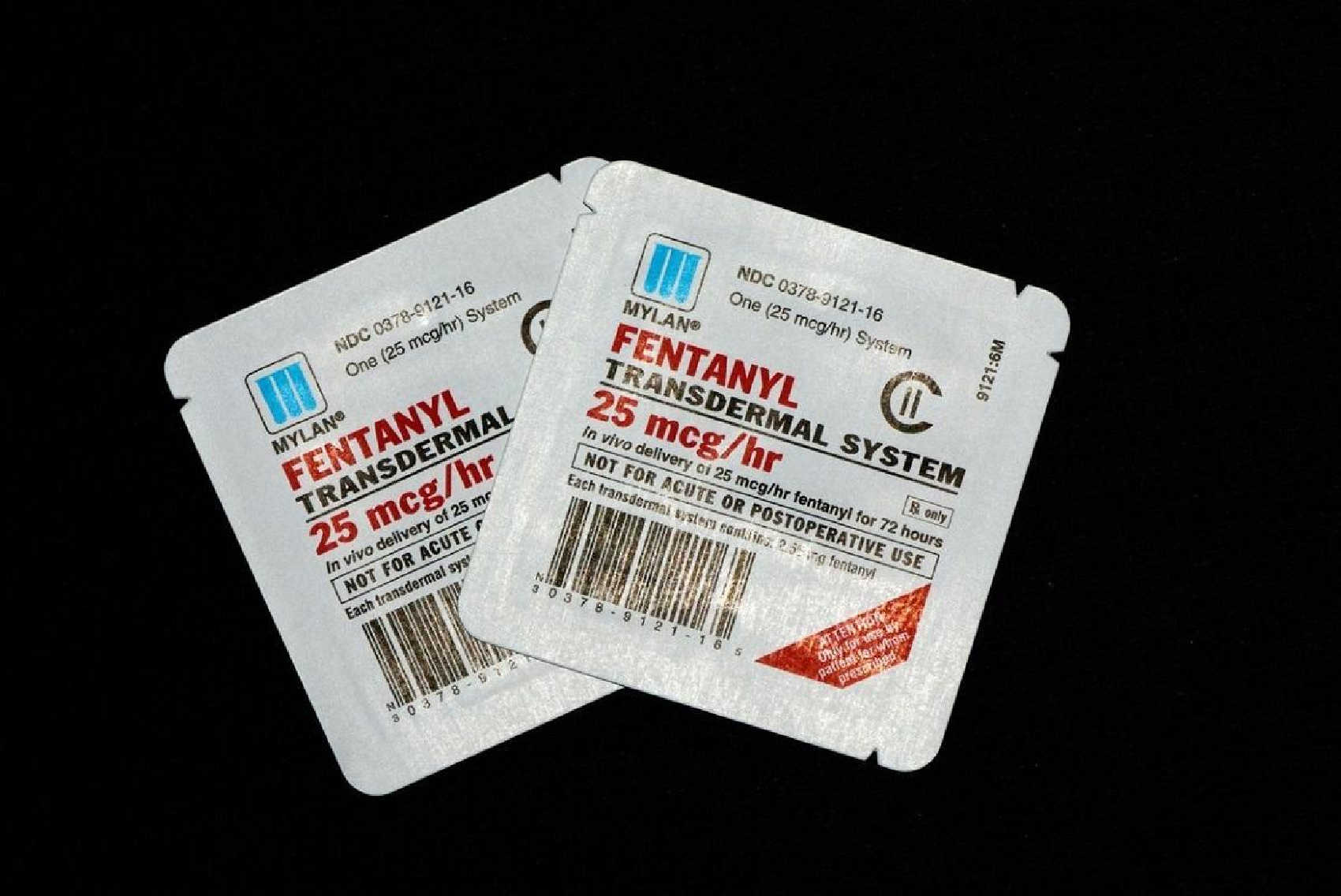
Mylan is accused of misleadingly promoting its fentanyl patches as safer than competing products. The complaint alleges that the patches were actually “prone to abuse” because “users could readily extract dangerous amounts of fentanyl…using methods that were not possible with other patch designs.”
DLCA argues that the defendants’ alleged failure to maintain effective controls against opioid diversion, combined with alleged misrepresentations about the risks and benefits of their products, violated the Virgin Islands Consumer Fraud and Deceptive Business Practices Act. The complaint also alleges that the companies’ conduct created an ongoing public nuisance under common law.
The department is asking the court to issue an injunction barring the defendants from engaging in further unfair or deceptive business practices. It is also seeking monetary relief, including compensation and restitution for harms the government alleges were caused by the companies’ conduct.
As of press time, none of the eight defendants had filed a response to the complaint.

The case represents another significant pharmaceutical-related action by DLCA. Earlier this year, the department sued the nation’s largest pharmacy benefit managers, alleging that those companies used their market power to increase prescription-drug costs and restrict access to less expensive medications.