




President Donald Trump announced on Wednesday that Coca-Cola, one of America’s most iconic brands, has agreed to replace high-fructose corn syrup (HFCS) with “real cane sugar” in its U.S. Coke products. The claim, made via Trump’s Truth Social platform, aligns with the administration’s “Make America Healthy Again” (MAHA) initiative, spearheaded by Health and Human Services Secretary Robert F. Kennedy Jr.

“I have been speaking to Coca-Cola about using REAL Cane Sugar in Coke in the United States, and they have agreed to do so,” Trump posted on Truth Social, accompanied by an image of a Coca-Cola bottle bearing his name. He described the decision as a “very good move” and thanked the company’s leadership, framing it as a victory for consumer health and his administration’s priorities. The announcement comes amid growing scrutiny of processed foods, driven by Kennedy’s vocal criticism of HFCS, which he has linked to obesity, diabetes, and other chronic illnesses.
Following the president's statement, Michelle Agnew, a spokesperson for Coca-Cola, stated, “We appreciate President Trump’s enthusiasm for our iconic Coca-Cola brand,” adding that the company would “share details on new offerings soon.”
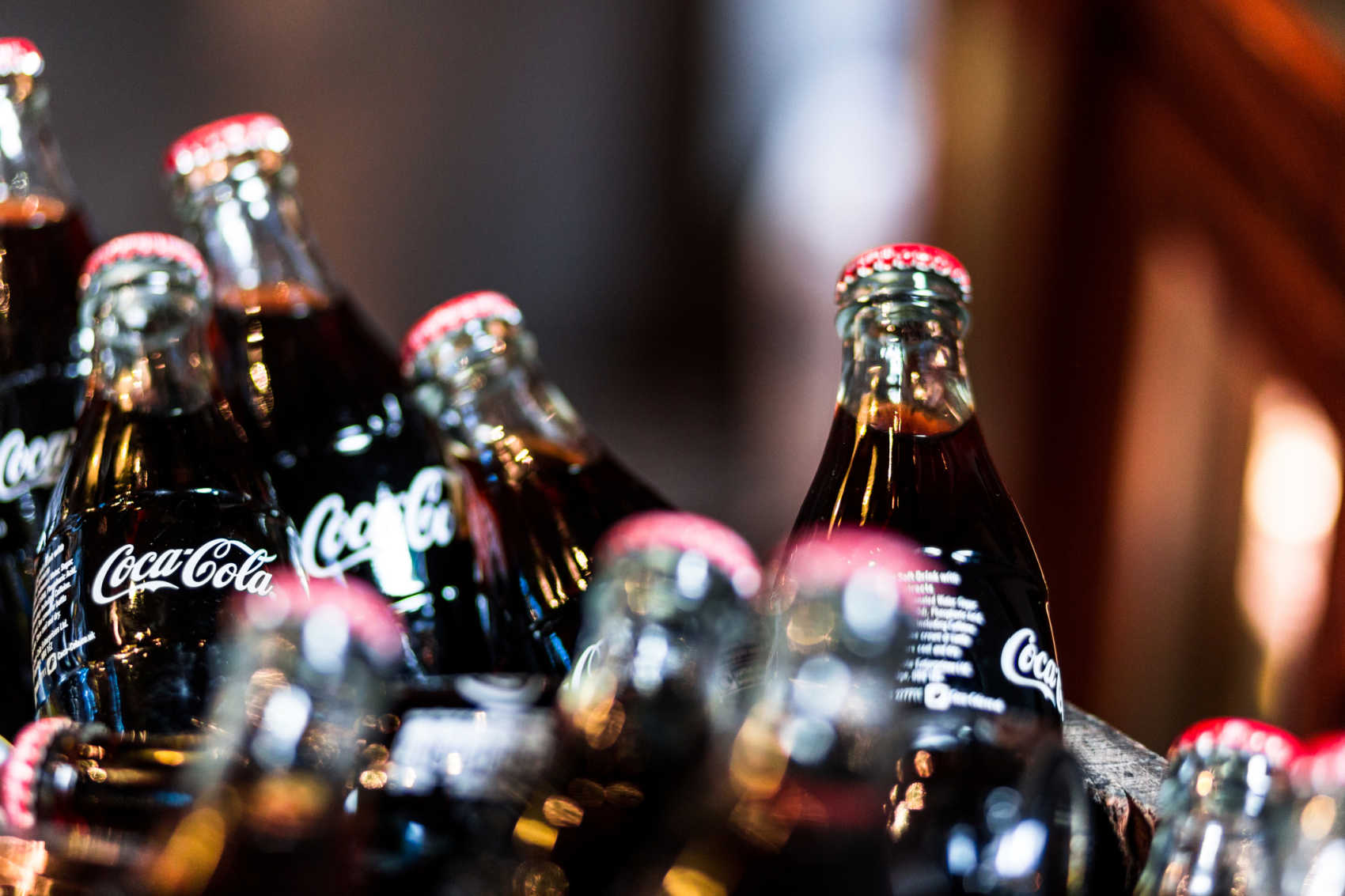
Coca-Cola has experience with cane sugar in other markets. In Mexico, Australia, the UK, Africa, and the Middle East, Coca-Cola uses cane sugar, often cited by enthusiasts for its smoother taste compared to HFCS-sweetened versions. In the U.S., however, HFCS has been the standard since 1985, driven by cost advantages tied to federal corn subsidies. Mexican Coke, sweetened with cane sugar, is already a niche favorite in the U.S., sold at a premium in glass bottles. Whether Coca-Cola would overhaul its entire U.S. production to adopt cane sugar remains unclear, as such a move would involve significant logistical and economic challenges.

The push to replace HFCS with cane sugar aligns with the MAHA initiative’s focus on reducing processed ingredients, but health experts are divided on its significance. Both HFCS and cane sugar deliver roughly the same caloric load—39 grams of sugar per 12-ounce can of Coke, close to the American Heart Association’s recommended 50-gram daily limit for adults. “From a nutritional standpoint, swapping HFCS for cane sugar is a lateral move,” says Dr. Laura Martinez, a nutritionist at the University of California, San Francisco. “The real issue is excessive sugar consumption, regardless of the source.”
Still, the symbolic weight of the change is undeniable. Kennedy’s criticism of HFCS, backed by studies linking it to metabolic disorders, has fueled public demand for “cleaner” food options. For consumers wary of processed ingredients, cane sugar may carry a perception of being more natural, even if the health benefits are minimal.

Beyond health, the potential shift to cane sugar could ripple through global trade and agriculture. The U.S. sugar industry, supported by $4 billion in annual subsidies, keeps domestic sugar prices nearly double those of the global market. This pricing structure led Coca-Cola and other companies to adopt HFCS decades ago. A return to cane sugar could boost demand for imported sugar, particularly from Caribbean nations like Jamaica and the Dominican Republic, where cane is a major crop. However, the move could face resistance from the powerful U.S. corn industry. John Bode, president of the Corn Refiners Association, dismissed the idea, stating that replacing HFCS with cane sugar “doesn’t make sense” from a health or economic perspective. Corn growers, who benefit from subsidies that make HFCS cheaper than sugar, could lobby against the change, potentially complicating Trump’s plans.