




President Donald Trump on Thursday unveiled TrumpRx, a new federal initiative aimed at reducing prescription drug costs, marking the latest move by his administration to address one of the most persistent financial pressures facing American patients.

Announced during a White House event, the launch of the TrumpRx website — accessible at TrumpRx.gov — introduces a centralized online platform where consumers can find discounted prices on dozens of commonly prescribed medications. The site is built around agreements reached with major pharmaceutical manufacturers and is intended to help Americans, particularly those paying out of pocket, access lower drug prices without navigating complex insurance systems.
Trump characterized the rollout as “one of the most transformative health care initiatives of all time,” saying it has the potential to generate significant savings for patients facing high medication costs.
The platform does not sell prescription drugs directly. Instead, it connects users to participating drug manufacturers’ websites, where medications can be purchased directly or where printable discount coupons can be obtained for use at retail pharmacies. At launch, TrumpRx lists more than 40 medications from 16 pharmaceutical companies, with administration officials indicating that additional drugs and manufacturers are expected to be added in the coming months.
Participating companies include Pfizer, Eli Lilly, Novo Nordisk, AstraZeneca, and EMD Serono. The medications available through the platform span several high-cost treatment categories, including diabetes, weight loss, asthma, HIV, and fertility care — areas that account for some of the most burdensome expenses in the U.S. health care system.
A central component of the TrumpRx initiative is its reliance on a pricing framework known as “most-favored-nation” pricing, which seeks to align U.S. prescription drug costs with the lowest prices paid by other developed nations. The administration says this approach is designed to prevent Americans from paying significantly more than patients abroad for the same medications.
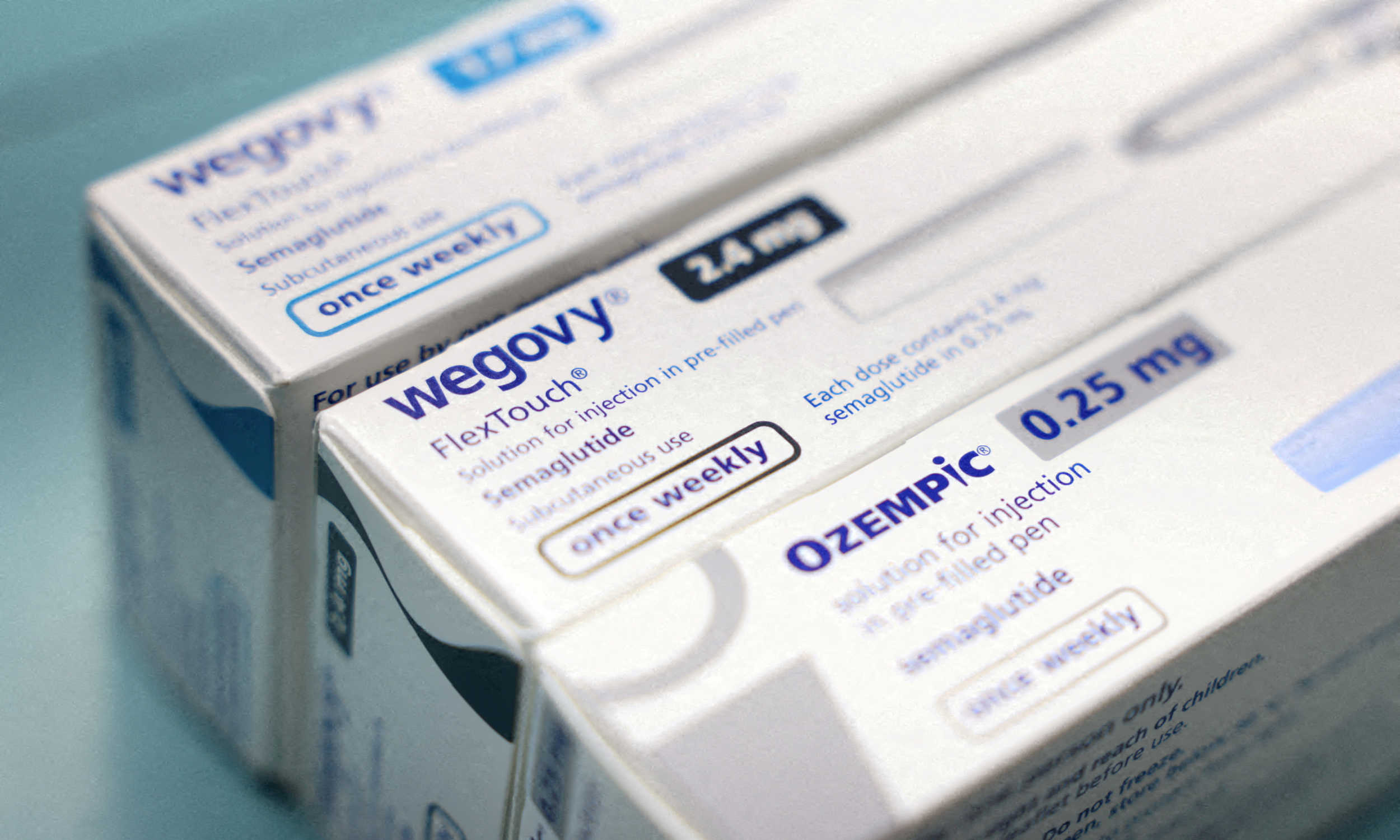
One of the most notable aspects of the program is the steep reduction in prices for GLP-1 medications, which have seen explosive demand in recent years for both diabetes management and weight loss. Under TrumpRx, Novo Nordisk’s Wegovy — which typically costs about $1,349 per month — is listed at prices as low as $149. Eli Lilly’s Zepbound drops from $1,086 to an average of $346, while Ozempic is offered at approximately $350 through the platform.
These medications were highlighted by administration officials as examples of how TrumpRx could ease financial strain for millions of Americans who rely on these treatments but have struggled to afford them.
Diabetes treatments are also prominently featured. Farxiga is listed at $181.59 with a 52% discount, Xigduo XR at $181.59 with a 70% reduction, and insulin lispro at $25, with no discount percentage specified. Other hormone and endocrine-related medications include Cytomel at $6, Levoxyl at $36, and Cortef at $45.90, each reflecting 50% reductions.
The TrumpRx platform also includes medications for respiratory conditions, such as Airsupra at $201 with a 60% discount and Bevespi at $51, reflecting an 89% reduction. HIV treatment Viracept is listed at $607.20 with a 50% discount, while antifungal drugs such as Diflucan and Vfend are priced at $14.06 and $306.98, respectively, both reflecting 50% reductions.
Fertility-related medications show some of the deepest discounts on the platform. Cetrotide is listed at $22.50 with a 93% discount, Gonal F at $168 with an 83% reduction, and Ovidrel at $84, reflecting a 67% discount. Hormone therapies including Premarin at $99, Premarin Vaginal Cream at $236.65, Prempro at $98.84, and Duavee at $30.30 show discounts ranging from 50% to 85%.
Additional medications include Chantix at $94.87, Eucrisa at $158.48, Protonix at $200.10, Pristiq at $200.10, Toviaz at $43.50, and Zyvox at $122.74, each reflecting discounts ranging from 50% to 85%. High-cost specialty drugs such as Ngenla are listed at $2,217.10 with a 50% discount, while Xeljanz is offered at $1,518.30, reflecting a 33% reduction.
Pfizer, one of the program’s largest participants, announced that it is offering discounts on more than 30 of its medications through TrumpRx, citing its participation in a most-favored-nation agreement with the federal government as part of a broader commitment to affordability. Other manufacturers, including AstraZeneca and Novo Nordisk, have followed with discounted pricing on inhalers, insulin, and other essential therapies.
According to a White House fact sheet, the pricing agreements stem from wider negotiations in which participating pharmaceutical companies were exempted from certain tariffs in exchange for lowering drug prices for U.S. consumers.
Several senior administration officials joined Trump at the announcement, including Mehmet Oz, administrator of the Centers for Medicare & Medicaid Services, and Joe Gebbia, a member of the Department of Government Efficiency. Their presence underscored the administration’s emphasis on interagency collaboration in launching the platform.
Technologically, TrumpRx relies on infrastructure provided by GoodRx, allowing the site to display cash prices and facilitate access to discounts. The design is intended to bypass insurance-related complications, particularly for uninsured patients or those facing high deductibles.
While the initiative has drawn praise for its potential to significantly reduce out-of-pocket expenses, some health policy experts have raised concerns about its overall reach. Critics note that the discounts primarily benefit patients paying cash and may have limited impact on insured consumers, whose prescription costs are often shaped by negotiations involving pharmacy benefit managers.
Questions have also been raised about the long-term sustainability of the program and whether it will ultimately expand to include a broader range of medications.
Public opinion polling continues to show that prescription drug pricing remains a top concern for American voters, with health care costs playing a key role in recent elections. TrumpRx builds on executive orders issued during Trump’s previous term, reflecting a populist approach to pharmaceutical pricing that has attracted bipartisan interest.
Consumers are encouraged to visit TrumpRx.gov to review available medications, compare prices, and explore discount options. Administration officials have emphasized that the rollout represents an initial phase, with plans to monitor usage and potentially expand the program in an effort to further drive down drug costs across the U.S. health care system.