




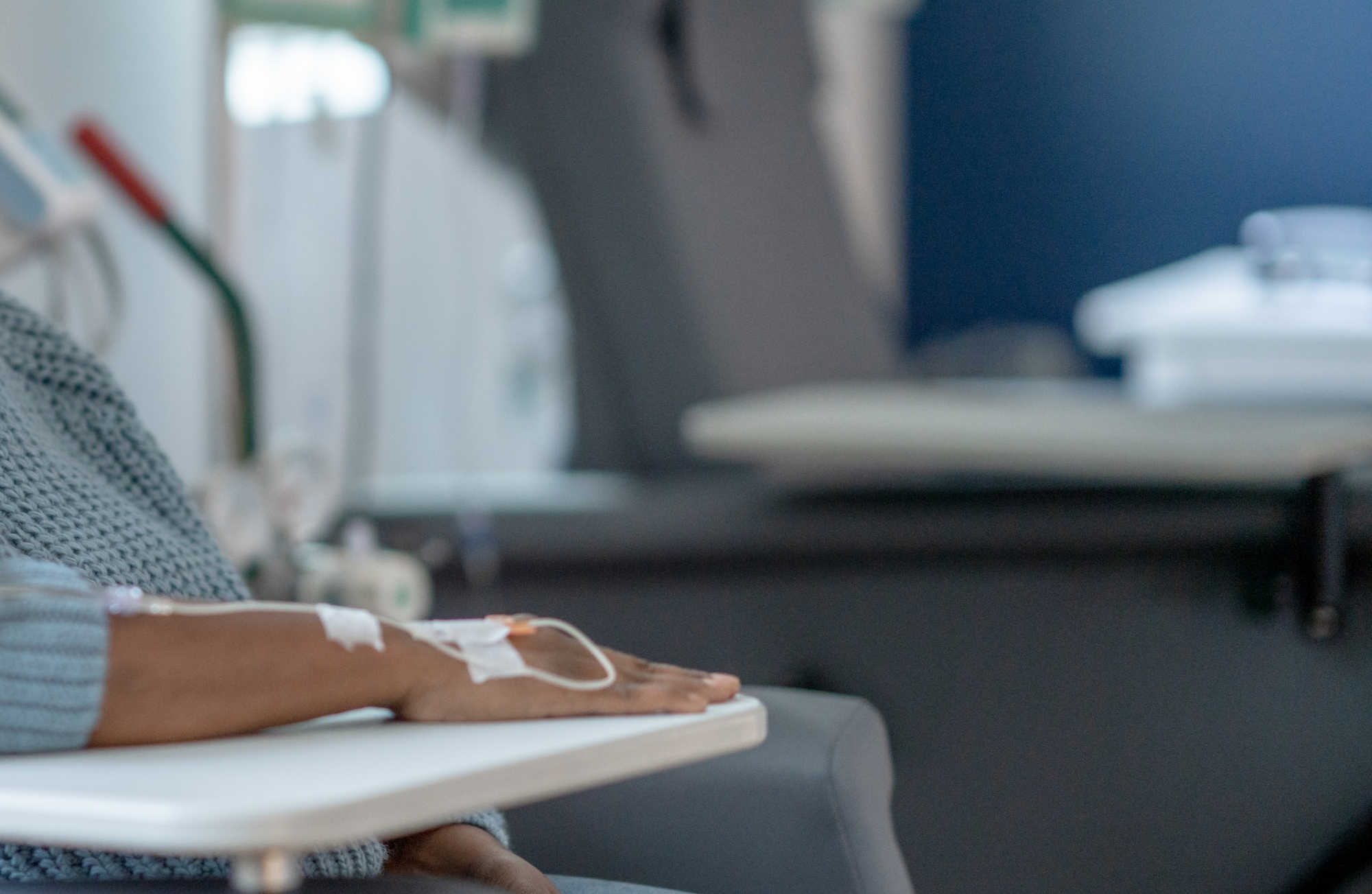
An alarming increase in chronic illness—particularly cancer, diabetes, and hypertension—is driving health insurance costs higher for the Government of the Virgin Islands, officials revealed during Friday’s special session of the Legislature.

The meeting, called by Governor Albert Bryan Jr., focused on Bill No. 36-0126, which would establish a special committee to issue a Request for Proposal (RFP) to explore transitioning to a self-funded group health and dental insurance model. Governor Bryan said the legislation responds to a “significant rise in premiums under the existing fully funded plan,” and warned that the current trajectory of healthcare costs calls for “decisive legislative action.”
The measure ultimately failed, with lawmakers citing concerns over the government's financial instability, exclusion of the GESC Board, and the potential harm to employees if claims go unpaid under a self-funded system.
While administration officials emphasized cost-saving opportunities through self-funding, testimony from Beverly Joseph, Chair of the Government Employees Service Commission (GESC) Health Insurance Board, painted a more troubling picture of the health landscape in the territory.

“In January, when Cigna reported to the board, they told us our cancer rate has gone through the roof,” said Joseph. She added that medical costs have surged due to a growing number of seriously ill patients—including 12 plan members with claims exceeding $2 million.
According to Joseph, the use of GLP-1 drugs like Wegovy for diabetes and weight loss is also driving costs. These drugs are covered under the plan and are seeing widespread use—not just for diabetes, but off-label for weight management.
The deteriorating health of the insured population, Joseph said, makes a transition to self-funding risky. “You are going to have to pay off the $36 million to Cigna that’s owed, have $6.9 million weekly for claims, and be prepared for fluctuations,” she warned. “If someone misses their chemotherapy because claims aren’t paid, that is on us.”
The board, she said, is not opposed to self-funding but insists that the government must be fully prepared before making such a shift. The Gehring Group, the board’s consultant, compared the self-funded model with the current fully funded plan and estimated a savings of only 2.5%—about $4.3 million—under self-funding, with no guarantees.
In response to concerns raised during testimony, Director of Personnel Cindy Richardson said the government seeks only to gather information, not immediately transition. Still, she cited possible conflicts of interest on the part of the board, implying that its longstanding relationship with the current carrier may influence its judgment.
Joseph rebutted those claims, pointing out that the board meets regularly, includes fiduciary experts, and shares all claims data with advisory members. “The board is doing its job,” she said, and warned that removing the GESC Board from the RFP process undermines the very expertise needed for such a complex transition.
Senators were visibly unsettled by the statistics and stories shared. Senator Franklin Johnson grew emotional as he recalled recent deaths from cancer and recounted his own battle with prostate cancer. “This entire week, every other day, somebody in the Virgin Islands lost their life from cancer,” he said. “We’re talking about saving dollars—but at what cost to people’s lives?”

As discussions intensified, a power outage at WAPA’s Randolph Harley Power Plant abruptly halted the session.