
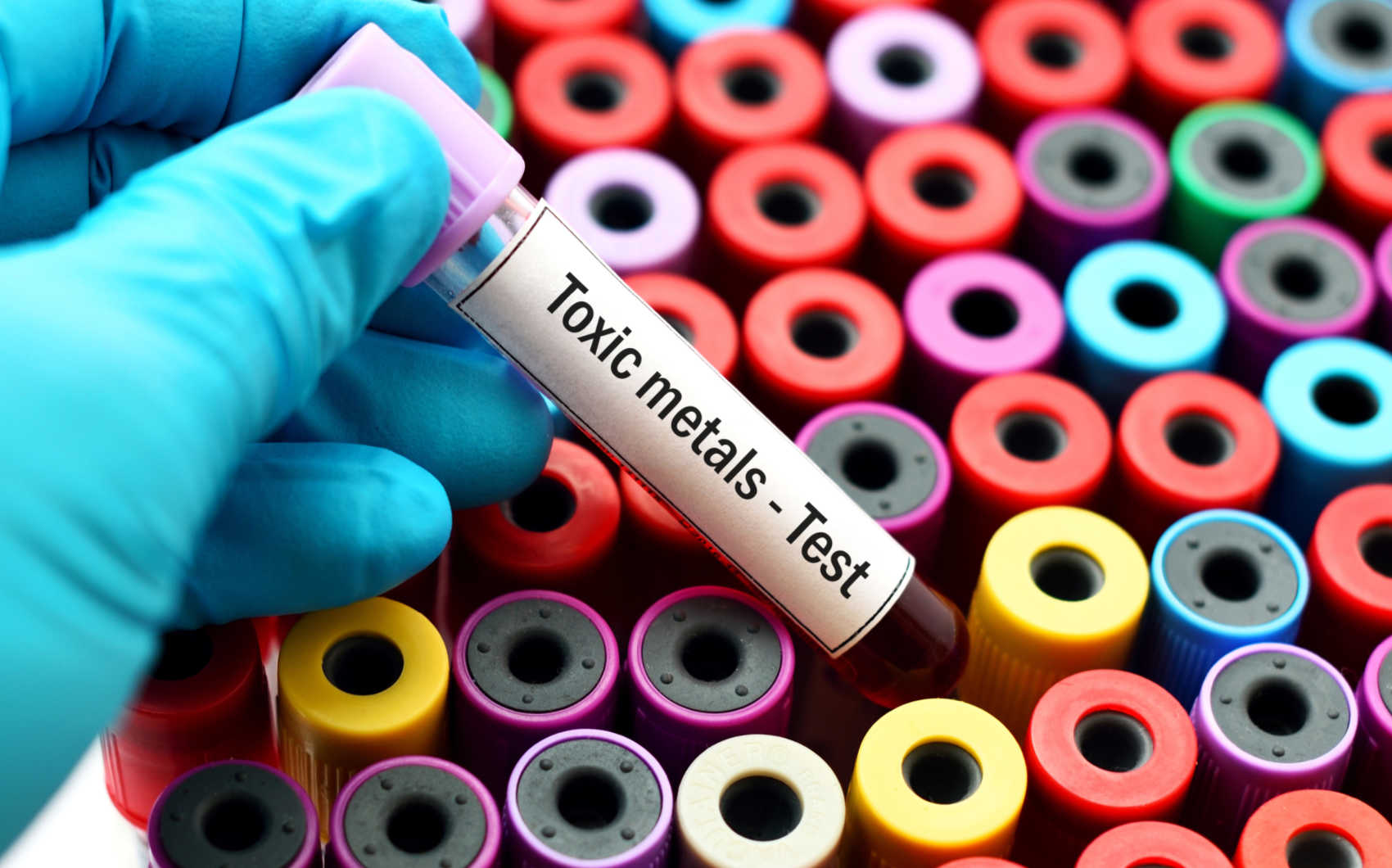
Under scrutiny of possible widespread lead contamination in the territory’s water system, Virgin Islands senators are calling for more extensive lead testing than the current V.I. Department of Health plan to screen 1,000 children.

As DOH readies to launch a substantial lead testing initiative starting November 6th, legislators are advocating for a broader scope following revelations of heavy metal contamination in parts of St. Croix’s water distribution.
Senator Donna Frett Gregory voiced a pressing need for expanded testing during a legislative session, stating, “is there consideration to test all children in all of our schools in the territory? [...] I think we should give consideration to all schools in this territory including public, private and parochial schools as it relates to lead and copper testing.”
This comes after Acting Health Commissioner Dr. Nicole Craigwell-Syms announced the successful completion of the DOH’s “Safe Haven – A Lead-Free Families Initiative” pilot phase, which saw no signs of lead exposure in 64 tested students from Alfredo Andrews Elementary School.

While the DOH’s immediate goal is to test 1,000 children on St. Croix, the senators’ stance underscores a growing concern over the health impacts of lead found in the Water and Power Authority’s potable water. Territorial Epidemiologist Dr. Esther Ellis addressed the legislative body about the potential symptoms of copper poisoning, a testing process yet to be initiated by the DOH. “When you're exposed to high levels of copper, the symptoms are usually quite severe,” she explained. Dr. Ellis also noted the logistical challenges, stating that due to the lack of local testing capacity, blood collections for copper screening would be targeted and samples sent overseas for analysis.
In response to DOH’s call for parents to pre-register their children for lead screening through an online portal, Senator Marise James called for a more “aggressive campaign,” questioning the effectiveness of online registration and urging for active outreach. Dr. Craigwell-Syms assured that DOH has personnel conducting door-to-door visits but also emphasized the importance of online data collection to establish a health baseline.
The health deaprtment's current campaign targets the testing of children aged 0-6, but health officials have indicated plans for further expansion. Pregnant women are also being prompted to seek lead testing during prenatal visits. Despite these efforts, Dr. Ellis acknowledged the current limitation of testing supplies.

As the community awaits the commencement of the DOH’s testing campaign, the debate continues over the adequacy of the measures in place to ensure the health and safety of the island’s children amidst a water crisis.