




As the Government of the Virgin Islands prepares for another increase in health insurance costs, lawmakers and health plan officials are turning their attention to a factor they say could help restrain long-term spending: getting government employees to use preventive care before manageable conditions develop into serious and costly illnesses.

The discussion came during Thursday's Committee of the Whole hearing on the government's fiscal year 2027 insurance renewals. Cigna's medical premium for active employees and non-Medicare retirees is set to increase 7 percent, adding approximately $9.5 million to the central government's cost and bringing that portion of the medical plan to about $146 million. When the various insurance renewals are combined, the package carries a 5.8 percent increase. Government budget projections separately show total group health insurance premiums rising from $223.5 million to $236.4 million in FY2027.
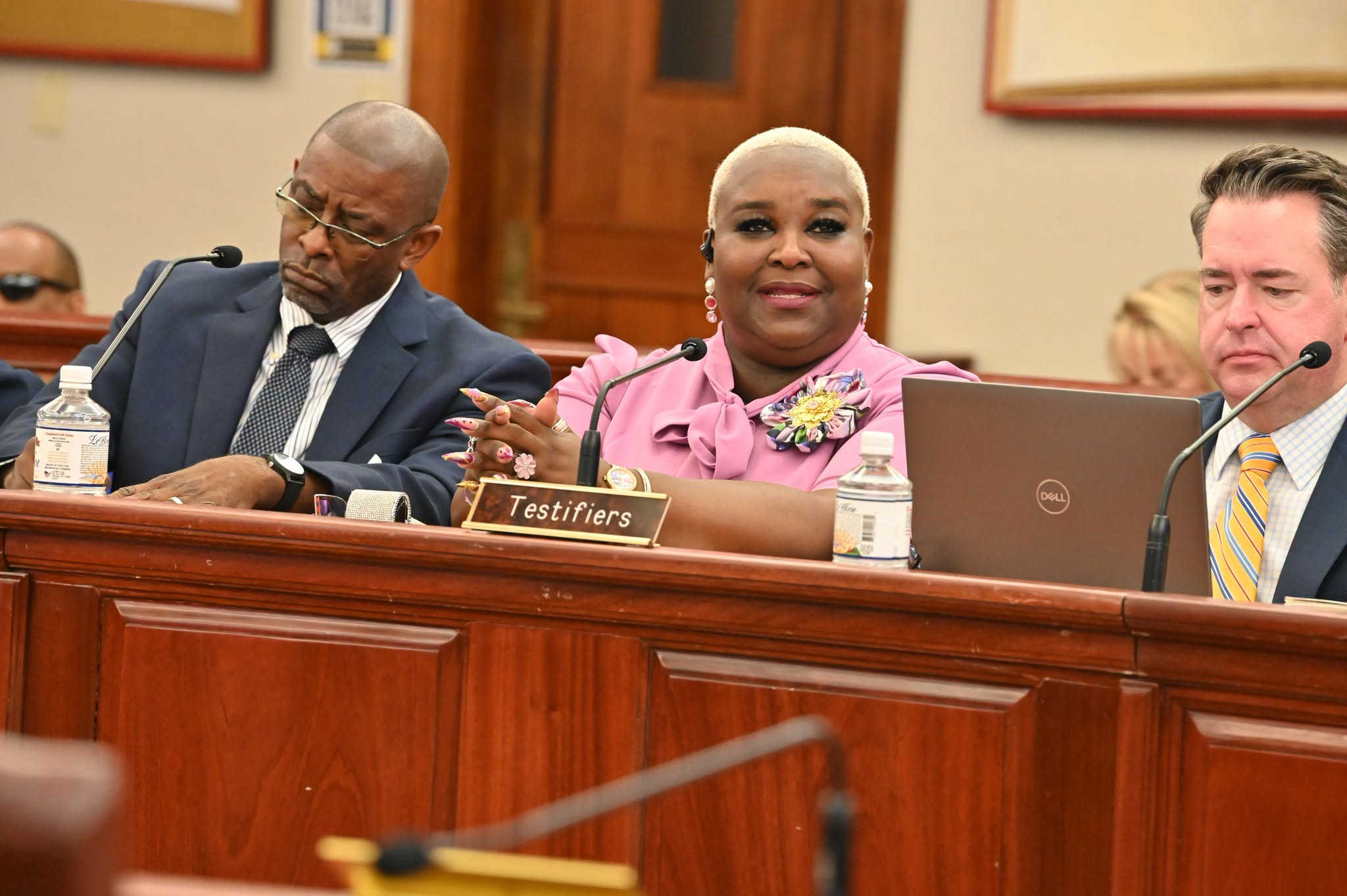
A relatively small number of extremely expensive medical cases continues to place significant pressure on the plan. Cigna representatives told lawmakers that high-cost claims between October 2025 and August 2026 totaled approximately $93.4 million. Beverly Joseph, chairperson of the Government Employees Service Commission Health Insurance Board, said at least 12 members had generated claims exceeding $2 million during the current plan year, with that number increasing to 14 in September. Several of those individuals, she said, are simultaneously managing multiple chronic illnesses.
Against that backdrop, preventive care became a recurring theme during Thursday's hearing. Senator Franklin Johnson questioned whether government employees were adequately using benefits already available to them, including routine examinations and gym memberships. “I say one of the biggest problem we have is people just ain't doing the checkup… and prevention in anything is a lot less,” he said.

Ms. Joseph agreed, arguing that plan members also bear responsibility for managing their health before illnesses become more severe. “They have to go to the doctor. They have to stick to the regimen that the doctor gave them. Take their medications,” she urged.
Deepali Sahi, a Cigna Healthcare account executive, provided one of the more striking statistics of the hearing. Of the participating males, she said, “only 28% completed any type of physical or wellness exam.”
Ms. Joseph said agencies cannot simply dismiss employees for failing to undergo annual examinations, but argued that government leadership should do more to enforce requirements that already apply to certain occupations. “This body has departments [and] agencies – police, fire, [Bureau of Corrections], that in their budget says they have to do their physical, but they're not holding their members accountable,” she said.
She offered public-safety employees as an example of the potential consequences of failing to identify health problems before strenuous activity exposes them. “And then when they go out, they're running [after] a suspect, they drop down dead. You say, "Oh my God, they die in the line of fire.” No, they catch a heart attack because they wasn't going to the doctor,” Ms. Joseph stated. “Hold them accountable to seek the care that you budget,” she advised lawmakers.
The Division of Personnel has introduced programs intended to encourage healthier lifestyles, but participation remains voluntary in many instances. “Some do and some don't,” Ms. Joseph said.
She also recalled an earlier attempt by the Health Insurance Board to compel greater participation through a $500 annual penalty for employees who failed to complete a physical examination. The result, she said, demonstrated how resistant some members were to preventive care. “Believe it or not, we had employees, the same employees for three years straight, that would take a penalty, refusing to go to the doctor,” Ms. Joseph said. The Board ultimately waived the penalty.
The disclosure troubled Senator Clifford Joseph, a former director of the V.I. Fire Service. He recalled taking a stricter approach when he headed the agency. His mandate, he said, was: “when we get to the date, you're not allowed to come to work until you go to the doctor…You don't have a choice. If you want your job, you go to the doctor. You don't want your job? Stay home.”
Senator Joseph argued that annual examinations are particularly important for employees whose jobs require significant physical exertion, including police, firefighters and corrections officers. “Because once you getting physical, chances are your heart rate going up. You get some blockage you didn't know. You drop down any job, and then it's a crisis,” he said.
Concerns about low participation in preventive care are not new. During a 2023 government health insurance hearing, the Legislature reported that Cigna officials had observed declines in annual physicals, cancer screenings and diabetic preventive screenings in the Virgin Islands, while the Health Insurance Board reported increases in chronic illnesses including heart disease, diabetes and advanced cancers.
The FY2027 agreement provides additional money intended to encourage employees to become more active in managing their health. The Health Insurance Board negotiated another $500,000 from Cigna for wellness initiatives, increasing the available fund to $1.5 million. Of that amount, $750,000 is designated for approved gym memberships and personal training, while the remaining $750,000 will support approved wellness activities, events and incentives.
Cigna will also provide health coaches, on-site customer service representatives, health improvement offices, mobile health vans and programs including Omada's Pre-Diabetes Prevention Program and MotivateMe. Lawmakers, the Division of Personnel and the Health Insurance Board said the challenge now is persuading more government workers to make use of benefits already available to them.

For Ms. Joseph and several senators, the underlying argument was that while preventive care cannot eliminate catastrophic illness or guarantee lower insurance costs, earlier detection and management of chronic conditions could help prevent some cases from becoming significantly more expensive — an increasingly important consideration as the government's annual health insurance bill continues to climb.