

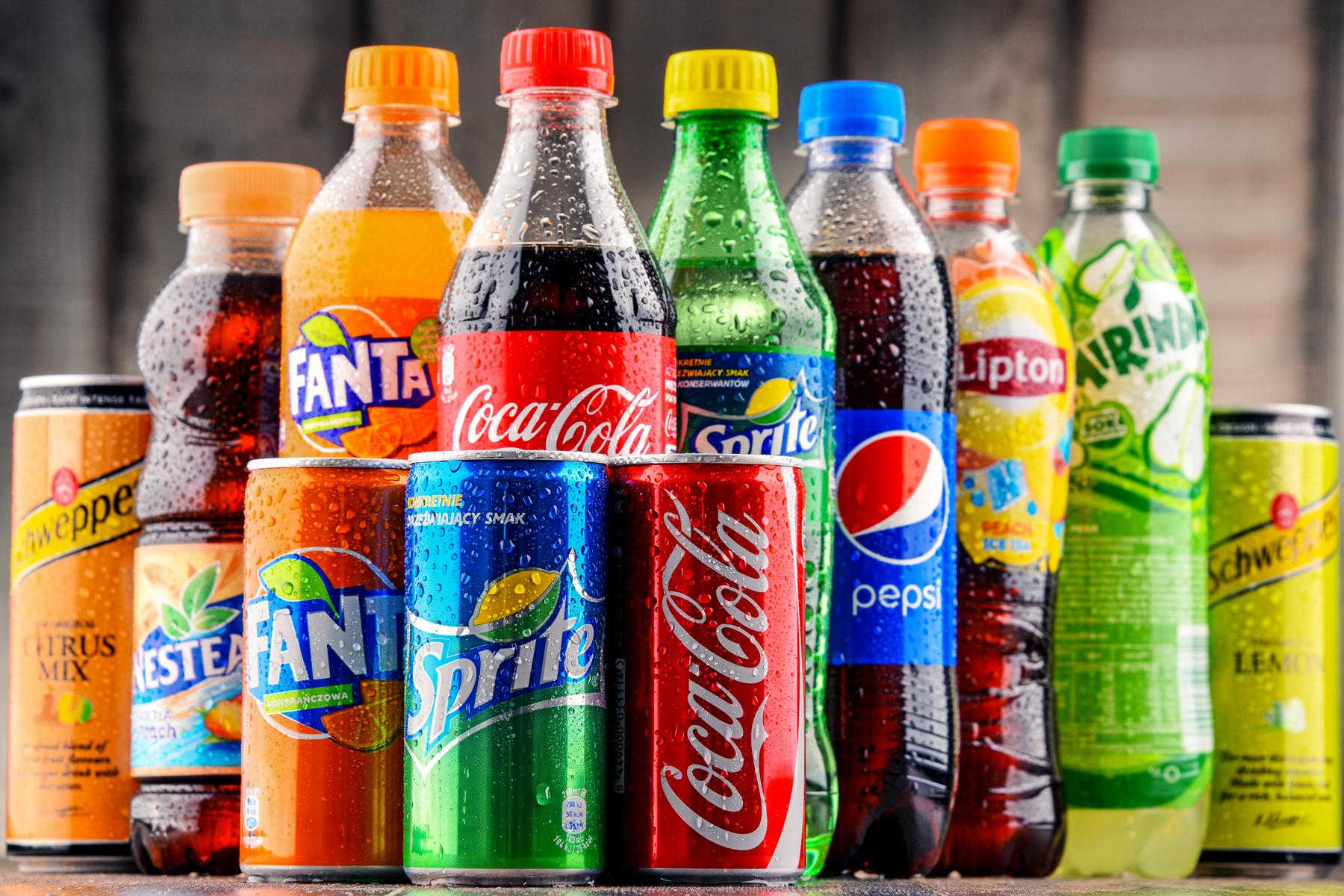
In a move aimed at reshaping America’s nutrition landscape, Health and Human Services (HHS) Secretary Robert F. Kennedy Jr. has spearheaded a campaign to prohibit the use of Supplemental Nutrition Assistance Program (SNAP) benefits for purchasing soda and sugary drinks, arguing that taxpayer dollars should not fund foods linked to chronic diseases like diabetes.

The U.S. Virgin Islands has one of the highest rates of SNAP usage in U.S. jurisdictions. Over 15,000 Virgin Islanders – out of a population of roughly 87,000 – rely on SNAP, according to mid-2025 data. This translates to roughly 17–18% of the territory’s population receiving food assistance via SNAP. By comparison, about 12.5% of the overall U.S. population were SNAP recipients as of 2023.
Speaking at an event in West Virginia on August 4, alongside USDA Secretary Brooke Rollins and Governor Patrick Morrisey, Kennedy declared, “The U.S. Taxpayer should not be paying to feed the poorest kids in the country food that will give them diabetes.” His remarks, part of the broader “Make America Healthy Again” (MAHA) initiative, have ignited a firestorm of debate, with supporters praising the focus on public health and critics warning of overreach and unintended consequences for low-income families. States like West Virginia, Nebraska, and others have moved to implement these restrictions.
Kennedy’s campaign hinges on the significant cost of SNAP, which he claims amounts to “$405 MILLION a day,” with “10% going to sugary drinks” and “13 to 17%” when including candy. These figures, though contested for their precision, underscore his argument that a substantial portion of the program’s budget is spent on items that exacerbate health issues, particularly obesity and diabetes, which burden public healthcare systems like Medicaid. The SNAP program, administered by the USDA, allows benefits to be used for most foods except alcohol, tobacco, and hot meals, but excluding specific items like soda requires state waivers or Congressional action.

Kennedy has rallied governors to pursue waivers, with Nebraska becoming the first state to secure USDA approval in May 2025 to ban soda and energy drinks. By August, states including Arkansas, Idaho, Iowa, Indiana, Utah, Colorado, Florida, Louisiana, Oklahoma, Texas, and West Virginia had either followed suit or announced plans to do so, signaling a growing state-level movement.
The policy push aligns with Kennedy’s MAHA agenda, which frames healthy eating as a national priority akin to a patriotic duty. He argues that restricting SNAP purchases could reduce healthcare costs and improve outcomes, particularly for low-income children vulnerable to diet-related diseases.
At the August 4 event, Kennedy emphasized personal freedom, stating, “We all believe in free choice. We live in a democracy. People can make their own choice about what they are going to buy and what they are not going to buy. If you want to buy a sugary soda, you should be able to do that, but the U.S. Taxpayer should not pay for it.”
This stance aims to counter critics who argue that restrictions limit autonomy and stigmatize SNAP recipients. Supporters, including conservative lawmakers like Rep. Josh Brecheen, applaud the initiative as a commonsense step to align public spending with public health goals, while USDA Secretary Rollins has pledged technical support to expedite state waivers.
However, the proposal faces fierce opposition from anti-hunger advocates and industry groups. Joel Berg, CEO of Hunger Free America, called the restrictions “illegal and horrible public policy,” arguing that they unfairly target low-income families without addressing systemic barriers like food deserts or the high cost of healthy alternatives.
The American Beverage Association has also pushed back, contending that soda consumption among SNAP recipients mirrors that of the general population and that bans would burden retailers with enforcement costs without clear health benefits. Past attempts to restrict SNAP purchases, such as Minnesota’s in 2004 and Maine’s in 2018, were rejected by the USDA due to logistical complexities, raising doubts about the feasibility of Kennedy’s vision. Critics further note that Kennedy’s $405 million daily SNAP spending figure may exaggerate actual costs, as the USDA reported $112.8 billion for 2023, and question whether bans will reduce soda consumption without broader efforts to improve access to nutritious foods.
The debate also highlights tensions within the federal government. SNAP falls under USDA jurisdiction, and some agency officials view Kennedy’s involvement as an overreach by HHS. Despite this, Rollins’ support has smoothed the path for state waivers, marking a rare alignment between the two agencies.
Meanwhile, Kennedy’s broader MAHA agenda—encompassing bans on artificial food dyes, revisions to dietary guidelines, and promotion of exercise—continues to gain traction, with HHS and the FDA working to define ultra-processed foods. The success of these efforts may hinge on whether Kennedy can sustain bipartisan support and navigate the complex politics of food policy.