



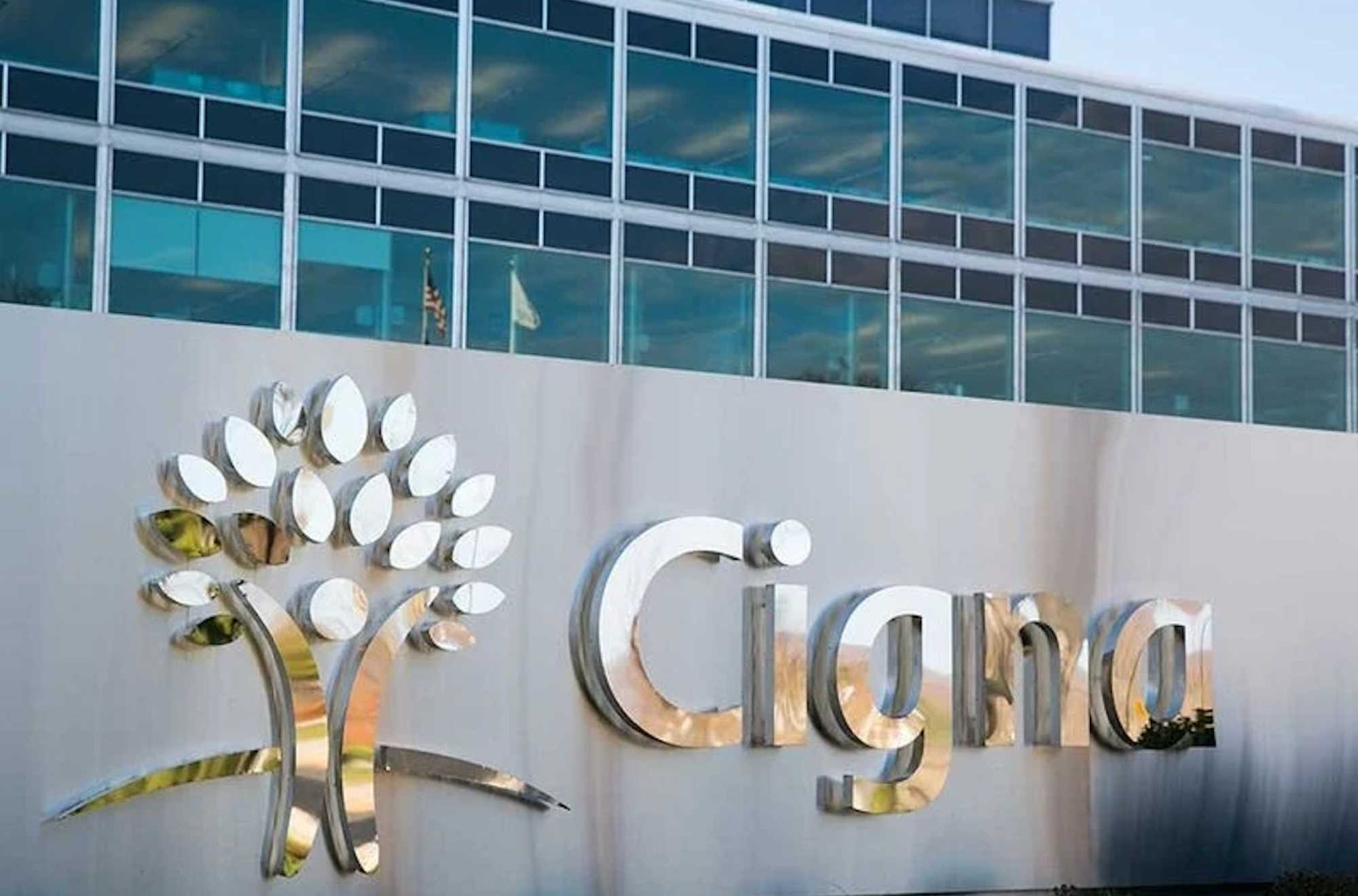
The 36th Legislature has approved Bill 36-0189, which renews the Government of the Virgin Islands’ various insurance plans with Cigna.
Selecting an insurance plan was a complex effort that involved multiple revisions and the input of the government employees who benefit from the plan, said Beverly Joseph, chair of the Government Employment Services Commission Health Insurance Board of Trustees. She informed lawmakers that the combined employee, retiree, and government costs for all insurance coverages for FY2026 include an increase of $27,259,574, or 13.7% of the overall cost.
As of July 2025, medical claims expenditures were at 113% of the medical plans’ premiums, a figure that excludes administrative costs. With such losses, Ms. Joseph explained that the potential increase could have exceeded 30%. The Board’s consultant, the Ghering Group, worked with Cigna, the insurance provider, to secure a smaller increase.
That lower figure, however, came with a stipulation: the prescription drug plan would have to include “prescription drug utilization management for certain medications as well as the elimination or exclusion of weight management medications,” Ms. Joseph noted.

The agreement eventually negotiated with Cigna includes a $1,000 increase in individual deductibles, while family deductibles will go up by $2,000.
“Employees and retirees both expressed concerns regarding the increased out-of-pocket costs and their ability to afford their own health care,” Ms. Joseph testified. However, choosing a plan was ultimately left up to the government workers, and “91% of employees wanted to keep their existing plan,” Ms. Joseph said.
Senator Franklin Johnson considered it a logical choice. “Everybody's looking at that cost,” he stated.
Negotiations were also able to retain coverage for weight loss drugs. The “best and final offer” involves maintaining the existing plan at a “17.5% increase with the addition of adding prescription drug utilization management on certain prescriptions while maintaining the coverage for weight loss medication,” Ms. Joseph explained. The specific medications were not listed. However, “Cigna expects that this program will save an estimated 2.5% to 3% annual savings as prescriptions will be reviewed for safety and lower cost options.”
Ms. Joseph assured lawmakers the prescription drug utilization program will “help ensure appropriate dosing and safe use, mitigate drug waste or stockpiling, ensure drugs are taken according to medical necessity…unnecessary drug use, and additionally promote the use of clinically effective, lower-cost drugs before higher-cost options would be considered.”
“Cigna Healthcare has a team of clinicians that will review claims,” explained a Cigna representative.
The overall medical increase will result in a $20.2 million increase for the central government, for a total of $156 million, said Ms. Joseph. It includes a 3% increase in dental premiums.
“Regardless of what we do, it’s going to go up,” noted Senator Dwayne DeGraff.
On the retirees' side, the Board was successful in negotiating a “no increase to the 2026 premiums with no change in plan benefits.” However, to achieve those savings, a pharmacy plan must be “carved out from the medical plan in order for [UnitedHealthcare] to receive more funding from Centers for Medicare and Medicaid.”
Therefore, retirees will now be covered by two plans, “meaning they will have two ID cards, one for medical and one for prescriptions as they have had in the past,” Ms. Joseph shared. There are no adjustments to copayment or deductibles.
UnitedHealthcare intends to educate retirees about the changes and will issue an “announcement letter” on October 1, said Sheri Harmon-Butts of UnitedHealthcare, in response to to Senator Angel Bolques’s question about the shift.
In addition to maintaining costs and deductibles for retirees, the GESC Health Insurance Board was also able to secure additional “program enhancements” at no extra cost. They include Calm Health, a “self-paced digital task that can help out retirees develop skills to address emotions, sleep, and mindfulness.” Medicare retirees will also continue to receive a $40 quarterly grocery credit. House calls will continue in 2026.
Despite separating the medical and pharmacy plans, Ms. Joseph affirmed that “the Board believes it was able to obtain the overall lowest cost and maintain the benefits for both the Government and its retirees.”
Ms. Joseph has however issued a note of caution to lawmakers regarding the insurance cost share. Thanks to Legislative action, the government is absorbing plan increases for employees and retirees. Currently, they pay 27% while the government covers 73%. However, “if the government reverts to the 65%/35% split, this will drastically increase an employee’s or retiree’s payroll contribution, and the entire increase will be on the backs of the employees and retirees.” The Legislature has been urged to maintain the existing arrangement.