
ST. CROIX — A man who allegedly developed incoherent speech, facial drooping and loss of function on his right side is suing the territory’s hospital corporation, a physician and an urgent care practice, claiming failures to diagnose and treat his strokes left him with lasting impairments.

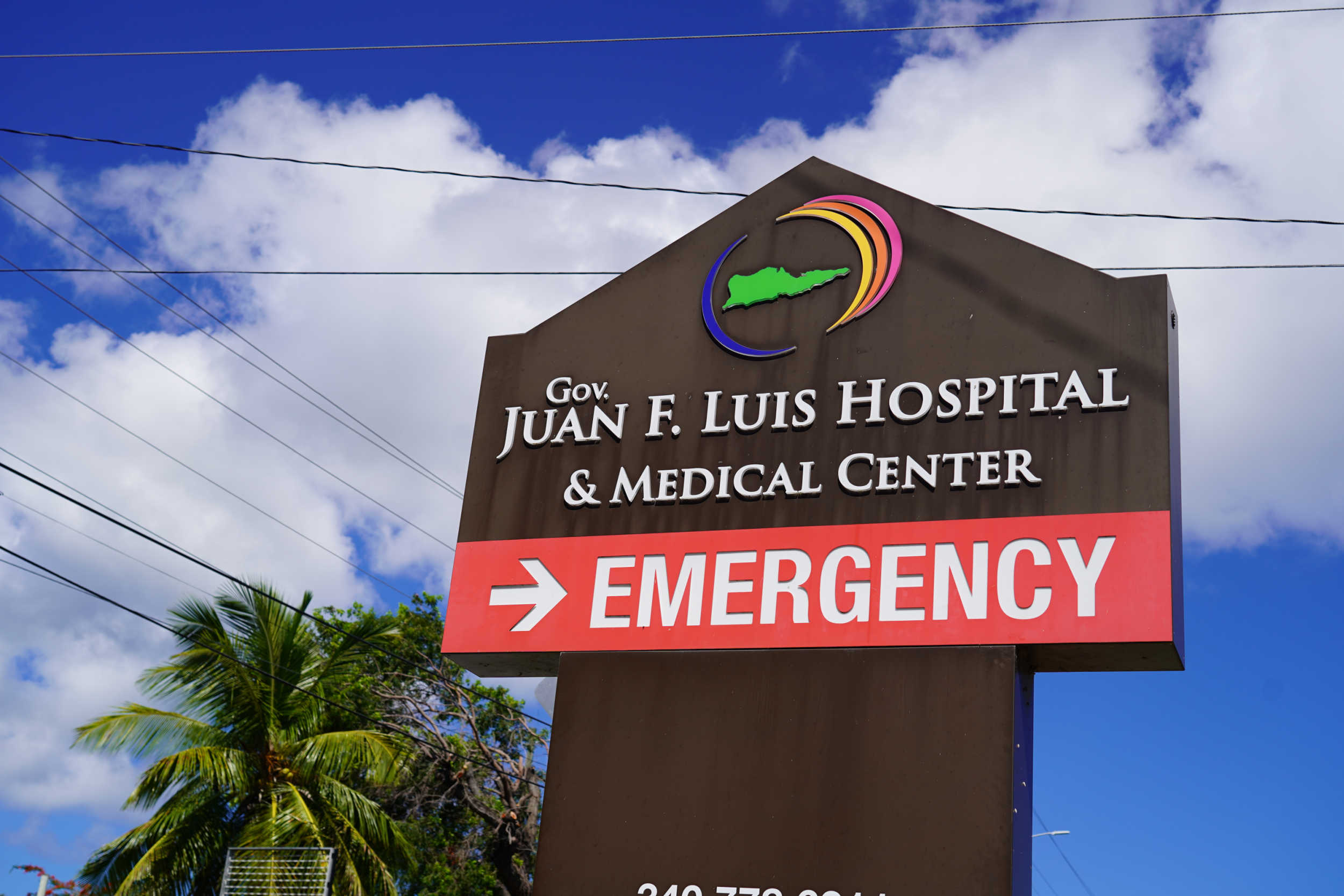
The Superior Court complaint names the Virgin Islands Government Hospitals and Health Facilities Corporation, Dr. John Perez, ProHealth Urgent Care, and unnamed doctors and nurses who treated Wayne Gonzales at the Governor Juan F. Luis Hospital.
According to the lawsuit, Mr. Gonzales first experienced unusual symptoms while riding his bicycle on June 15, 2025. He became unaware of his surroundings and suddenly forgot how to shift gears, but continued riding until he regained his awareness and stopped. At the time, he believed he was tired.
Two days later, Mr. Gonzales visited Dr. Perez at ProHealth Urgent Care. The physician allegedly ordered a CT scan and directed him to JFL’s emergency room, where he immediately sought the examination. The hospital reported a negative result, the complaint says.

Later that day, Mr. Gonzales allegedly began speaking incoherently, lost function on his right side and developed facial drooping. His family returned him to JFL, where a relative alerted medical personnel that he was experiencing stroke symptoms.
The complaint alleges he waited in the busy emergency room until approximately 2:30 a.m. the following morning, when another CT scan was performed, this time with contrast. That examination was also reported as negative.
Despite his worsening neurological condition, relatives were told that the hospital’s MRI machine was not operational, according to the lawsuit. The complaint alleges that further diagnostic evaluation and timely stroke treatment were necessary, but Mr. Gonzales was discharged with instructions to follow up with a neurologist.
His family returned him to Dr. Perez on June 19. By then, he was allegedly having difficulty walking and speaking, with pronounced drooping on the right side of his face.
The lawsuit claims Dr. Perez subsequently concluded that “there was nothing further to be done” because of the two negative CT scans. No MRI was ordered, according to the complaint.
After an unsuccessful attempt to arrange an MRI at a private facility on St. Croix, the family flew Mr. Gonzales to the mainland on June 21. An MRI there reportedly confirmed multiple strokes. The complaint alleges that opportunities for treatment to prevent lasting damage had been missed by that point.
Mr. Gonzales now experiences aphasia and apraxia and has limited function on the right side of his body, according to the lawsuit. The plaintiffs attribute those impairments to negligent acts and omissions by the defendants.
The complaint specifically alleges that Mr. Gonzales did not receive tissue plasminogen activator, or tPA, a clot-dissolving stroke treatment. Whether he qualified for that treatment at a particular visit requires assessment of his clinical circumstances, including when symptoms began. Stroke guidance applicable during the period described in the lawsuit provided for treatment within 4.5 hours of the last-known-normal time in selected eligible patients; an MRI was not universally required before treatment.
The allegations also come amid separately documented concerns about MRI access at JFL. The Consortium recently reported that a federal funding request describes the hospital as lacking an on-site MRI scanner, requiring patients to obtain examinations at a private facility elsewhere on St. Croix. That funding request does not establish what occurred during Mr. Gonzales’s treatment.

The plaintiffs seek compensatory and punitive damages following a trial. The allegations have not been adjudicated.