
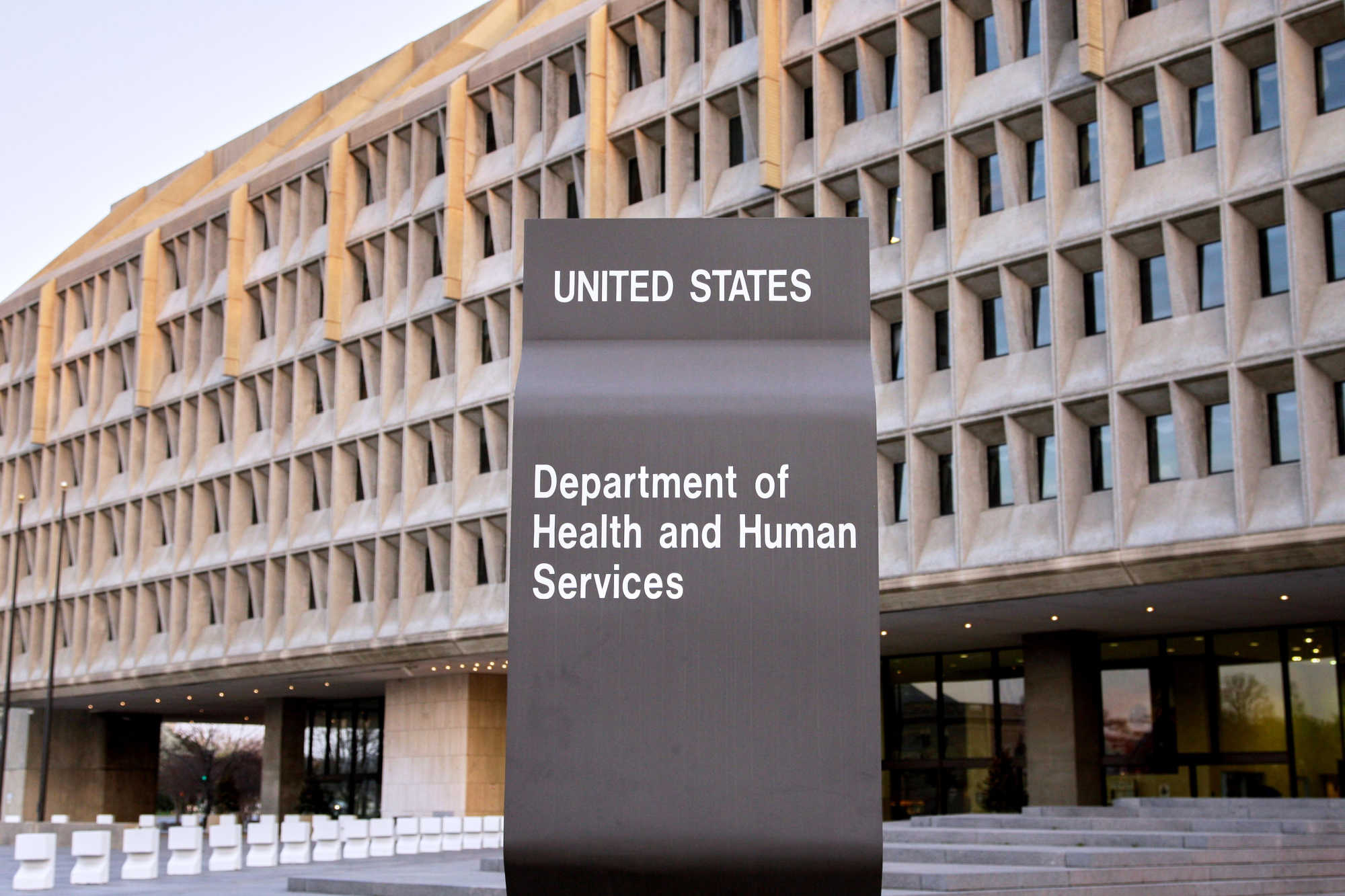
The U.S. Virgin Islands will retain its 83 percent federal Medicaid matching rate through fiscal year 2028, while Puerto Rico faces a substantial reduction in federal support for its Medicaid program, according to new rates published Monday by the U.S. Department of Health and Human Services.

The November 23 Federal Register notice establishes the federal matching percentages for Medicaid and the Children's Health Insurance Program for the fiscal year beginning October 1, 2027, and ending September 30, 2028.
Under the new tables, the Virgin Islands will retain an 83 percent Federal Medical Assistance Percentage, or FMAP, meaning Washington generally covers $83 of every $100 in qualifying Medicaid medical expenditures, with the territorial government responsible for the remaining $17, subject to federal funding limits and other program requirements.
The territory will also retain an 85 percent enhanced federal matching rate for eligible Children's Health Insurance Program expenditures.
Puerto Rico, however, is scheduled to see its Medicaid matching rate fall from 76 percent to 55 percent on October 1, 2027, when a temporary funding provision enacted by Congress expires.
That represents a 21-percentage-point reduction in the federal share of eligible Medicaid costs. Puerto Rico's corresponding local share would rise from 24 percent to 45 percent under the standard matching formula.
Its enhanced federal matching rate for children's health insurance is also scheduled to fall, from 83.2 percent to 68.5 percent.
The reductions will take effect under existing federal law unless Congress approves an extension or other legislative changes before the deadline.
Why the Virgin Islands Maintains its Higher Rate
The difference between the two territories originates in the Consolidated Appropriations Act of 2023, signed into law in December 2022.
That legislation permanently established an 83 percent Medicaid matching rate for the U.S. Virgin Islands, Guam, American Samoa and the Northern Mariana Islands.
Puerto Rico received a temporary extension of its 76 percent rate through September 30, 2027, after which its federal contribution is scheduled to return to the statutory 55 percent level.
The Consortium reported when Congress reached the agreement in December 2022 that making the Virgin Islands' higher matching rate permanent removed the recurring threat of a reduction in federal reimbursement that had created uncertainty for the territory's healthcare system.
The new HHS notice confirms that the arrangement remains in place for FY2028.
The federal government has also maintained a separate funding structure for territorial Medicaid programs, which, unlike programs in the 50 states and Washington, D.C., remain subject to annual federal spending caps.
Consequently, the 83 percent match does not guarantee unlimited federal reimbursement. The amount the Virgin Islands can ultimately receive depends on eligible expenditures, available federal allocations and compliance with program rules.
Federal Medicaid Support Remains Critical to USVI Healthcare
The matching rate plays an important role in financing healthcare for eligible Virgin Islanders, including low-income families, children, seniors and people with disabilities.
Medicaid helps pay for services delivered by hospitals, physicians, clinics, pharmacies and other participating healthcare providers.
In October, The Consortium reported that the Centers for Medicare & Medicaid Services had authorized approximately $170.97 million in federal Medicaid funding for the Virgin Islands for FY2027.
That amount included $147.3 million for the territory's primary Medicaid award and another $23.68 million across eligibility, administrative, information technology and related Medicaid categories.
Those authorizations concern the current fiscal year and are separate from the newly published FY2028 matching percentages, which do not establish a specific new dollar allocation for the territory.
The November 23 notice also reinforces the different financial circumstances facing Puerto Rico. According to the Congressional Research Service, existing law provides for both a reduction in Puerto Rico's Medicaid matching rate and a decrease in its annual federal capped funding beginning in FY2028.
For the Virgin Islands, the 83 percent rate provides continuity in the federal government's share of eligible healthcare costs, although the territory must still supply its required local match and operate within applicable funding limits.

For Puerto Rico, the approaching September 30, 2027, expiration creates another federal funding deadline, with Congress having less than a year to determine whether the island's existing Medicaid financing arrangements will be extended.