




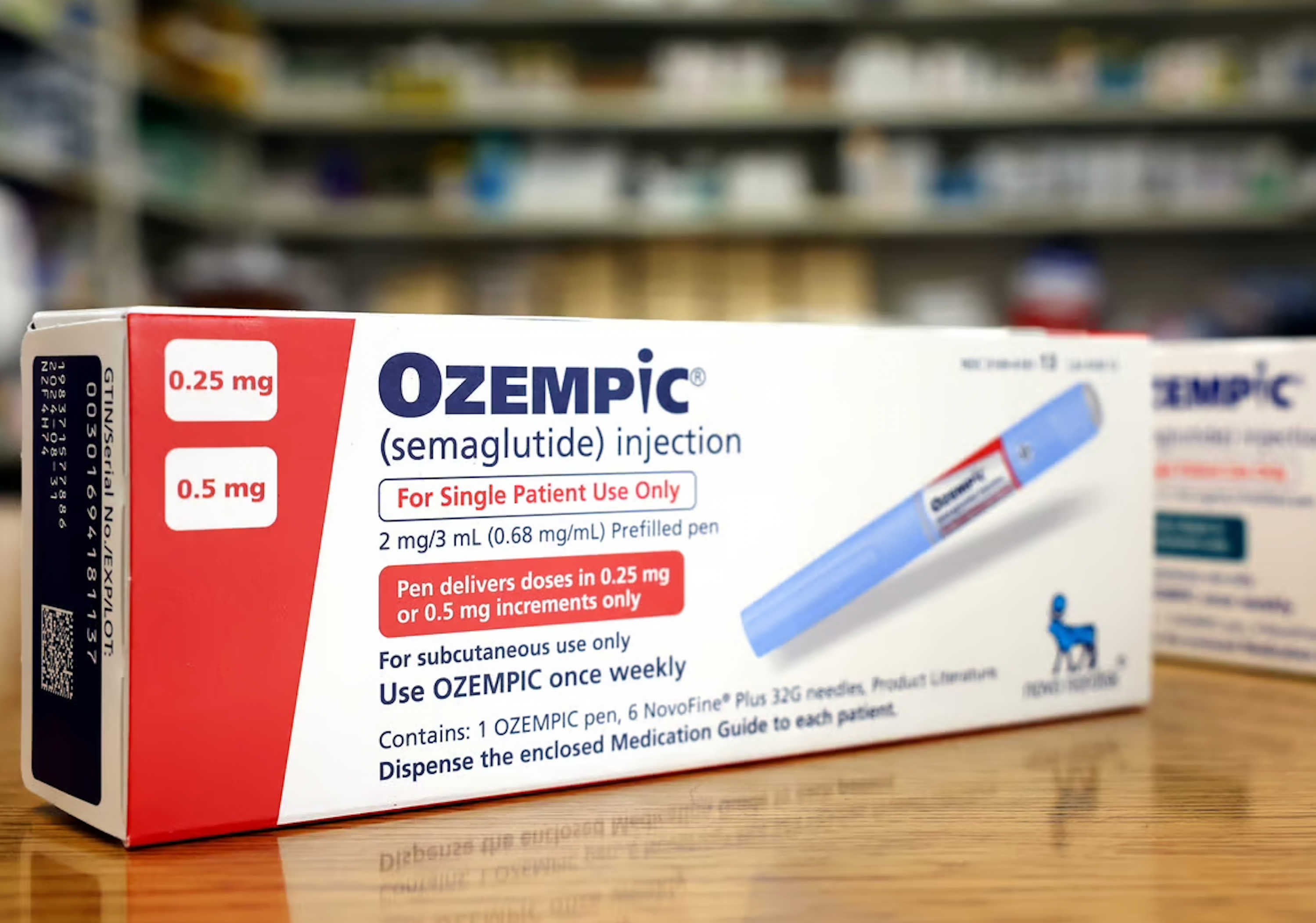
Attorney General Gordon C. Rhea has joined forces with 38 state and territorial attorneys general in a bipartisan push urging the U.S. Food and Drug Administration to take swift action against the distribution of counterfeit versions of popular weight loss and diabetes medications, including Mounjaro, Zepbound, Ozempic, and Wegovy. These medications, classified as GLP-1 receptor agonists, have become highly sought after, creating a lucrative but dangerous market for illicit sellers.

In a formal letter addressed to Acting FDA Commissioner Sara Brenner, the coalition of attorneys general highlighted the increasing availability of unregulated and counterfeit GLP-1 drugs that are being illegally marketed and sold to consumers, often without prescriptions. These fraudulent products, many of which originate from unverified sources in China, Turkey, and India, pose significant health risks, including contamination, improper dosages, and the inclusion of foreign substances.
“Counterfeit and unregulated drugs pose a serious risk to public health, and it is crucial that the FDA take immediate action to protect consumers,” said Attorney General Rhea. “We must hold those responsible for distributing these dangerous substances accountable and ensure that all drugs are produced and sold safely and legally.”
The letter details how online sellers are exploiting demand for GLP-1 drugs by selling their active ingredients under misleading labels such as “for research purposes only” or “not for human consumption.” In reality, these substances are being marketed directly to consumers via social media platforms, often as a cheaper and more accessible alternative to obtaining a legitimate prescription.
The rise of counterfeit GLP-1 drugs has been linked to a growing number of serious health incidents, including overdoses and hospitalizations. According to the letter, some illicit products have been found to contain dangerously high doses of active ingredients, while others have been revealed to be completely different medications repackaged to resemble FDA-approved treatments. In some cases, scammers have even relabeled insulin vials and sold them as Ozempic.
A report by the National Association of Boards of Pharmacy highlighted the dangers posed by these unauthorized sellers, warning that many consumers lack the knowledge and proper tools to safely prepare and administer medications derived from raw ingredients. Errors in self-dosing have contributed to a surge in reported semaglutide overdoses, raising concerns among medical professionals and regulators alike.
The coalition is calling for enhanced collaboration between the FDA and state pharmacy boards to ensure that compounded versions of GLP-1 drugs are produced under strict safety standards. While compounding pharmacies play a legitimate role in addressing drug shortages, some have been found to cut corners, leading to contaminated products. The letter references past FDA investigations into compounding pharmacies that resulted in serious adverse health events, including a fungal meningitis outbreak linked to tainted injectable drugs that caused 60 deaths and over 750 infections.
The bipartisan effort was co-led by the attorneys general of South Carolina, Colorado, Illinois, and Tennessee and included participation from attorneys general across 34 additional states and territories, including Alaska, California, New York, Georgia, Pennsylvania, and Washington, D.C.
With counterfeit drugs infiltrating the market and unregulated sellers preying on vulnerable consumers, the letter urges the FDA to intensify its enforcement actions, increase oversight of compounding pharmacies, and work closely with federal agencies such as the Department of Homeland Security to intercept counterfeit shipments before they reach the public.
“The FDA is uniquely positioned to lead the campaign against these dangerous counterfeit drugs,” the attorneys general wrote. “We urge the agency to exercise its full statutory authority through investigations, inspections, and enforcement actions to safeguard consumers from these deceptive and hazardous practices.”

As demand for GLP-1 medications continues to grow, authorities remain vigilant in their efforts to ensure that consumers have access to safe and legitimate treatments. The full letter to the FDA, signed by Attorney General Rhea and his counterparts from across the country, underscores the urgent need for action to curb the spread of counterfeit pharmaceuticals and protect public health.